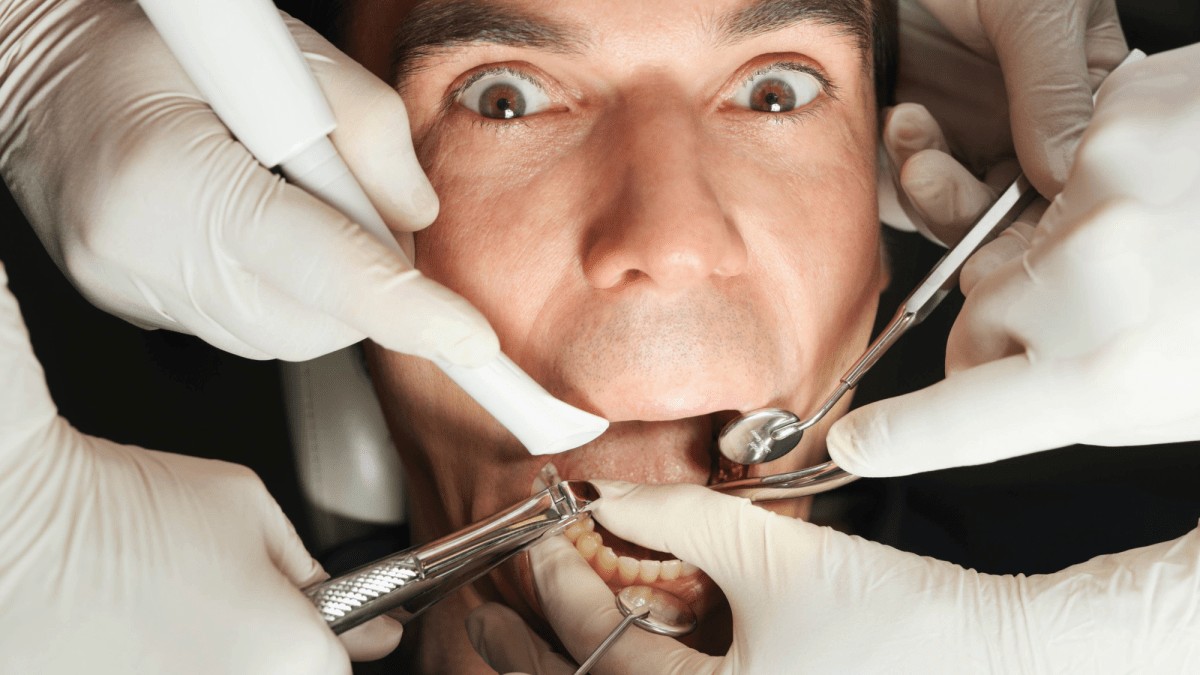
Dental anxiety is a significant barrier to oral health for 15-20% of adults, preventing many from seeking regular check-ups. A key contributor to this fear? The high-pitched, piercing sound of dental drills. Now, researchers are working to make these tools quieter—and more psychologically tolerable—through advanced simulations and blade redesigns.
The Problem with Dental Drill Noise
The characteristic screech of a dental drill isn’t just unpleasant; it actively triggers anxiety in patients. Dr. Tomomi Yamada, a dentist and professor at the University of Osaka, noticed this firsthand, even in her own child. The problem isn’t merely about loudness, but the quality of the sound itself. High frequencies are perceived as more intense and frightening, particularly by children, who experience them differently than adults.
How Researchers are Tackling the Issue
Yamada’s team utilized Japan’s supercomputing infrastructure to conduct detailed aeroacoustic simulations of dental drills. These drills operate at extremely high speeds—around 320,000 revolutions per minute, with internal airflow reaching up to 135 meters per second (Mach 0.4 or about 306 miles per hour). The simulations revealed how airflow creates the signature unpleasant noise.
Instead of simply reducing volume, the team is focusing on optimizing blade geometry and exhaust port design to alter the sound’s characteristics. The goal is to make the noise less piercing while preserving the tool’s functionality. Eliminating the sound entirely is impractical, as it acts as a safety cue for patients.
The Psychology of Sound
The research isn’t just mechanical; it’s also “human-centered”. Yamada’s team tested how different age groups perceive the drill’s sound. Their findings confirm that children genuinely experience high-frequency noise as louder and more distressing, debunking the idea that their discomfort is merely imagined.
What’s Next?
The researchers are now collaborating with manufacturers to develop working prototypes. The long-term vision extends beyond noise reduction to include a more calming sound design. The ultimate goal: to encourage regular dental care by making the experience less stressful, thereby improving oral health and overall longevity.
By addressing both the mechanics and the psychological impact of dental drills, this research has the potential to make a real difference in patient comfort and oral health outcomes.