Scientific American has released its first-ever lists of best fiction and nonfiction books for science-minded readers, expanding on its popular staff-favorites selections. The selections were curated by associate books editor Bri Kane, who emphasizes the importance of exceptional writing, compelling stories, and a strong connection to scientific themes.
Nonfiction Highlights: Climate Change and “Forever Chemicals”
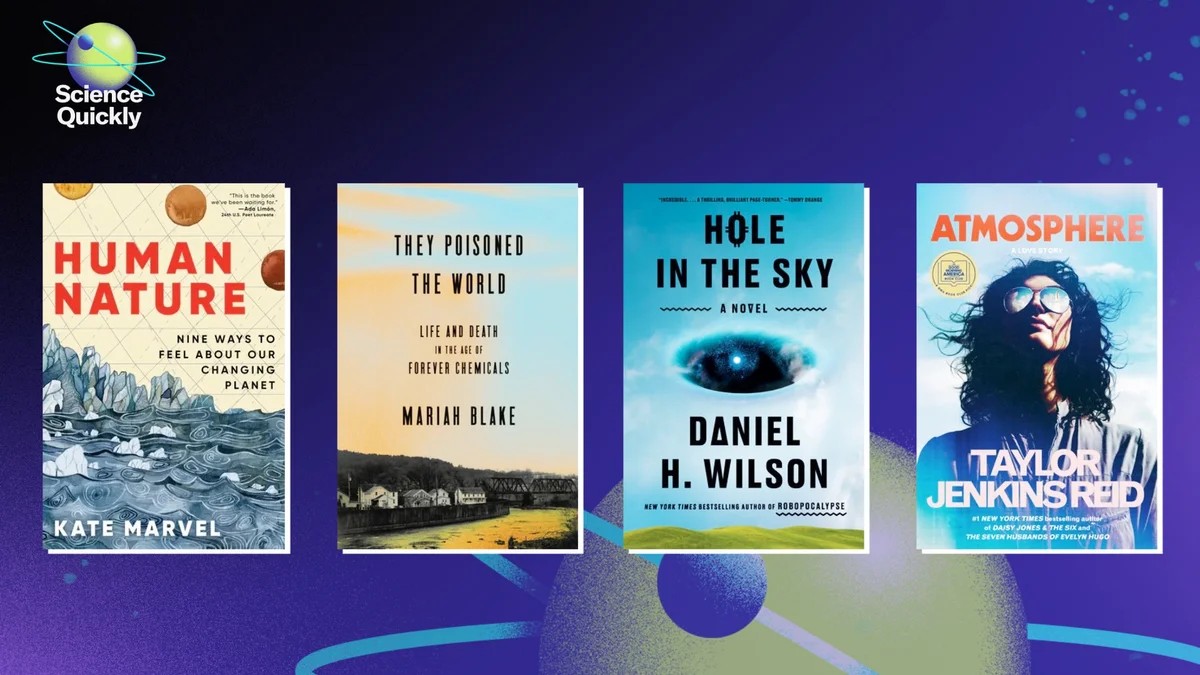
Two nonfiction titles stand out for their impact and storytelling. Kate Marvel’s Human Nature provides a visceral, emotionally resonant examination of climate change. Unlike many depressing climate books, Human Nature blends scientific rigor with literary and historical context, leaving readers both disturbed and galvanized. The book connects current climate catastrophes with broader human history, acknowledging the anger, sadness, and fragile hope that accompany environmental crises.
Another standout is Mariah Blake’s They Poisoned the World , an exposé on PFAS (“forever chemicals”) contaminating communities across the United States. The book details the devastating health impacts of these ubiquitous chemicals—found in everything from food containers to waterproof jackets—and the corporations responsible for their widespread presence. Blake’s reporting, based on hundreds of interviews, paints a grim but essential picture of environmental contamination and corporate negligence. The work isn’t simply alarming; it demands attention and action.
Fiction Picks: Alien Contact and Space Romance
The fiction selections offer fresh perspectives on established sci-fi tropes. Daniel H. Wilson’s Hole in the Sky reimagines the “first contact” narrative through the lens of a Cherokee reservation in Oklahoma, challenging Western-centric assumptions about alien encounters. The novel explores themes of cultural identity, generational trauma, and the complexities of encountering the unknown.
Meanwhile, Taylor Jenkins Reid’s Atmosphere delivers a compelling space romance, portraying the lives and loves of people within NASA. The book, praised by former space reporters, offers a relatable and emotionally resonant take on human connection in extraordinary circumstances. It demonstrates that even in the vastness of space, love, ambition, and everyday life persist.
The Selection Process
Kane’s team prioritized books with exceptional writing and compelling narratives, ensuring each title had a strong scientific core. The goal was to find stories that would resonate with science enthusiasts and spark meaningful conversations. The selected titles were those that stayed with the editors long after they finished reading, prompting continued discussion and debate.
The full lists, including staff favorites, are available online this week. These selections offer a blend of intellectual stimulation, emotional depth, and urgent relevance, making them essential reads for anyone interested in science, society, and the human condition.