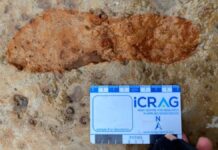
Researchers have uncovered remarkable evidence of cheetahs roaming the Arabian Peninsula for millennia, with the discovery of 61 naturally mummified and skeletal remains hidden in caves across northern Saudi Arabia. This finding, detailed in a new study published in Communication Earth & Environment, confirms that cheetahs inhabited the region as recently as 130 years ago, and as far back as 4,000 years before their disappearance between 49 and 188 years ago.
A Millennia-Long Presence
The remains include seven naturally mummified cheetahs, preserved by the arid desert climate, alongside skeletal remains. Carbon dating revealed the oldest specimens lived around 4,000 years ago, while the most recent died approximately 130 years ago. This long-term presence contradicts assumptions about the cats’ recent arrival in the area.
Genetic Shifts Over Time
Genetic analysis of three mummified specimens revealed a surprising shift in subspecies over the centuries. Older remains showed closer ties to the Northwest African cheetah, while more recent samples aligned with the critically endangered Asiatic cheetah, now primarily found in Iran.
“It was a big surprise,” says Ahmed Boug, lead author of the study and general director of the National Center for Wildlife in Riyadh. “There appears to have been a change in what subpopulation was present or dominant in the region over time.”
This suggests that the dominant cheetah population in Arabia wasn’t static, but rather experienced shifts in genetic makeup over time. The exact reasons for this remain unclear, but the data points to dynamic changes rather than consistent coexistence of subspecies.
Human Impact and Rewilding Efforts
The study doesn’t attribute the cheetahs’ disappearance to climate change, given the region’s historically harsh conditions. Instead, researchers believe human pressures – including poaching and habitat encroachment from industry and residential development – drove the decline.
The findings have significant implications for ongoing rewilding efforts in Saudi Arabia, including potential cheetah reintroduction programs. Understanding the historical genetic diversity of cheetahs in the region will be critical for sourcing and integrating new populations, ensuring a richer and more resilient gene pool.
The discovery underscores the importance of preserving natural habitats and mitigating human-wildlife conflict to prevent future extinctions. The Arabian Peninsula’s history with cheetahs demonstrates that even resilient species can disappear under pressure, but also offers a path toward restoration if informed by robust scientific evidence.