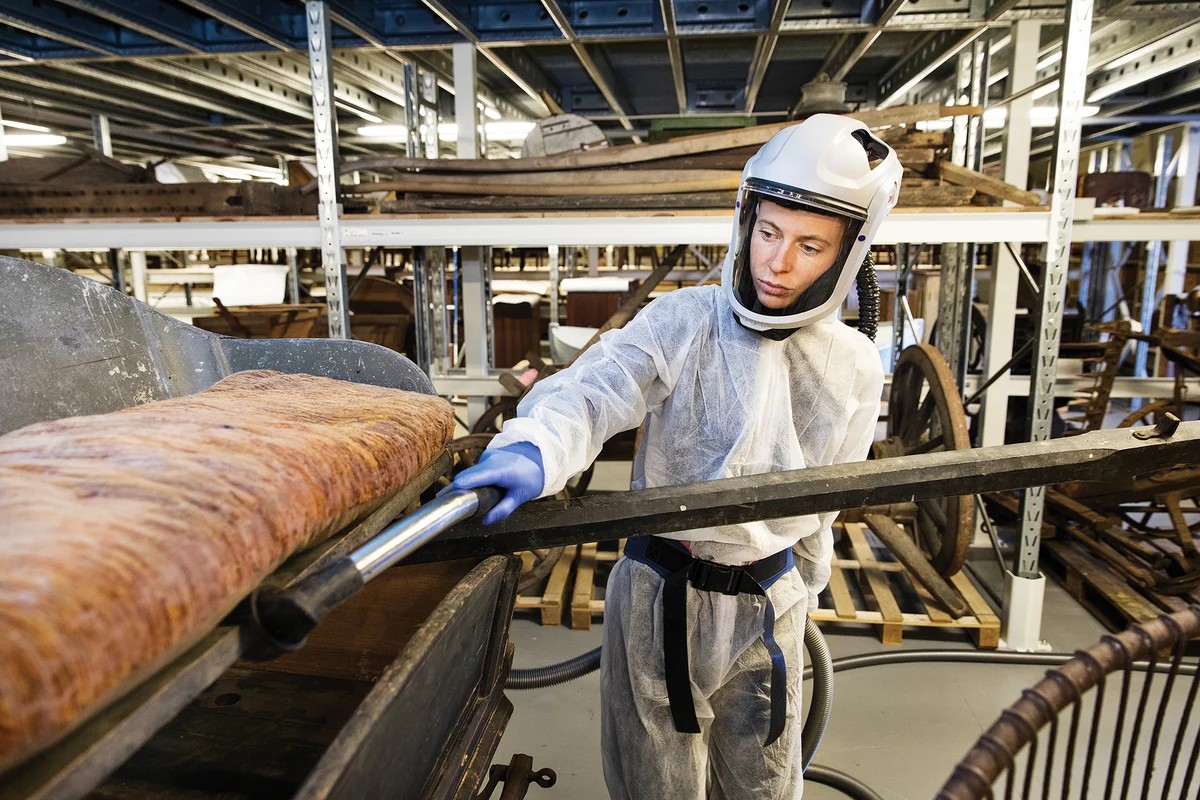
A new and insidious threat is emerging in the world of art and artifact preservation: extremophile molds. Unlike traditional fungi that thrive in damp conditions, these xerophilic species flourish in dry environments, exploiting climate control measures designed to protect collections and turning them into ideal breeding grounds. Museums across Europe and beyond are quietly battling infestations that defy conventional methods, with institutions hesitant to acknowledge the problem due to fears of funding cuts and reputational damage.
The Silent Scourge
For decades, curators have relied on humidity control to safeguard artifacts from decay. However, researchers are discovering that these very same measures may be fostering a different kind of fungal invasion. Xerophilic molds, adapted to harsh conditions such as deserts and volcanic landscapes, are now consuming cultural heritage materials – from canvas paintings and wooden furniture to tapestries and even marble statues. These organisms don’t just feed on organic matter; they can extract nutrients from dust accumulation on surfaces, making them virtually undetectable until significant damage occurs.
Institutional Silence and Cover-Ups
The problem is compounded by a culture of secrecy within the museum world. Institutions often suppress reports of infestations to avoid negative publicity, with conservation teams sworn to confidentiality. A survey conducted by the author revealed that many major museums – including the Louvre, the British Museum, and even the Vatican Museum – either ignored inquiries or provided evasive responses. This silence stems from a fear that admitting to mold problems will jeopardize funding and exhibition opportunities.
How Xerophiles Exploit Conservation Efforts
These molds, particularly those within the Aspergillus section restricti group, thrive in low-humidity conditions that would kill most other fungi. They create their own microclimates by absorbing moisture from salt crystals, effectively turning arid environments into oases for fungal growth. Airtight storage systems, like compactus shelving units, exacerbate the problem by trapping these organisms in self-sustaining ecosystems.
Case Studies: From Denmark to Kyiv
Instances of xerophilic mold infestations have been documented in multiple institutions:
- Denmark: Roskilde Museum conservators discovered white, shimmering patches on textiles that resisted conventional testing but were later identified as Aspergillus species. Staff developed flulike symptoms after exposure.
- Italy: Ancient libraries in Rome, Genoa, and Modena experienced infestations on manuscripts, with the molds surviving in climate-controlled compactus shelving.
- Ukraine: Frescoes in St. Sophia’s Cathedral in Kyiv developed brown blotches despite decades of climate control, baffling researchers until molecular analysis confirmed the presence of xerophilic fungi.
The Role of Climate Change
Global warming is accelerating the spread of these extremophile molds. While some regions become wetter, others are drying out, pushing more species into survival mode. As museums tighten climate controls in response to erratic weather patterns, they inadvertently create the perfect conditions for these hardy fungi to colonize collections.
The Future of Preservation
The race is on to understand the limits of xerophilic life and identify the most vulnerable artifacts before further damage occurs. Researchers are developing new testing methods and fungal media to detect these molds, but the challenge remains: how to protect cultural heritage from organisms that thrive where they shouldn’t. Museums must confront this emerging threat openly and collaborate with mycologists to adapt preservation strategies before more of our shared history is lost.
The implications are clear: traditional conservation techniques are no longer sufficient. A proactive, science-driven approach is crucial to safeguard our cultural legacy from these relentless, adaptable invaders.