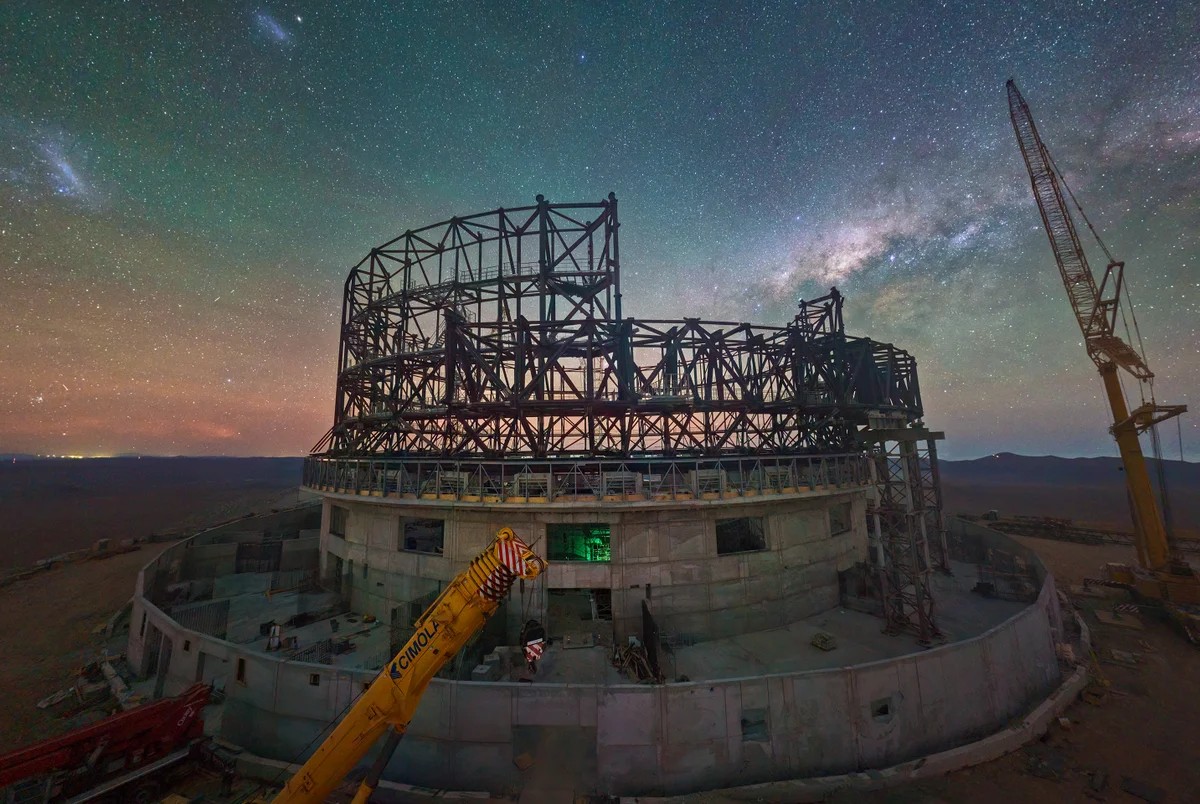
Astronomers worldwide have achieved a significant win in preserving optimal conditions for ground-based observation. AES Andes, a subsidiary of AES Corporation, has abandoned plans for a large-scale renewable energy project in Chile’s Atacama Desert, a region renowned for its exceptionally clear and dark skies. The proposed facility, known as INNA (Integrated Energy Infrastructure Project for the Generation of Hydrogen and Green Ammonia), had raised alarms among scientists due to the potential for severe light pollution and atmospheric interference near key observatories, including the European Southern Observatory’s (ESO) Paranal Observatory.
The Threat to Astronomical Research
The Atacama Desert hosts some of the world’s most important telescopes, which depend on pristine viewing conditions. ESO studies predicted that INNA would increase light pollution by at least 35% at the Very Large Telescope, a crucial facility for cutting-edge research. The project also threatened to introduce atmospheric turbulence, degrading image quality.
The conflict escalated in early 2025, with astronomers such as María Teresa Ruiz of the University of Chile launching a letter-writing campaign to raise awareness. Nobel laureate Reinhard Genzel further intervened, directly appealing to Chilean authorities and even raising the issue with German President Frank-Walter Steinmeier during a visit to Paranal Observatory.
Political Shift and Project Abandonment
The turning point came with the election of Chile’s new right-wing president, José Antonio Kast, who openly supported protecting the skies for astronomy. This stance proved decisive, and AES Andes announced on January 23 that it would abandon the project following a detailed analysis. While the formal withdrawal from Chile’s environmental assessment system is still pending, the decision marks a major victory for the astronomical community.
Ongoing Battles for Dark Skies
Despite this success, astronomers recognize that the fight for dark skies is far from over. Ruiz and others are pushing for permanent legislation to protect astronomical sites across Chile, including those hosting the U.S.’s Vera C. Rubin Observatory.
The struggle highlights broader challenges facing astronomy, including conflicts over the Thirty Meter Telescope (TMT) in Hawaii and the proliferation of satellite mega-constellations such as SpaceX’s Starlink. The TMT project has faced over a decade of opposition from local groups, leading to costly delays and potential relocation to Spain. Similarly, thousands of satellites now orbit Earth, causing streaks across astronomical images—a problem that may soon become unmanageable.
“If the battle for Earth’s dark skies is ever to be won, it’ll take more than just pressure from astronomers. Ultimately, the issue demands politicians who actually have respect for basic research,” says Reinhard Genzel.
The preservation of dark skies requires not only scientific advocacy but also robust political support and a willingness to engage with local communities. Without such efforts, the future of ground-based astronomy may remain uncertain.