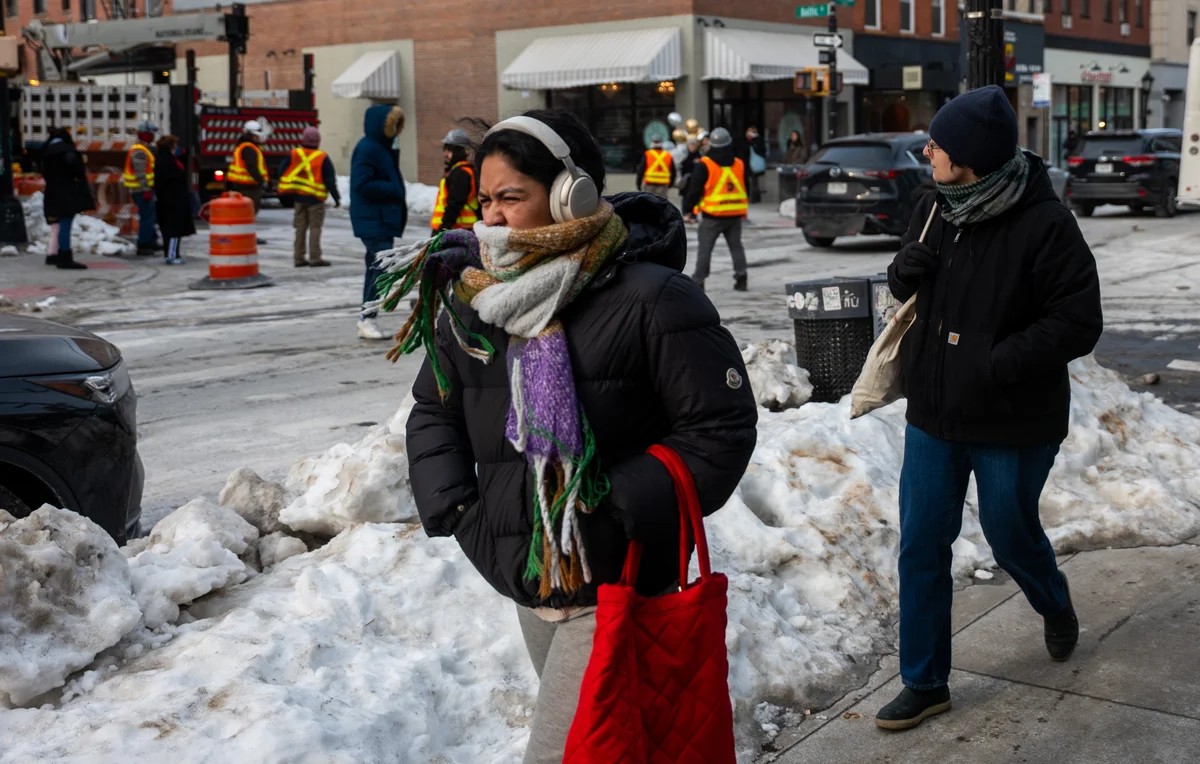
The United States is experiencing a bizarre winter split: brutal cold gripping the East while record warmth dominates the West. This isn’t random; it’s the result of a disrupted atmospheric pattern that’s about to reverse, shifting weather fortunes across the country.
The Polar Vortex and Its Weakening Grip
The key to understanding this lies in the polar vortex, a swirling mass of frigid air confined to the Arctic. When this vortex weakens, its circular flow becomes wavier. Imagine a river bending sharply instead of flowing straight – that’s what happens when the vortex loses strength. These bends dictate where cold air plunges southward and where warm air surges northward.
The current setup amplifies existing geographic factors. The Rocky Mountains and the Pacific Ocean’s presence encourage a ridge (warm air bend) over the West and a trough (cold air bend) over the East. This winter has seen an extreme version of that natural pattern.
Arctic Warming and Disrupted Patterns
While the weakening vortex contributes to these extremes, it’s complicated. The Arctic is warming rapidly, but this hasn’t eliminated cold air entirely. Instead, it makes extreme cold snaps more disruptive because fewer people are prepared for them. For many younger Americans, the recent cold snap was the coldest week of their lives, while those in the West have experienced the warmest winter on record.
Twenty-one percent of the U.S. had its warmest December-January period since 1940, highlighting how widespread this warmth has been. This isn’t just about comfort; it has consequences.
Delayed Impacts in the West
The West’s warm winter won’t go unnoticed. While the East deals with immediate disruptions like travel chaos and power outages, the West faces delayed but equally serious issues: increased drought risk, potential water shortages, and a higher likelihood of wildfires later in the year. The consequences of this unusual warmth will linger long after the temperature drops.
The Shift Is Coming
The current pattern is poised to break, with temperatures in the East rising and wetter, cooler conditions arriving in the West. This shift is likely triggered by subtle changes in tropical Pacific storm patterns that ripple through the atmosphere like falling dominoes. While welcome, any rain or snow won’t fully erase the existing deficits.
This winter’s stark contrast underscores how climate change isn’t just about warmer averages; it’s about increasingly extreme and unpredictable weather events. The disruption is not just physical but also societal, as infrastructure and communities struggle to adapt to these rapid shifts.