


The animal kingdom’s approach to reproduction often defies human notions of romance. While Valentine’s Day celebrates coupling, many species employ astonishing strategies to ensure their genes survive. From multiple fathers to queen dominance and mass spawning, nature’s methods are far from conventional. Here’s a look at four examples that highlight the diversity of breeding behaviors in the wild.
Two Dads Are Better Than One: Sloth Bear Paternity
Sloth bears (Melursus ursinus ), native to the Indian subcontinent and currently classified as Vulnerable, display a unique mating dynamic. These intelligent bears – described by experts as “apes in a bear suit” due to their cognitive abilities – sometimes breed with multiple males in quick succession.
If a female mates with more than one male, her cubs may have different fathers. The Smithsonian National Zoo recently documented this in a litter of cubs born in December 2025, with DNA testing underway to determine paternity. Sloth bear mothers also uniquely carry their cubs on their backs, providing both protection and efficient foraging. This piggyback system ensures the mother always knows where her offspring are, a necessity given the species’ vulnerability.
The Ruthless Efficiency of Naked Mole-Rat Colonies
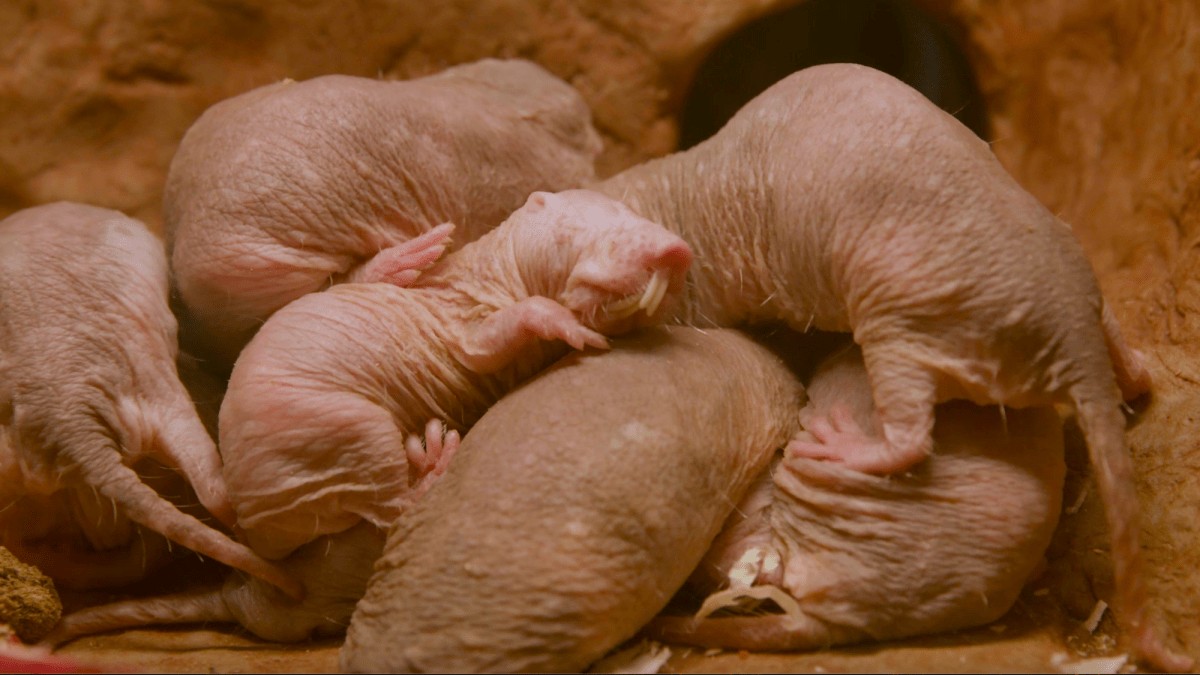
Naked mole-rats (Heterocephalus glaber ) live in eusocial colonies, similar to ants or bees. In these underground societies, the queen reigns supreme, breeding with select males while suppressing the reproductive development of other females through hormonal control, and even physical dominance.
This queen can produce litters of over 30 pups at a time, feeding them from her twelve nipples. She may even fight off rivals to maintain her breeding status. Unusually, these rodents rarely leave their birth colony, leading to inbreeding – queens sometimes mate with their own brothers, or even sons, if she lives long enough. The colony’s survival takes priority over individual independence.
Den Masters: The Territorial Breeding of Japanese Giant Salamanders
Japanese giant salamanders (Andrias japonicus ) can grow up to 5 feet long and weigh over 50 pounds, making them the largest amphibians in the world besides the Chinese giant salamander. Their breeding strategy hinges on territorial dominance.
During breeding season, the largest and most aggressive male occupies a den with a single underwater entrance, becoming the “Den Master”. Multiple females enter to lay up to 600 eggs, which the male fertilizes externally. Critically, the male provides parental care, protecting the eggs from predators and fanning them with his tail for oxygen over a 2–3 month period.
Coral: The Mass Spawning Gamble
Coral reproduction is unlike any other, with over 6,000 species participating in an annual “broadcast spawning” event. Corals release massive clouds of sperm and eggs into the water, relying on chance for fertilization.
This method maximizes genetic diversity, aiding adaptation to disease and environmental stress. However, it’s highly sensitive to conditions: even slight temperature shifts can disrupt synchronization, drastically reducing success. Corals also reproduce asexually year-round via budding, ensuring survival even when sexual reproduction fails.
These four examples demonstrate the diverse and often surprising strategies animals use to reproduce. From cooperative care to ruthless dominance, the natural world prioritizes survival above all else.


