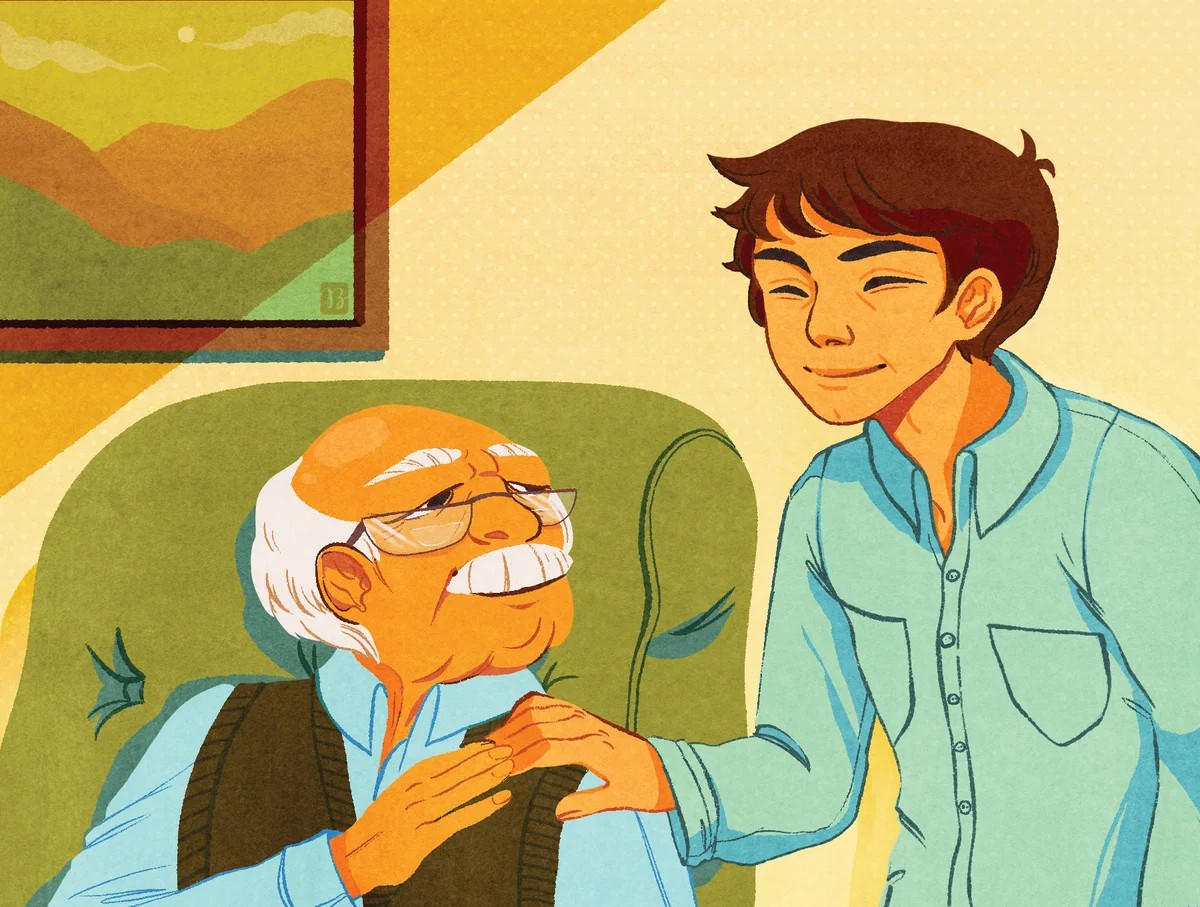
Roughly one in five American adults now provides care for a chronically ill or disabled loved one, often an elderly relative. While the emotional strain is well-known, research shows family caregivers face a significantly higher risk of physical illness and premature death. A 2024 CDC study found caregivers scored worse than non-caregivers on 13 out of 19 health indicators, confirming that chronic stress isn’t just mental – it breaks down the body.
The Biology of Burden
The root of the problem lies in how prolonged stress impairs the immune system. Pioneering work in psychoneuroimmunology from the 1980s and 1990s, notably by Janice Kiecolt-Glaser, demonstrated that caregivers heal slower from physical injuries. This isn’t just feeling tired; it’s measurable biological damage.
Caregivers also show signs of accelerated aging. Studies reveal faster shortening of telomeres (protective caps on chromosomes) and a decline in naive T cells – crucial immune reserves. This leaves them biologically older and more vulnerable to illness, including conditions like diabetes, asthma, and obesity. The combined effect of stress and inflammation leads to what researchers call inflammaging, a process where chronic inflammation drives age-related bodily damage.
The Emerging Response: Resilience and Support
For years, caregivers were left to fend for themselves. Now, scientists are applying insights into stress adaptation to develop targeted support. Psychologist Elissa Epel emphasizes that caregiving itself isn’t a death sentence; resilience factors matter. Innovative programs are being replicated nationally, and in 2024, the Centers for Medicaid and Medicare Services adopted policies to help physicians train families in direct care.
One promising approach is cognitive training. A 2025 trial by Kathi Heffner found that caregivers who engaged in brain-training games for eight weeks showed improved processing speed and attention, reporting less distress from their loved one’s challenges a year later.
The Path Forward
The burden on caregivers often grows heavier over time, especially with progressive conditions like cancer or dementia. While reducing workload remains vital, the focus is shifting toward strengthening resilience.
If we can increase caregivers’ capacity to adapt to stress, it will yield better outcomes and a higher quality of life for those who provide this essential but often unrecognized labor. That’s a result worth prioritizing for everyone.