Type 1 diabetes is a chronic autoimmune condition where the body’s ability to regulate blood sugar breaks down. But what exactly happens inside the body when this occurs?
The Normal Energy Process
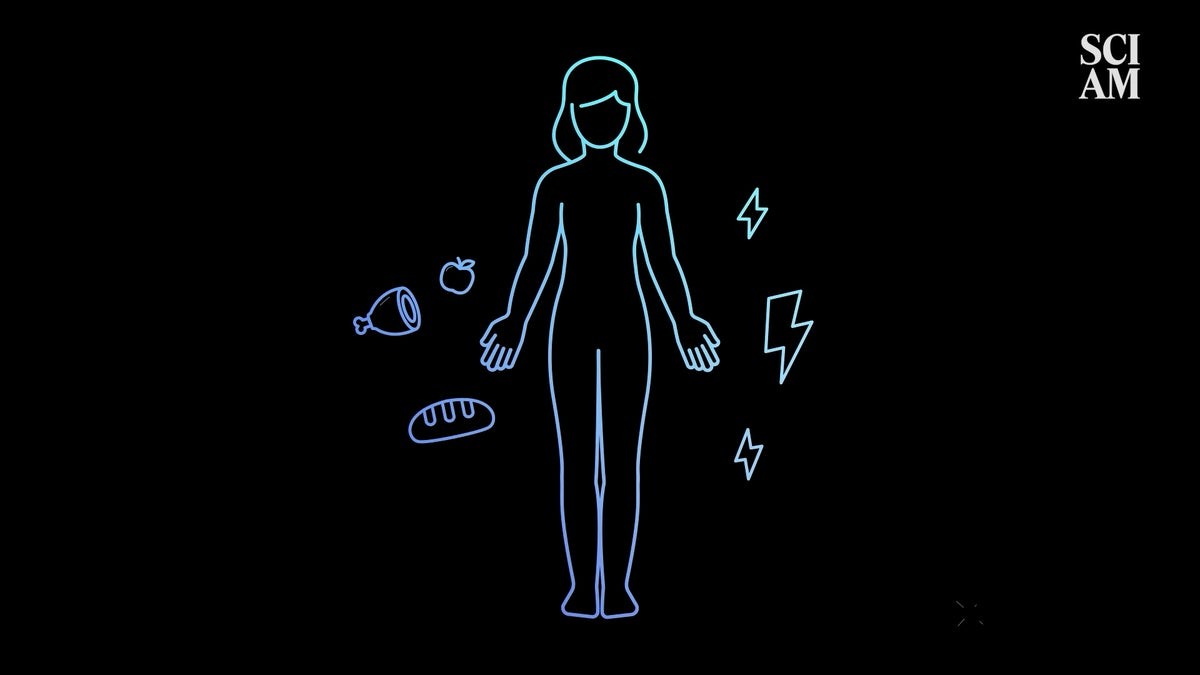
Normally, the body efficiently converts food into energy. When you eat, carbohydrates break down into glucose, which enters the bloodstream. The liver stores excess glucose as glycogen for later use. When the body needs energy, the liver converts glycogen back into glucose, sending it to cells.
Insulin is the key regulator in this process. Produced by the pancreas, this hormone acts like a gatekeeper, signaling cells to absorb glucose from the blood. Without insulin, glucose can’t enter cells efficiently, leading to a buildup in the bloodstream.
What Goes Wrong in Type 1 Diabetes
In type 1 diabetes, the body’s immune system mistakenly attacks and destroys the insulin-producing cells (beta cells) in the pancreas. This means the pancreas gradually or completely stops making insulin. As a result, glucose accumulates in the blood instead of fueling cells.
The exact trigger for this autoimmune response remains unknown. However, the consequences are clear: persistent high blood sugar (hyperglycemia). Over time, this can lead to fatigue, weakness, and severe long-term complications if left untreated.
Treatment and Future Prospects
For decades, medical technology has provided tools to manage type 1 diabetes. These include blood glucose meters for monitoring sugar levels and insulin pumps for delivering controlled doses of the hormone. While these advancements have greatly improved quality of life, they are not a cure.
Researchers continue to pursue a definitive cure – one that either restarts insulin production or eliminates the autoimmune attack altogether. Until then, effective management remains the primary goal.
Type 1 diabetes is a complex interplay of immune dysfunction and metabolic failure. Understanding this process is crucial for both those living with the condition and the scientists working towards a lasting solution.