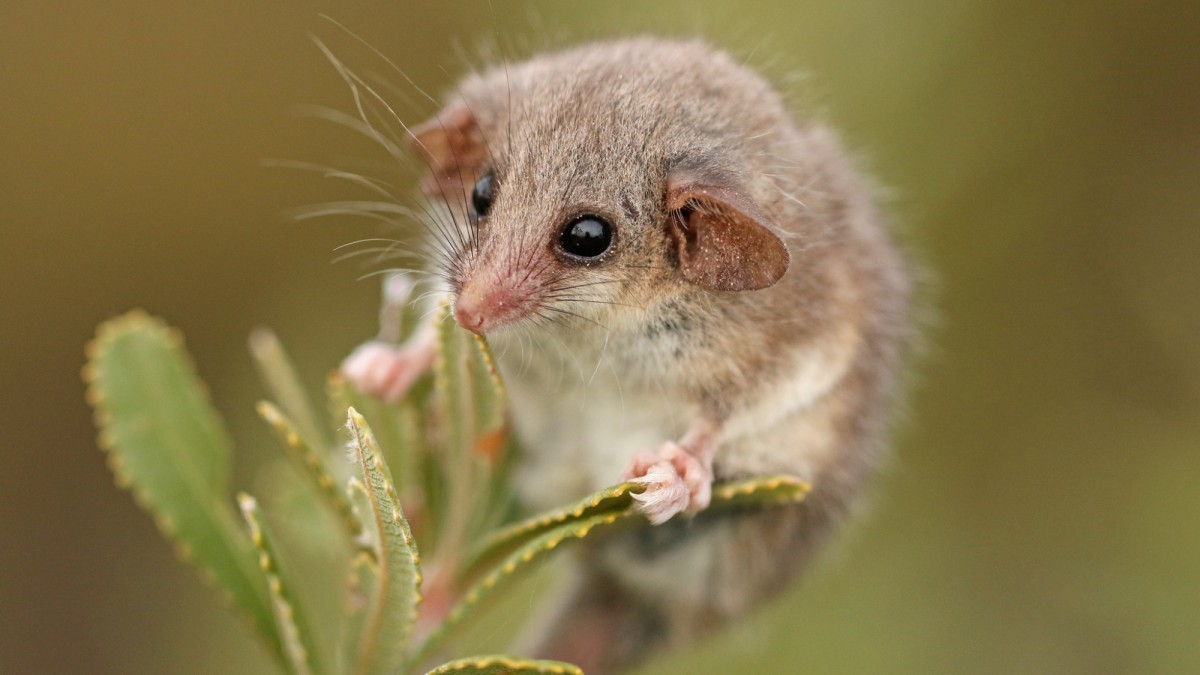
Researchers may have identified a previously unknown population of the little pygmy possum (Cercartetus lepidus ) in South Australia’s Dhilba Guuranda–Innes National Park. This discovery would extend the known range of the species, which currently exists only in Tasmania, Victoria, South Australia (Kangaroo Island), and China. The find is based on a re-analysis of wildlife camera images taken between 2004 and 2011.
Key Findings
The study, published in Australian Zoologist, highlights two animals photographed in 2006 exhibiting characteristics distinct from the more common western pygmy possum (Cercartetus concinnus ). Specifically, the creatures displayed grey ventral fur—a trait of the little pygmy possum—rather than the white ventral fur seen in western pygmy possums. Initial misidentification of the animals as juveniles obscured their unique features.
The significance lies in the geographical isolation: the Yorke Peninsula population would be over 120 miles from the nearest confirmed population on Kangaroo Island, separated by the St. Vincent Gulf. This suggests a long-term isolation, potentially dating back thousands of years when rising sea levels severed land connections.
Why This Matters
The discovery underscores the importance of preserving remaining habitats. The Yorke Peninsula has lost over 87% of its original native vegetation, with only 13% remaining, most within the Dhilba Guuranda–Innes National Park. The little pygmy possum, weighing less than one pound, is already rare, and habitat fragmentation poses a severe threat to its survival.
Conservation Concerns
The researchers emphasize the urgency of verifying the population’s current status. Frequent prescribed burns—intended to prevent wildfires and support Indigenous cultural practices—may have already driven the population to extinction in the past two decades. The species’ vulnerability highlights the need for a cautious approach to land management until its presence is confirmed.
“Adopting a precautionary approach to land management until the species’ status is verified would be the best course of action.” – Dr. Sophie (Topa) Petit, Adelaide University.
The potential rediscovery of this isolated population would not only expand the known range of this tiny marsupial but also reinforce the critical role of protected areas in preserving biodiversity. The little pygmy possum’s survival depends on prompt investigation and adaptive management strategies.