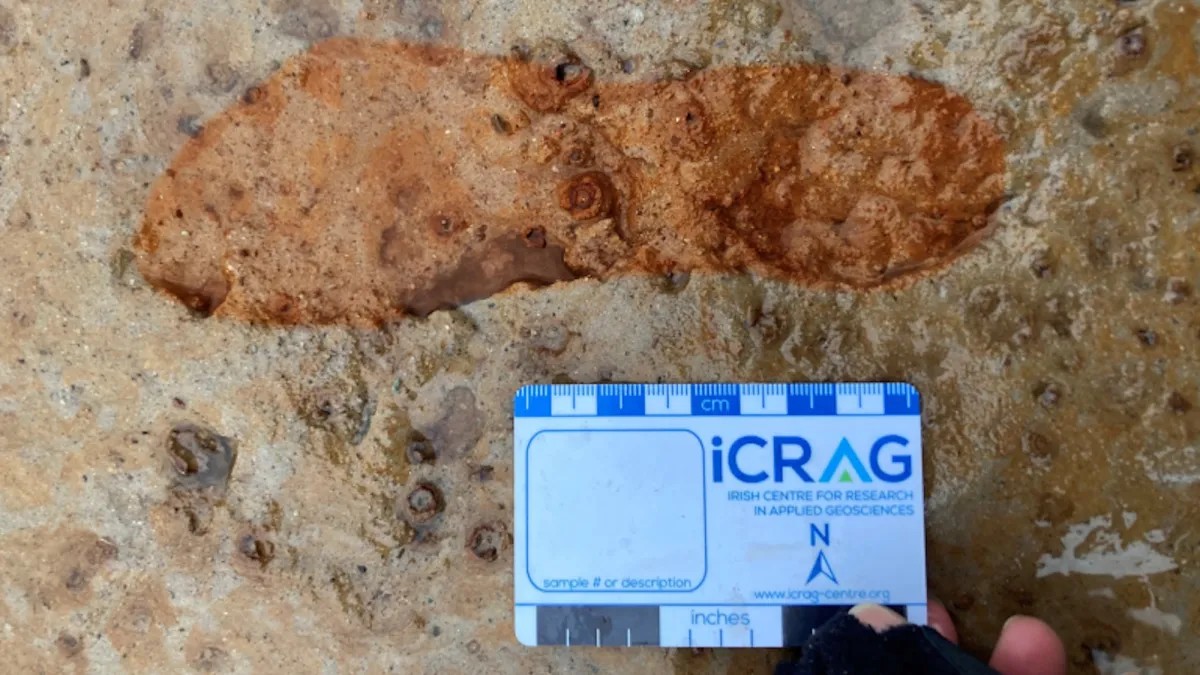
Two dog walkers in Scotland stumbled upon an extraordinary archaeological discovery: perfectly preserved human and animal footprints dating back approximately 2,000 years. The footprints, revealed by powerful winds stripping sand from a beach in Angus, represent the first confirmed ancient footprints found in Scotland.
A Race Against Time
Ivor Campbell and Jenny Snedden, along with their dogs Ziggy and Juno, initially alerted local archaeologists to the find. Researchers from the University of Aberdeen swiftly mobilized to document the footprints before the relentless coastal erosion destroyed them. The team worked under extreme conditions, battling strong winds and incoming tides that threatened to obliterate the site within 48 hours.
Using materials from a nearby craft store, including Plaster of Paris, they were able to create physical and digital records of the impressions. According to archaeologist Kate Britton, “We were effectively being sand-blasted and the site was, too, all while we were trying to delicately clean, study and document it.”
What the Footprints Tell Us
Analysis indicates the prints belonged to both humans and animals, including deer, during the late Iron Age. This period in Scotland’s history was marked by Roman invasions and the rise of the Picts, making the discovery particularly significant. As archaeologist Gordon Noble explained, the footprints offer a glimpse into life around the time of these historical events.
A Rare and Fragile Discovery
While similar finds exist elsewhere in the UK, most have since been lost to time. The short-lived nature of this site highlights the potential for undiscovered archaeological treasures hidden within similar clay deposits along the Montrose basin area. Project collaborator William Mills emphasized the rarity of such preservation: “It is incredibly rare to see such a delicate record saved, taking only minutes to create and hours to be destroyed.”
The rapid erosion of the site underscores the vulnerability of archaeological records and the importance of immediate action when such discoveries are made.
The footprints serve as a fleeting but powerful snapshot of the past, reminding us that even the most ephemeral traces can hold invaluable insights into the lives of those who came before us.