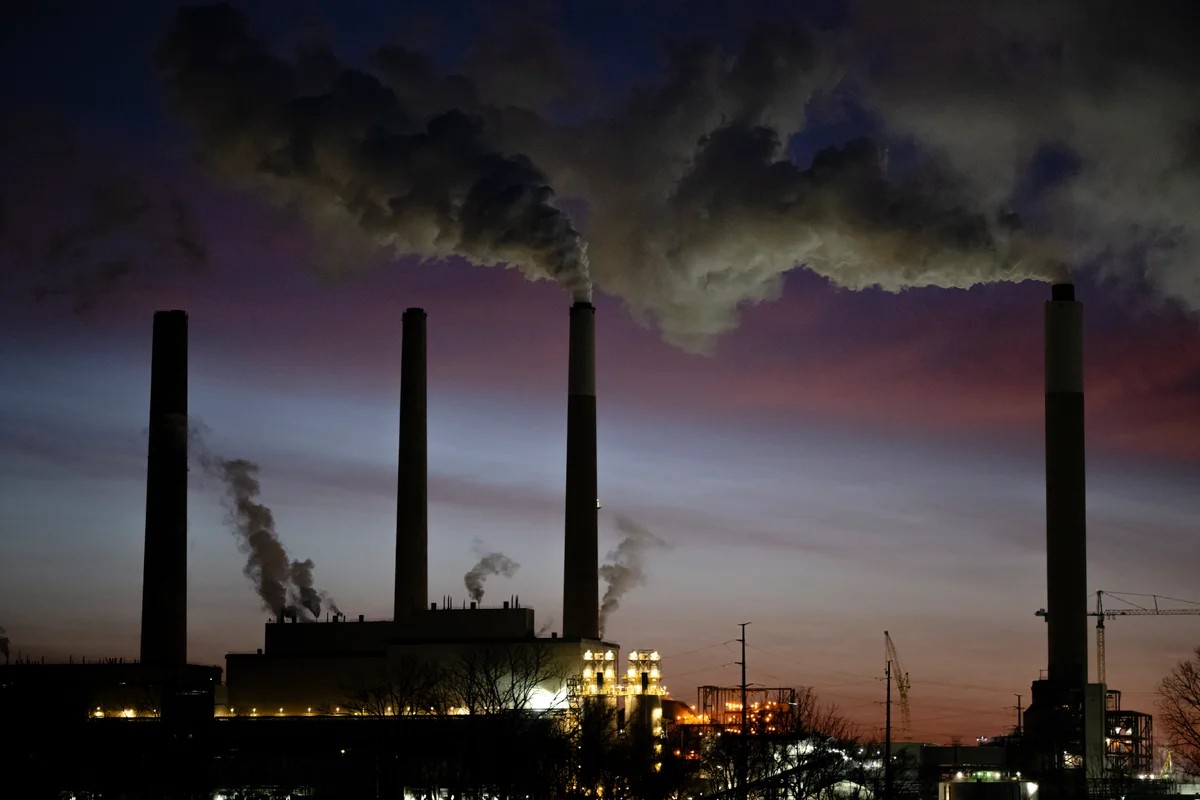
The Trump administration has officially reversed Obama-era environmental regulations on mercury emissions from coal-fired power plants, a move widely criticized by environmental advocates and health experts. The decision reverts emission standards to those established in 2012, which allowed coal plants using lignite—a particularly polluting type of coal—to emit higher levels of mercury.
The core of the rollback eliminates stricter emission limits on mercury, filterable particulate matter, and monitoring requirements for power plants. The EPA argues that these regulations placed “undue burdens” on companies. However, critics warn that the rollback will lead to increased mercury pollution, which poses serious health risks, particularly to infants and children. Mercury is a neurotoxin; exposure can cause severe neurological damage, especially during development.
The decision comes as part of a broader effort by the administration to prop up the struggling U.S. coal industry. Past actions include ordering military facilities to run on coal power, funding plant renovations, and blocking plant closures. Simultaneously, the administration seeks to increase power generation to meet the demands of energy-intensive infrastructure such as artificial intelligence data centers.
Environmental groups are preparing to challenge the rollback in court. Surbhi Sarang, a senior attorney at the Environmental Defense Fund, stated that the action will allow coal plants to release more mercury and toxic pollution into the air, ultimately contaminating water, food, and the bodies of children.
Mercury’s Impact on Human Health
Coal-fired power plants are the primary source of mercury emissions in the U.S. When burned, coal releases mercury into the atmosphere, which eventually settles into soil and water. This contamination enters the food chain, posing a significant threat to human health. Mercury levels in seafood—like tuna—have been demonstrably linked to emission reductions in the past. A 2016 study showed a 19% decline in mercury levels in bluefin tuna samples between 2004 and 2012 as a result of stricter regulations.
Recent Trends in Emissions Control
Between 2010 and 2017, mercury emissions had fallen by an estimated 86%, largely due to earlier regulatory action curbing coal burning. The Trump administration’s move reverses this trend, undermining years of progress in reducing toxic pollution. Gina McCarthy, former national climate adviser under President Biden, condemned the action as prioritizing the fossil fuel industry over public health.
The decision underscores the administration’s ongoing conflict with environmental protections and its commitment to supporting the coal industry despite its economic decline. This rollback effectively prioritizes short-term industrial interests over long-term public health and environmental consequences.
The rollback is likely to face legal challenges, but it immediately weakens pollution controls, increasing the risk of mercury contamination and its associated health effects.