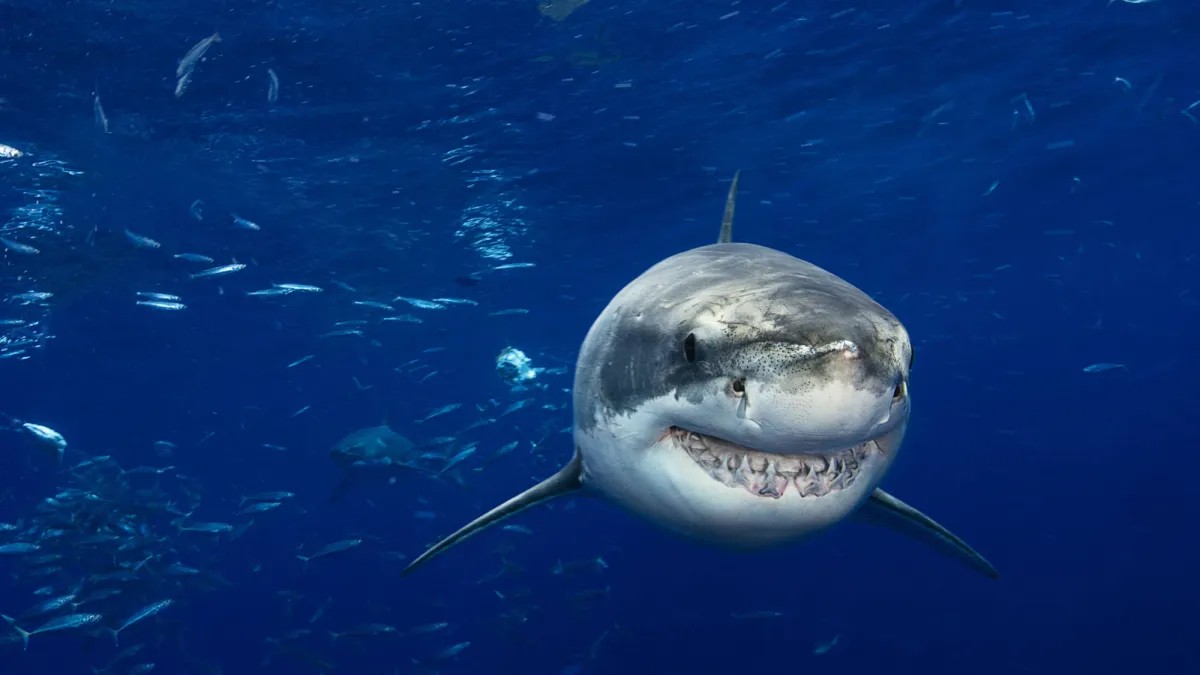
For decades, the image of a great white shark fleeing in terror from an orca (killer whale) has dominated the narrative of apex predator dynamics in the ocean. While orcas are known to hunt and kill great whites—making them the only consistent predator capable of doing so—new research reveals that shark disappearances aren’t always triggered by these attacks.
The Orca-Shark Relationship: A History of Fear
The power of the orca-shark interaction became starkly clear in 2015 when cage-diving tourists near Australia’s Neptune Islands witnessed a pod of orcas seemingly kill a great white. Following this event, sharks vanished from the area for roughly two months. This reinforced the idea that orcas can drive sharks away, even for extended periods. Similar patterns have been observed in South Africa, leading scientists to believe orca predation is a major driver of sudden shark departures from coastal gathering sites.
Challenging the Narrative: Long-Term Data Reveals Nuance
However, a recent study published in Wildlife Research offers a critical counterpoint. Researchers, led by Charlie Huveneers of Flinders University, analyzed over a decade of acoustic tracking and tourism sighting records. Their findings suggest that long absences of great whites can occur without orca presence.
The team recorded six prolonged shark disappearances over twelve years, and only one coincided with documented orca activity. This contradicts earlier studies, which relied heavily on isolated observational data. Huveneers explains: “Killer whales aren’t always, or the only, driver of long white shark absences.”
Beyond Predation: Natural Departures and Environmental Factors
The longest recorded absence in the study occurred in the complete absence of killer whales, demonstrating that sharks sometimes leave a region for other reasons. Short-term departures can be triggered by environmental cues or even chemical signals released by dead sharks (necromones). This suggests sharks may leave due to natural fluctuations in prey availability, water temperature, or other environmental factors, not just fear of predation.
The researchers emphasize the need for long-term monitoring to understand shark behavior. The Neptune Islands disappearance, once assumed to be orca-driven, may have been a natural event after all.
“This study highlights the importance of long-term monitoring to understand white shark movements and site fidelity, while challenging the idea that killer whales are always or solely responsible for prolonged shark absences,” concludes marine scientist Lauren Meyer.
Ultimately, the new data provides a more complex view of predator-prey relationships in the ocean. While orcas can undoubtedly influence shark behavior, their role is not always as dominant as previously thought. Sharks may simply be following their own patterns, driven by factors beyond the threat of an orca attack.