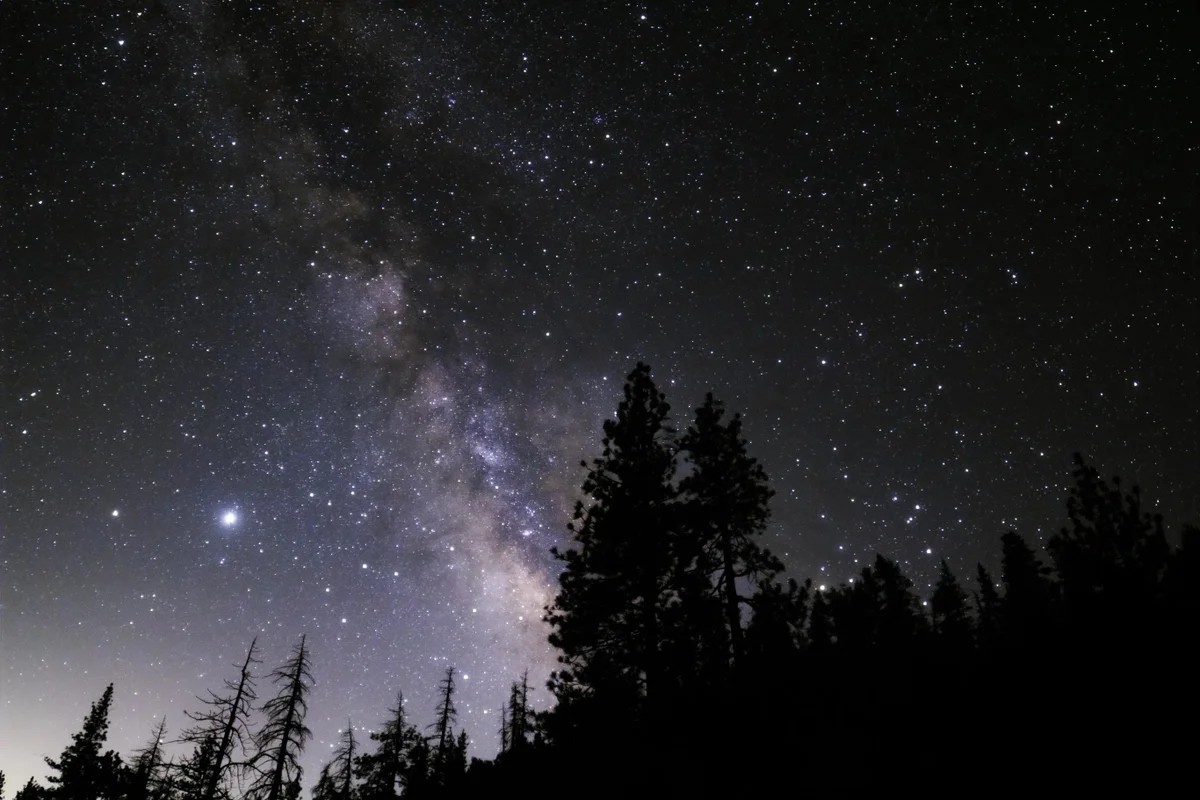
This Saturday, stargazers worldwide have a unique opportunity to witness a “planetary parade” – a rare alignment of six planets visible to the naked eye. Mercury, Venus, Saturn, and Jupiter will appear in sequence shortly after sunset, stretching across the western horizon for up to an hour, depending on clear sky conditions.
Why This Matters: A Cosmic Coincidence
Planetary alignments aren’t unusual, but having six planets visible simultaneously is a striking event. All planets formed from the same swirling disk of gas and dust around our sun billions of years ago; their orbits, while distinct, occasionally synchronize, bringing them together in our sky. This phenomenon isn’t just beautiful; it’s a reminder of our place in the solar system and the mechanics that govern its movement.
How to View the Alignment
To maximize your viewing experience:
- Find a high-altitude, cloud-free location. The planets will be low on the horizon, so obstructions like trees or buildings could block the view.
- Look shortly after sunset. The planets will be visible for approximately 30–60 minutes during twilight.
- Bring binoculars or a telescope (optional). While the four main planets are easily seen with the naked eye, Uranus and Neptune will be visible with magnification.
Beyond the Naked Eye
For those with telescopes, Neptune and Uranus will also join the parade, though they will appear dimmer and require more effort to locate. The next chance to witness such a display won’t be until 2040, when all seven planets may align in a single sky.
This weekend’s event is a simple yet profound reminder of the natural beauty and predictable order of the cosmos. Whether you’re a seasoned astronomer or just curious about the night sky, this planetary parade offers a free and awe-inspiring spectacle.