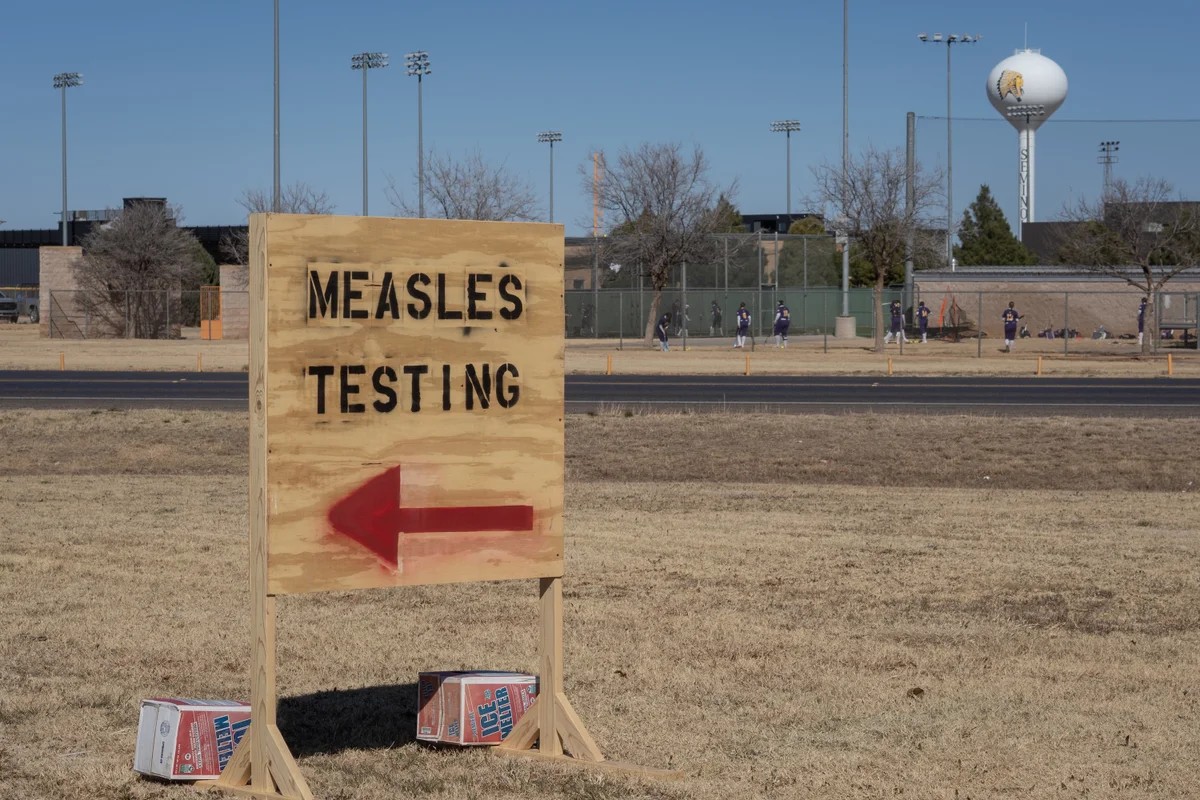
The United States has exceeded 1,000 confirmed measles cases in early 2026, marking a dangerous acceleration in the resurgence of a once-eradicated disease. As of February 26, the Centers for Disease Control and Prevention (CDC) reported 1,136 infections, nearly half the total from all of 2025 (2,281 cases). This rapid increase signals a severe public health threat driven by declining vaccination rates.
The Preventable Resurgence
Measles is a highly contagious, potentially fatal virus that can be effectively prevented through vaccination. The U.S. achieved measles elimination in 2000, but experts now believe that status is irreversible. The current outbreak is escalating faster than previous surges, notably the 2025 outbreak in Texas. The primary cause is the drop in measles, mumps, and rubella (MMR) vaccine uptake.
“Hitting 1,000 [cases] in February is unprecedented… It’s unprecedented because of how preventable it is.” – Amy Winter, demographer and epidemiologist at the University of Georgia.
Underreporting and Regional Hotspots
CDC data likely underrepresents the true scale of the outbreak, with many cases going undetected. Ninety percent of confirmed infections are concentrated in over a dozen states, with South Carolina leading the surge. As of February 27, the state reported 985 cases since late 2025, 919 among unvaccinated individuals.
Last year, 11% of measles cases required hospitalization. The virus can cause severe complications including brain inflammation and death; three unvaccinated people died from the infection in 2025.
Herd Immunity and Community Risk
The MMR vaccine provides up to 97% lifetime protection with two doses. However, effective disease control requires high herd immunity – at least 95% of the population immune through vaccination or prior infection. This protects vulnerable groups like infants under 12 months and immunocompromised individuals.
“A failure to vaccinate not only puts those children… at risk but also puts the community at risk.” – Walter Orenstein, epidemiologist at Emory University School of Medicine.
Declining immunity increases the risk of measles becoming endemic in the U.S., resulting in more infections and potential fatalities.
Loss of Elimination Status Imminent
While isolated imported cases occurred after 2000, local transmission is now driving the outbreak. If this local spread persists for over 12 months, the U.S. will lose its measles-free status. The Pan American Health Organization will review the U.S.’s elimination status in April, but experts predict a negative outcome.
“In my head, we’ve already lost elimination status.” – Amy Winter.
The sharp rise in measles cases underscores the critical importance of vaccination for both individual and community health, and signals that the U.S. is on the verge of losing its hard-won elimination status.