New research reveals a surprising link between the gut microbiome and reproductive health: fecal transplants from older, infertile mice can actually improve fertility in younger ones. The study, published in Nature Aging, suggests a direct connection between gut bacteria and ovarian function. While preliminary, these findings could open doors to new approaches for supporting fertility in humans.
The Unexpected Results
Researchers initially expected the microbiome from older mice—those in a state mirroring human menopause—to degrade the reproductive health of younger recipients. Instead, they observed the opposite: signs of ovarian cell rejuvenation and increased reproductive success. Bérénice Benayoun, lead biologist at the University of Southern California, described the discovery as “intriguing,” highlighting that the results challenge existing assumptions about aging and gut-ovarian communication.
The Estrobolome: A Key Connection
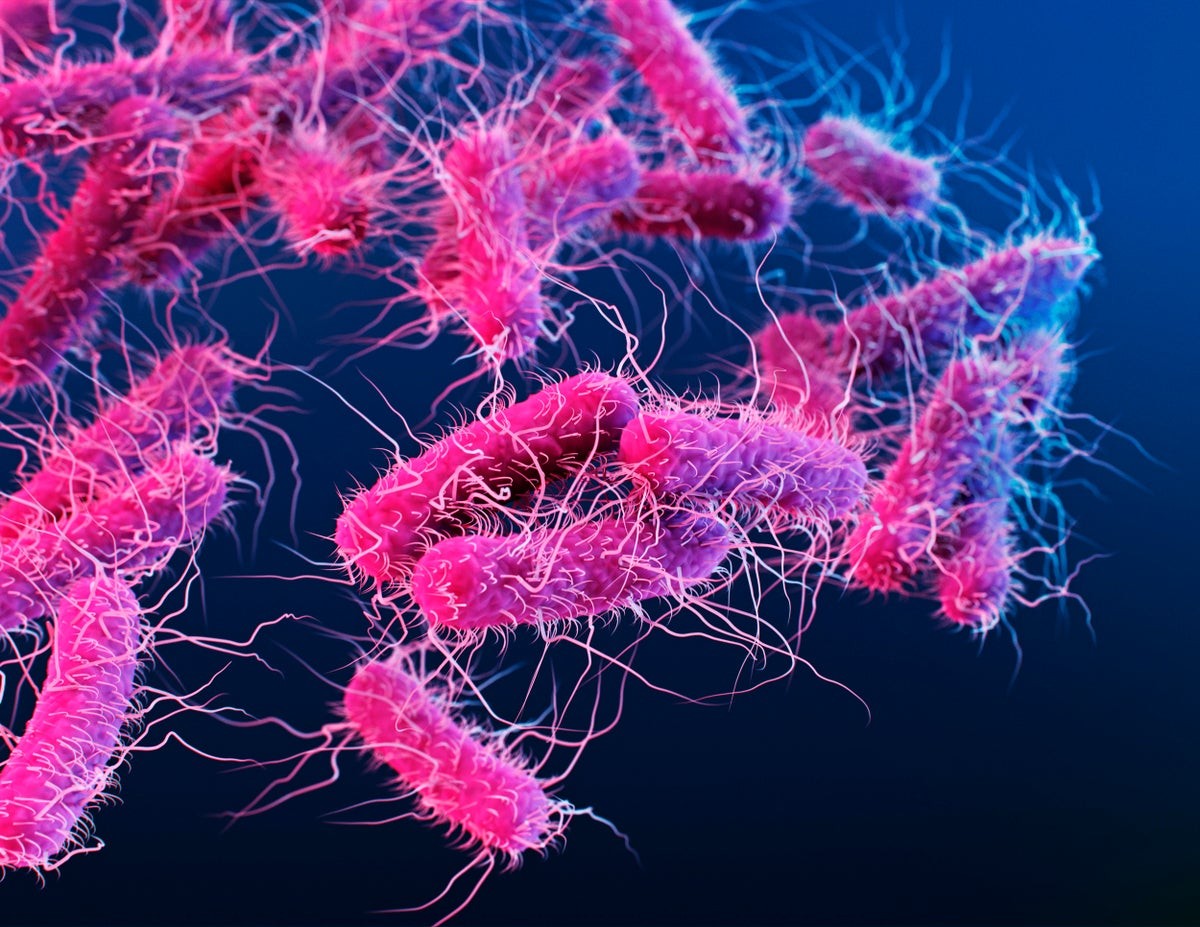
The study focuses on the estrobolome, a group of gut microbes that communicate directly with the ovaries. As mice age, this communication pathway weakens. The researchers theorize that transplanting older mice’s microbiome may compensate for this degradation, effectively “boosting” the signals between gut bacteria and the ovaries. This suggests ovarian function may be more malleable than previously thought.
What This Means for Humans
While these results come from mouse models, they raise critical questions about the human gut microbiome. Do specific human gut bacteria also communicate with the ovaries? If so, manipulating these organisms could potentially become a new way to support ovarian health and fertility.
“You could imagine that once such bacteria are identified,” Benayoun suggests, “it would be easy enough to design ovarian-supporting probiotics.”
Fecal transplants are already used to treat bacterial infections in humans, and ongoing research explores their potential for metabolic and even neurobiological issues. This study adds another layer to the conversation, suggesting the microbiome could be a key factor in reproductive aging.
The findings emphasize that the relationship between gut health and ovarian function is likely far more complex than previously understood. Further research is needed to confirm whether these findings translate to humans, but the potential implications are significant.