Arkansas researchers may have found a sustainable, high-protein solution to the vegan cheese market’s biggest challenge: lack of protein. A recent study from the University of Arkansas, published in Future Foods, suggests that rice – specifically, byproducts from rice milling – could be the key ingredient in creating healthier, more nutritious plant-based cheese alternatives.
The Protein Problem with Vegan Cheese
Current vegan cheese options often mimic the texture and flavor of dairy cheese, but frequently fall short when it comes to nutritional value. Most lack sufficient protein content, a critical component for a satisfying and healthy food product. The researchers believe that the solution may already be available on farms.
Arkansas: A Rice Powerhouse
Arkansas is the largest rice producer in the United States, harvesting over 1.4 million acres in 2024 and supplying nearly half of the nation’s rice. Rice milling generates significant byproducts: broken kernels and rice bran. The U.S. Department of Agriculture estimates that the country produces 14.3 million tons of rice bran and 24.8 million tons of broken kernels annually – a total of 3.3 million tons of unused protein.
Extracting the Potential
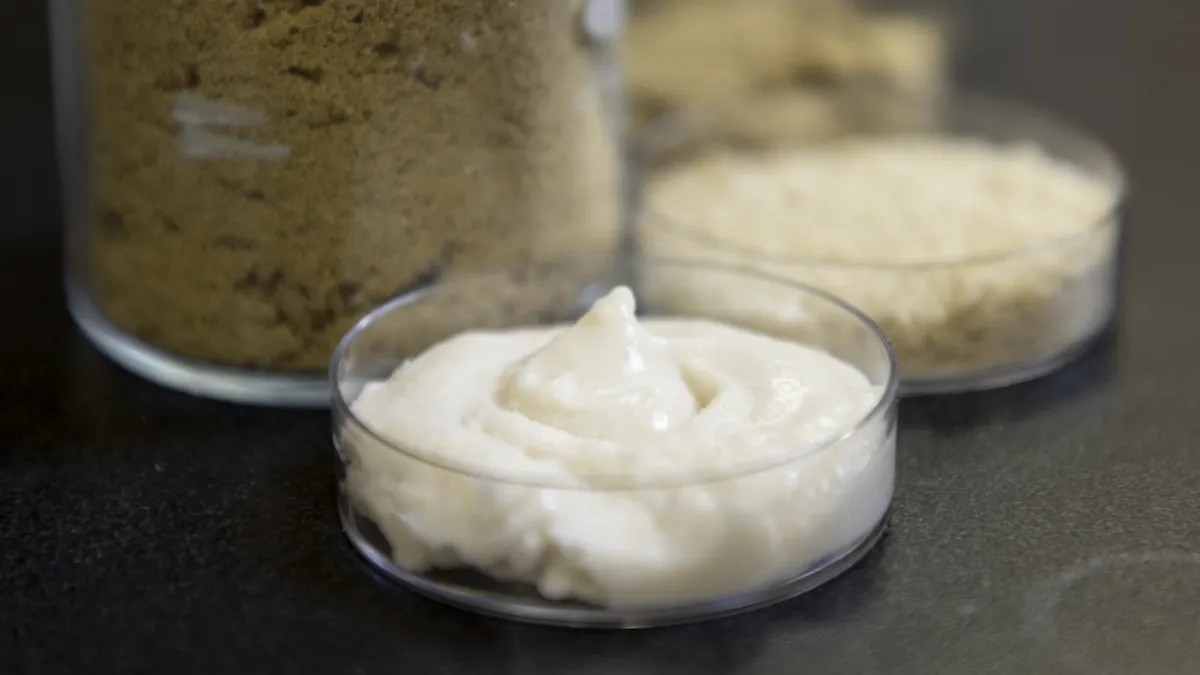
Researchers Mahfuzur Rahman and Ruslan Mehadi Galib chemically extracted and analyzed proteins from brown rice, kernels, and bran, identifying four core molecular components: albumin, globulin, glutelin, and prolamin. By combining these proteins with coconut oil and corn starch, they created vegan cheese recipes containing up to 12% protein. This is significantly higher than many existing alternatives.
Beyond Cheese: Eco-Friendly Extraction
The team is also exploring ways to make the protein extraction process more sustainable. Current methods rely on hexane, a common solvent, but Rahman is investigating ultrasound waves as a greener alternative. Rice proteins could potentially replace oils and eggs in other food applications, further expanding their utility.
The potential of rice proteins extends beyond just vegan cheese, offering a sustainable way to reduce food waste and enhance the nutritional value of plant-based products.
The research demonstrates that an often-overlooked agricultural byproduct could be the foundation for a new generation of protein-rich, eco-conscious food alternatives.