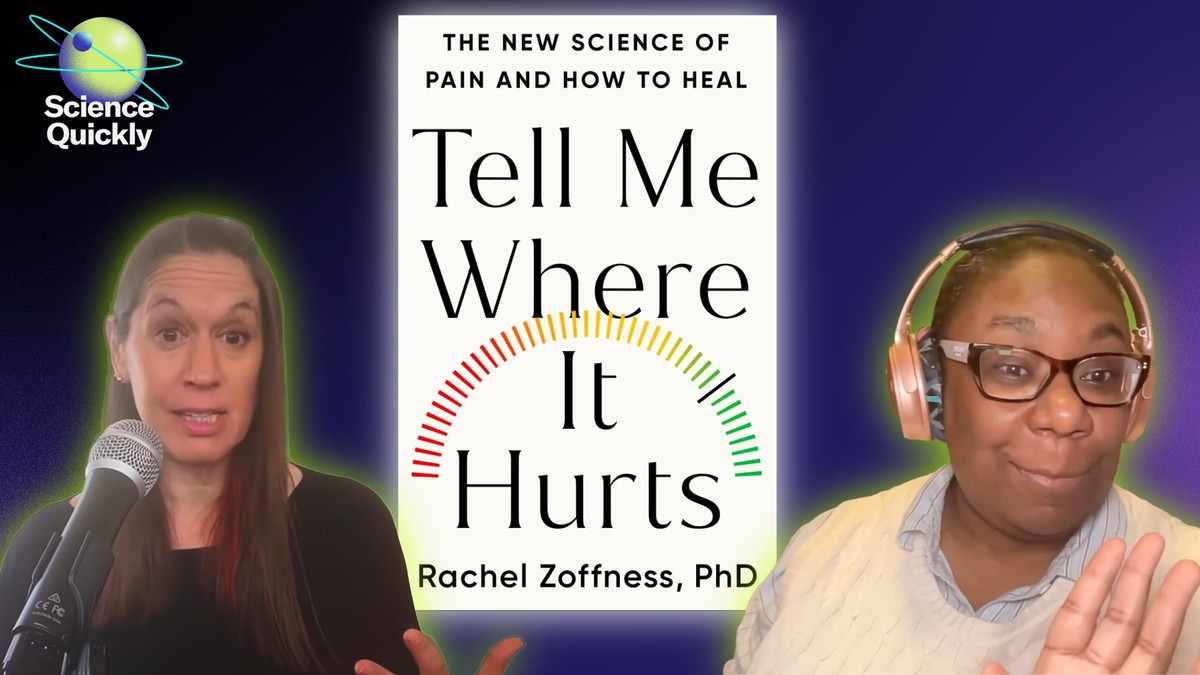
For many, pain is an unavoidable part of life—a stubbed toe, a headache, or a sore back. But what happens when pain doesn’t go away? What happens when it becomes chronic? According to 2023 data from the U.S. Centers for Disease Control and Prevention, roughly one in four American adults lives with chronic pain. However, the science of pain is often misunderstood, leaving many sufferers enduring more agony than necessary.
The Misunderstood Nature of Pain
Pain isn’t simply a response to physical injury, as many are taught. Rachel Zoffness, a pain scientist at the University of California, San Francisco, argues that our understanding of pain is deeply flawed. Pain is not just a signal from the body; it’s a complex process constructed by the brain. This means pain can persist even after an injury has healed, and conversely, severe injuries can be experienced with minimal pain.
Phantom Limb Pain: Proof Pain Is Brain-Based
One striking example of this is phantom limb pain, where individuals continue to feel pain in a limb that no longer exists. This proves that pain isn’t exclusively tied to physical tissue damage; it’s created by the brain, influenced by factors beyond just the body.
The Biopsychosocial Model: A Holistic Approach
The key to understanding chronic pain lies in recognizing it as biopsychosocial. This means pain is a combination of biological factors (genetics, tissue damage), psychological factors (emotions, predictions), and social factors (socioeconomic status, support systems). All three domains contribute to the pain experience.
How Chronic Pain Develops: Neuroplasticity and Central Sensitization
Chronic pain often develops through a process called central sensitization. The brain’s pain pathways become stronger with repeated exposure to pain, like strengthening a muscle through exercise. This leads to the nervous system becoming hypersensitive, amplifying even minor sensations into intense pain.
Treating Chronic Pain: Beyond Physical Solutions
Because pain is not solely physical, treatments must address the psychological and social components as well. Hypnosis, for example, can disrupt entrenched pain signals by altering brain activity. This highlights the importance of holistic approaches that include emotional regulation, coping mechanisms, and social support.
Conclusion
Chronic pain isn’t a simple physical problem; it’s a complex interplay of biology, psychology, and social factors. By understanding this, we can move beyond ineffective treatments and toward more comprehensive, effective strategies for managing and reducing chronic suffering.