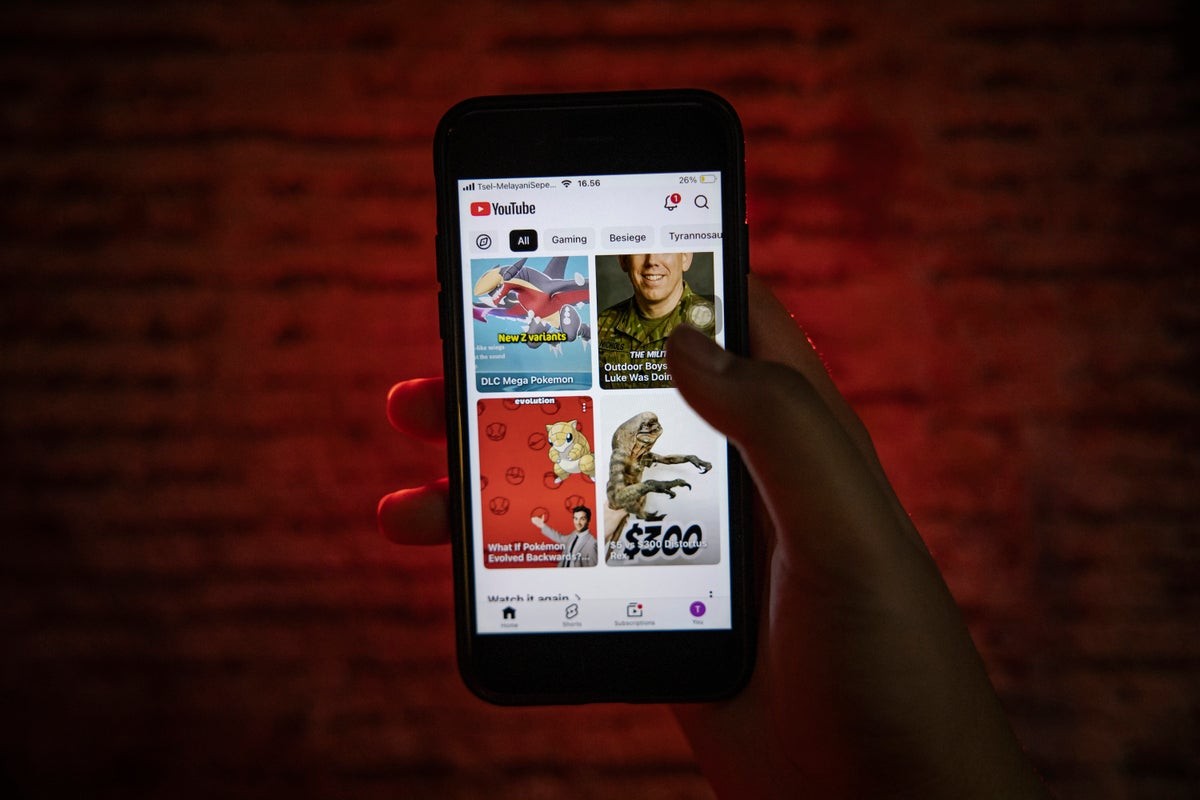
A Los Angeles jury has delivered a landmark verdict, holding Meta and Google liable for negligent design choices in Instagram and YouTube that contributed to user addiction. The court awarded the plaintiff, a young woman who began using the platforms as a child, $6 million in damages, assigning 70% of the liability to Meta and 30% to Google. While the ruling does not set a legal precedent immediately due to expected appeals, it marks a critical shift in how social media could be legally treated.
The Core Question: Product or Publisher?
For decades, social media companies have argued they are merely platforms for user-generated content, shielded by Section 230 of the Communications Decency Act. This verdict challenges that view, suggesting that features like infinite scroll, autoplay, and aggressive notification systems are design choices with foreseeable harms, particularly for young users. The question now is whether these features should be judged under product liability laws—the same standards applied to physical products.
The case is one of thousands pending in California and nationwide, including over 10,000 individual claims and 800 from school districts. A recent New Mexico jury also found Meta liable for misleading users about the safety of its platforms, including enabling child sexual exploitation. This suggests a growing legal pressure on social media companies.
How Addiction by Design Works
The lawsuit focused not on specific content but on the platforms’ deliberate design to maximize engagement. Features such as infinite scroll, autoplay, and continuous notifications were built to keep users scrolling, clicking, and returning—often unconsciously. The plaintiff’s lawyers successfully framed these as product flaws rather than neutral hosting of user content.
Former Facebook engineering leader Arturo Béjar, who testified before the U.S. Senate, explained that these features were explicitly designed to increase time spent on the platforms, with little to no consideration for safety. Internal reviews often stripped away safety measures to prioritize “minimum viable product” (MVP) performance—meaning engagement was prioritized over user well-being.
The Science of Frictionless Addiction
Researchers have demonstrated that reducing these addictive features can improve user experience. A study by Carnegie Mellon University found that participants using a browser extension (“Purpose Mode”) that removed infinite scroll, autoplay, and algorithmic recommendations spent 21 fewer minutes per day on social media and reported feeling less distracted. This suggests that platforms could be designed to prioritize user well-being without necessarily destroying the experience.
However, these changes would come at a cost. The features that drive addiction also boost engagement, ad revenue, and repeat visits. Meta and Google are likely to argue that product liability laws are intended for physical products, that causation is difficult to prove in cases involving pre-existing trauma, and that the First Amendment protects editorial discretion.
What’s Next?
The verdict will not immediately overhaul social media design. But it has eroded the legal defense of the modern feed as a benign background condition of online life. The courts will now consider whether these features are merely neutral tools or deliberate choices with harmful consequences.
The key legal battle will center on whether design can be distinguished from content under Section 230 and the First Amendment. If the courts uphold the verdict, social media companies could face stricter liability for addictive design choices, forcing them to prioritize user well-being over relentless engagement. As Arturo Béjar puts it bluntly: “Can you please make products that are not addictive to children?”