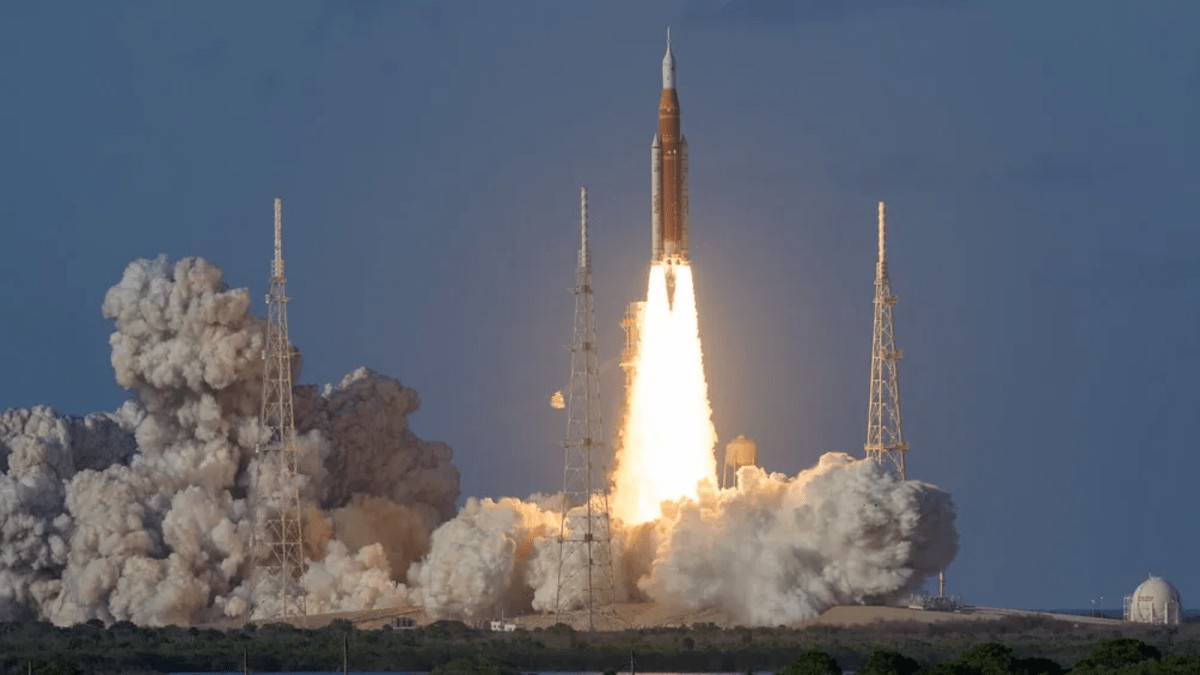
The number of functioning toilets in space has officially reached double digits with the recent launch of NASA’s Orion spacecraft. As of today, ten toilets are operational across various orbital platforms, marking a significant, albeit under-reported, advancement in long-duration space travel.
Current Toilet Distribution in Orbit
The distribution is as follows:
- Orion Space Capsule: 1
- Crew Dragon (ISS): 1
- Soyuz (ISS): 1
- Shenzhou (TSS): 1
- Tiangong Space Station: 2
- International Space Station: 4
This seemingly mundane detail underscores a critical aspect of space exploration: sustaining human life beyond Earth requires sophisticated waste management. These systems aren’t just about hygiene; they’re about recycling resources, controlling odors in confined environments, and maintaining astronaut health during extended missions.
Early Malfunction and Rapid Fix
The Orion toilet experienced an initial malfunction shortly after launch, with its urine-collection fan jamming. NASA responded swiftly, with ground teams diagnosing a controller issue. Astronauts and mission control in Houston worked to restore the system, proving the resilience of modern space toilet technology. The ability to still use the toilet for solid waste during the outage was a key factor in maintaining crew comfort.
The Universal Waste Management System (UWMS)
The Orion spacecraft’s toilet is officially known as the Universal Waste Management System (UWMS). This 5-cubic-foot system is specifically engineered for microgravity conditions, using airflow to separate urine and solid waste. Solid waste is stored in odor-controlled canisters, while pre-treated urine is vented into space daily. The “universal” design ensures compatibility with future spacecraft and life support systems. NASA invested heavily in comfort, too: the UWMS includes a redesigned seat and funnel for improved usability.
Artemis II Mission Details
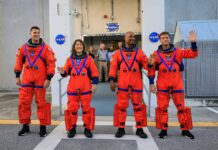
NASA’s Space Launch System (SLS) rocket lifted off from Kennedy Space Center on April 1, carrying astronauts Reid Wiseman, Victor Glover, Christina Koch, and Jeremy Hansen on a ten-day lunar mission. The crew will travel roughly 685,000 miles, potentially surpassing Apollo 13’s record for the farthest distance from Earth. The spacecraft will spend a day in high Earth orbit for testing before venturing toward the moon at a maximum distance of 250,000 miles from our planet.
The addition of another space toilet is not merely a logistical upgrade; it’s a reminder that even the most high-tech endeavors rely on fundamental human needs. As space missions grow longer and more ambitious, ensuring these systems function reliably is paramount to astronaut health and mission success.