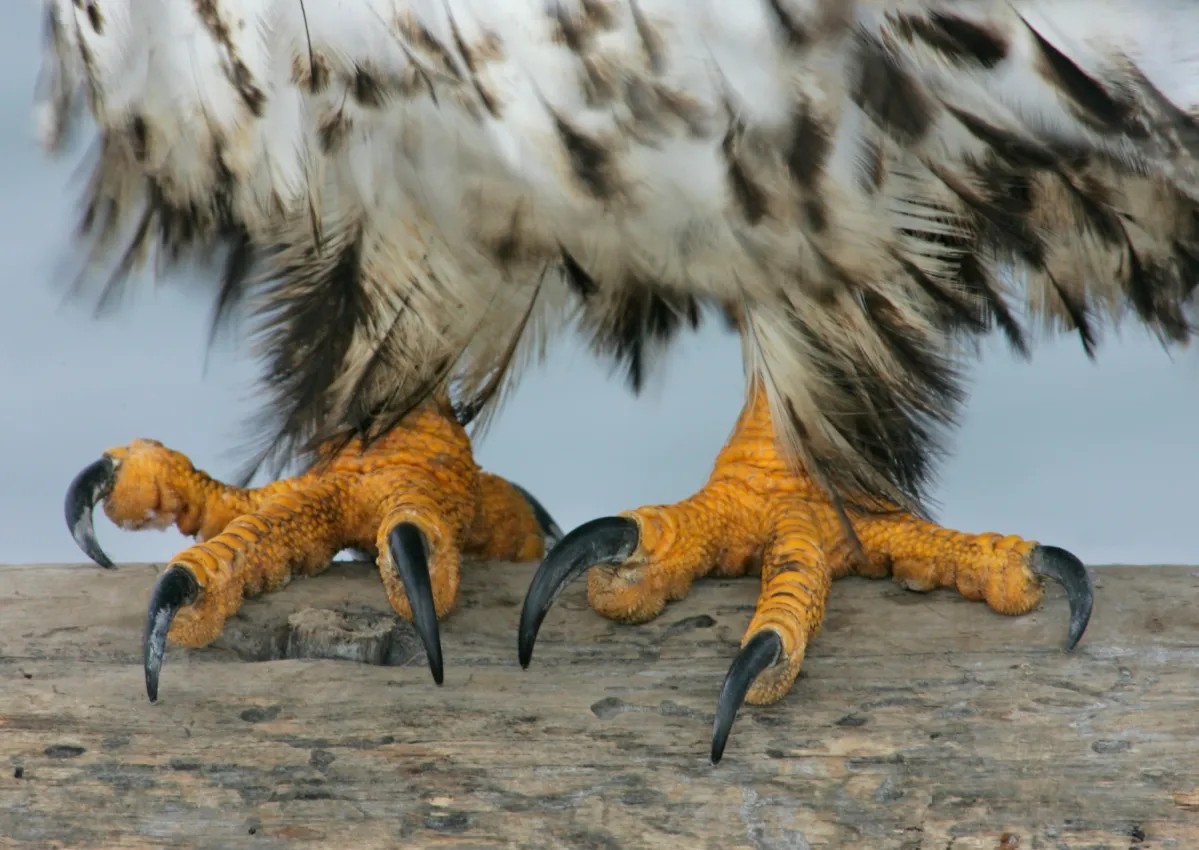
Rescued birds of prey at the New England Wildlife Center in Massachusetts undergo a unique form of care: manual talon and beak trimming. This isn’t a seasonal joke; it’s a necessary procedure for animals that can no longer survive in the wild. Because these birds no longer experience the natural wear and tear of hunting and flight, their talons and beaks grow excessively long, requiring intervention from the center’s staff.
The Problem of Pampered Talons
Unlike birds in their natural habitat, captive birds don’t interact with abrasive surfaces like tree bark or prey. This means their claws and beaks don’t file down naturally. Greg Mertz, CEO of the New England Wildlife Center, explains that these birds live in a “pampered environment” where their nails grow longer than they would in the wild.
The process is comparable to trimming a pet dog’s nails or a farrier shaping a horse’s hooves: it’s essential for their comfort and well-being.
How the Process Works
The New England Wildlife Center uses a gentle but firm approach. Birds are carefully wrapped in colorful towels or blankets to keep them secure during the trimming. Staff members then use files and clippers to shorten and smooth the talons, and file down beaks, sometimes holding a finger between the upper and lower beaks to ensure a safe working space.
Mertz prefers electrical wire cutters for their precision, allowing him to see the work clearly. Despite the process, he assures that the talons won’t hurt anyone if a bird were to land on them.
Beyond Physical Care: A Lesson in Rehabilitation
The center’s approach extends beyond basic care. Many of these birds, like Strix the barred owl, were brought in with injuries—such as broken wings—that prevent their release back into the wild. Strix, who likely collided with a vehicle as a juvenile, now plays a vital role in educating thousands of children about owls annually.
These birds are no longer equipped for survival in the wild, and the center’s pedicures ensure they remain comfortable and healthy while serving an educational purpose.
The New England Wildlife Center’s method isn’t just about trimming talons; it’s about providing specialized care for animals that need it, ensuring that even in captivity, they remain healthy and continue to contribute to conservation education.