


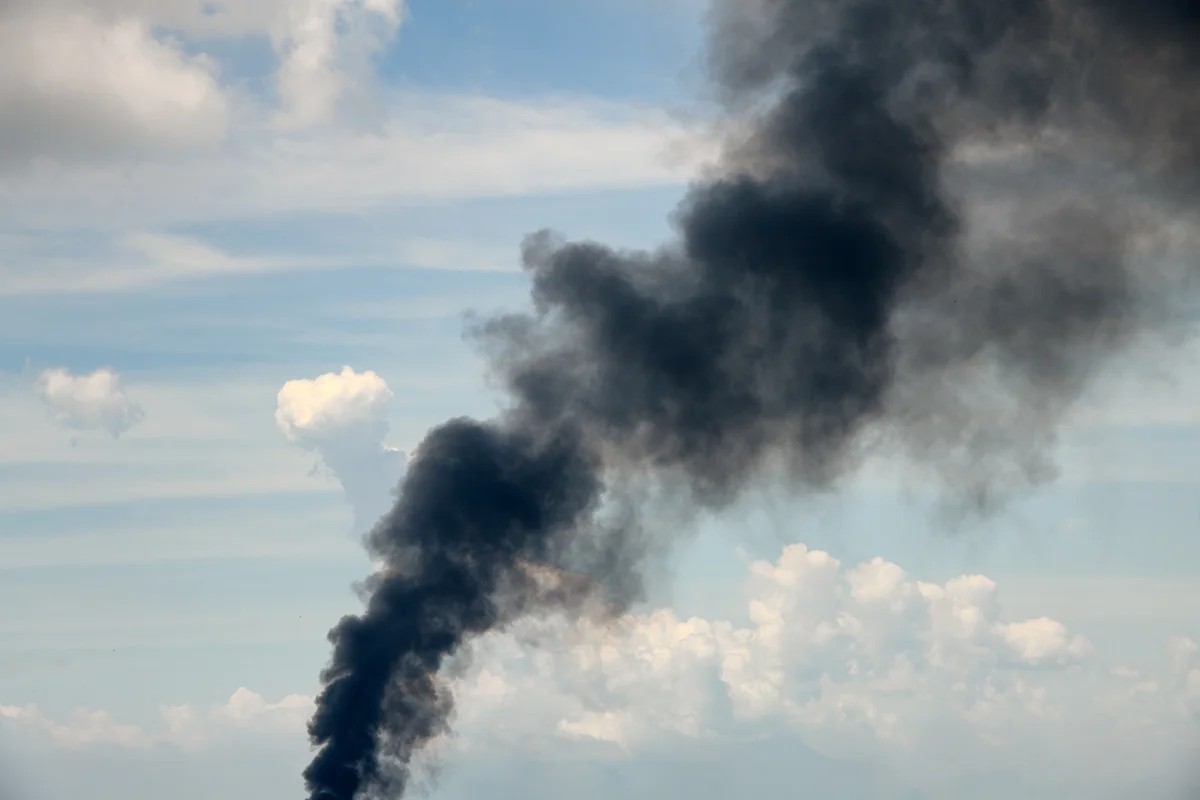
Atmospheric carbon dioxide (CO2) levels reached a new historical peak in April, averaging 431 parts per million (ppm). This data, collected by the National Oceanic and Atmospheric Administration’s (NOAA) Mauna Loa Observatory in Hawaii, underscores a persistent and accelerating trend in global warming.
While the specific seasonal spike is a natural part of the Earth’s biological cycle, the underlying trajectory is alarming. Scientists describe the record as “depressing” yet expected, highlighting the disconnect between seasonal natural cycles and long-term anthropogenic emissions.
Understanding the Measurement and Seasonal Cycle
To grasp the significance of the 431 ppm figure, it is helpful to understand how greenhouse gases are measured. The concentration is expressed as parts per million, meaning that for every one million molecules in the atmosphere, 431 are carbon dioxide.
The April peak is driven by natural seasonal rhythms:
* Winter Release: As plants decay after winter, they release stored CO2 back into the atmosphere.
* Spring Absorption: During warmer months, growing vegetation reabsorbs some of this gas through photosynthesis.
However, the critical issue is not the seasonal fluctuation, but the steady upward trend in the baseline concentration. Each year, the atmosphere retains more CO2 than it releases, preventing the levels from returning to previous lows.
“It’s just another sign that carbon dioxide continues to increase in our atmosphere as our planet continues to warm,” says Zachary Labe, a climate scientist at Climate Central. “For many climate scientists, this is just ‘here it is again, another record in the wrong direction.’”
A Stark Contrast to Historical Baselines
The Mauna Loa Observatory has been the gold standard for atmospheric monitoring since it began tracking CO2 levels in 1958. The contrast between then and now is stark:
* 1958 April Average: Under 320 ppm.
* 2024 April Average: 431 ppm.
When viewed against a deeper historical timeline, the acceleration becomes even more evident. Ice core analyses reveal that during pre-industrial times, atmospheric CO2 hovered at 280 ppm or less. Even during previous warm interglacial periods, levels rarely exceeded 300 ppm. The current concentration is significantly higher than any point in at least the last 800,000 years, driven primarily by human activity since the Industrial Revolution.
The Threat to Critical Data Infrastructure
This new record arrives at a precarious moment for climate science infrastructure. A proposed budget for NOAA’s 2027 fiscal year (beginning October 2026) suggests cuts to funding for several key climate monitoring facilities, including the Mauna Loa Observatory.
Such cuts would jeopardize the continuity of the longest-running direct record of atmospheric CO2 in the United States. Maintaining this dataset is crucial for:
1. Validating climate models.
2. Tracking the effectiveness of international emissions agreements.
3. Providing real-time data on the health of the global carbon cycle.
Conflicting Trends in Emissions and Energy
The rise in atmospheric CO2 reflects a complex global picture of emissions and energy use. While the United States saw a reduction in emissions in 2023 and 2024, this trend reversed in 2025. A significant factor in this reversal is the surging electricity demand from artificial intelligence data centers, which has increased the load on power grids, many of which still rely on fossil fuels.
Despite these challenges, experts note areas for optimism. The rapid expansion of renewable energy sources, such as solar and wind power, offers a pathway to decouple economic growth from carbon emissions. However, the current data indicates that the transition has not yet been sufficient to halt the overall accumulation of CO2 in the atmosphere.
Conclusion
The record-high CO2 levels at Mauna Loa serve as a clear indicator that global warming trends are intensifying. While seasonal cycles explain the specific timing of the peak, the long-term rise highlights the urgent need for sustained emissions reductions and the preservation of the scientific infrastructure that tracks our changing climate.


