


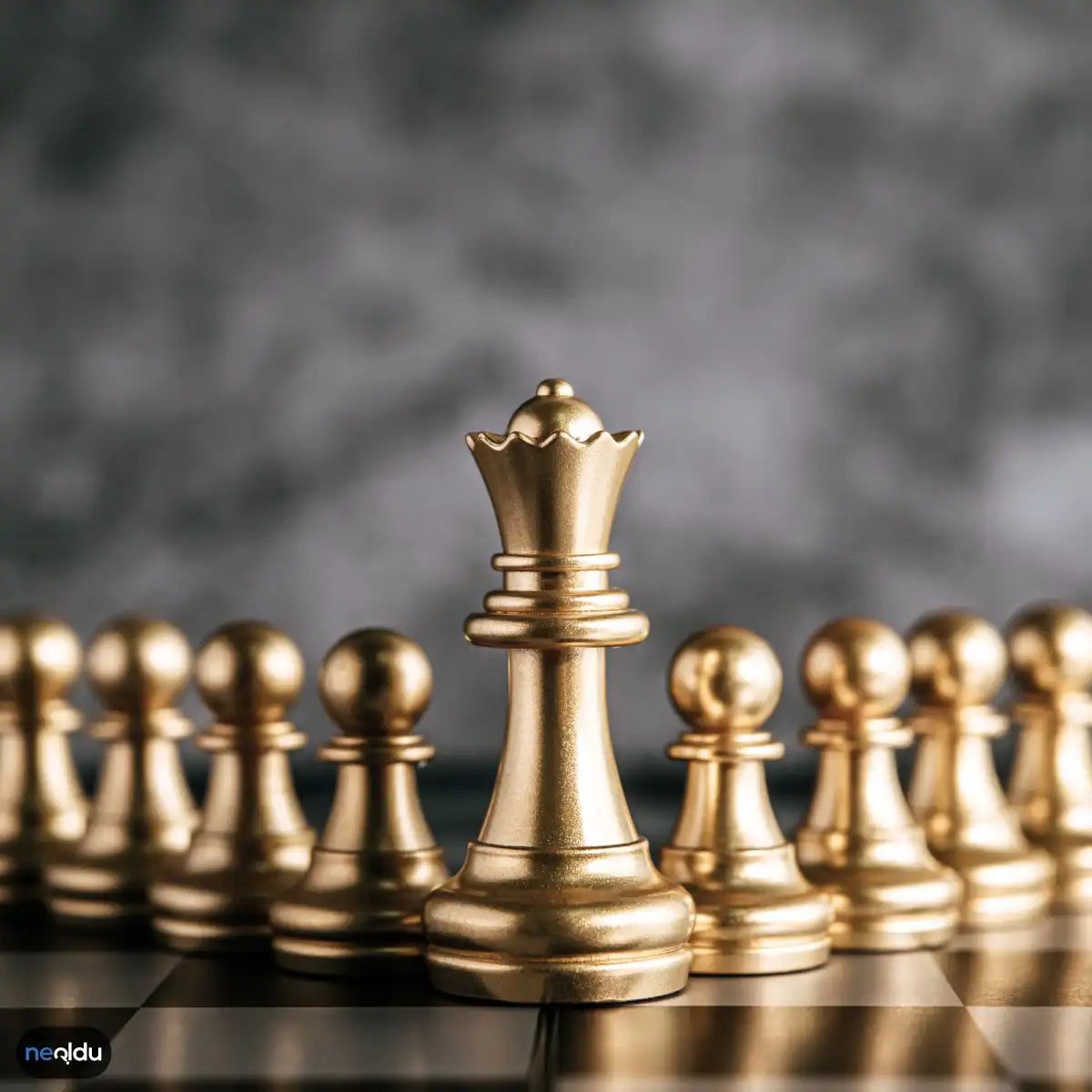
Chess isn’t just a board game. It’s a mental workout that’s survived centuries because it works.
People still play it. Millions of them. But if you’re only seeing it as a pastime, you’re missing the point. Chess changes how your brain functions. It sharpens focus. It builds logic. It forces you to think three steps ahead instead of one.
Want better mental health? Want to feel sharper? Sit down. Move the pieces.
Here’s how playing chess boosts your brain and intelligence.
The Origins of the Game You’re Playing
Chess didn’t start in a European castle. It began in India, around the 6th century, as a game called chaturanga. It mimicked the four divisions of the military: infantry, cavalry, elephantry, and chariotry.
From there, it traveled along the Silk Road. Persians picked it up. Called it shatranj. Then the Islamic world spread it further. Eventually, it reached Europe, where the rules evolved. Queens got stronger. Pawns got double steps. The game we know today took shape in the late 15th century.
Why does this history matter? Because chess is built on strategy, not luck. Every move has consequences. That’s why it’s been used for centuries to train leaders, generals, and thinkers.
“Chess is life in miniature. It’s full of problems. It’s full of beauty, both terrible and wonderful. And it’s full of surprises.”
You don’t need to be a grandmaster to get the benefits. You just need to play.
Focus sharpens the board
You sit down. The clock starts. Noise fades.
Chess forces a kind of laser focus. You cannot multitask when a knight is hanging or the king is exposed. This deep attention is the first mental benefit. It’s not just about watching pieces; it’s about sustaining that watch over time.
Kids playing chess learn to sit still. Not because they are told to, but because the game demands it. A single lapse in concentration costs material. Maybe the whole game.
This trains the brain to filter out distractions. In a world full of pings and scrolls, that ability is rare. It’s useful.
Why does this happen? The stakes are immediate. You look away, you lose. That feedback loop rewires how you pay attention. It’s practical training for the mind.
Focus isn’t passive. It’s an active defense against chaos.
So you get better at noticing details. Small things matter. A pawn structure shift. A subtle threat. Chess teaches you to see what others miss.
Where does this help? In school. At work. In life.
The skill transfers. You start applying that same concentrated gaze to other problems. Math homework gets easier. Reading comprehension improves. You just stay with it longer.
Is it magic? No. It’s practice. But it’s powerful practice.
Building resilience through loss
Winning feels good. Losing feels worse.
But chess teaches you to lose. Often. Especially when you start.
This builds mental toughness. You don’t just quit because you made a mistake. You analyze it. You try again. You adjust.
Parents see this. Their child loses a tournament. They cry. Then they ask, “What went wrong?”
That question is the gift.
Resilience isn’t born. It’s built. One bad game at a time.
Which mindset shifts? From “I’m bad at this” to “I missed a tactic.” From frustration to curiosity.
This matters beyond the board. Life throws losses. Jobs end. Projects fail. Relationships break.
If you’ve sat at a chessboard and stared at a bad position, you know what to do. Breathe. Think. Find the next best move.
There is no undo button in life. But there is always the next move.
Strategy and planning
Chess is war without armies.
You plan. You anticipate. You counter-plan.
This develops strategic thinking. You don’t just react. You create your own game.
How? By setting goals. “I want to control the center.” “I want to attack the kingside.” Then you execute.
Step by step.
This is project management in miniature. It’s career planning. It’s life strategy.
You learn that short-term gains can hurt long-term goals. Taking a pawn might open your king to attack.
Trade-offs. Always trade-offs.
Which pieces do you sacrifice? What risks do you take?
These questions train decision-making. You weigh options. You choose. You live with the result.
No one tells you the answer. You figure it out.
That independence is empowering.
Memory and pattern recognition
Look at a board.
Most people see random pieces. A chess player sees patterns.
Kingside attack. Isolated pawn. Back rank weakness.
The brain


Satranç ile dikkat ve konsantrasyon geliştirme yolları
Oyun tahtası bir zemin. Çelik kareler. Siyah ve beyaz. Karşı tarafın her hamlesini izlemek zorundasın. Kendi hamlelerini planlarken stratejileri göz önünde bulundurmalısın. Bu süreç, beynin dikkat ve konsantrasyon kaslarını güçlendirir. Sonuç? Diğer aktivitelerde de daha dikkatli ve odaklı olman sağlanır. Satranç oynamak, dikkat ve konsantrasyonu geliştirir çünkü zihni sürekli tetikte tutar.
2. Problem Çözme Yeteneğini Arttırır
Her pozisyon bir bulmacadır. Kaybedersin. Ya da kazanırsın. Arada kalan şey problem çözme yeteneğindir. Tahtadaki kaosun içinden mantıksal bir yol bulmak gerekir. Beyin, potansiyel sonuçları değerlendirir, en iyi hamleyi seçer ve hatadan ders çıkarır. Bu, sadece satranç için değildir. Hayatın her alanında karşılaştığın sorunlara yaklaşımını değiştirir. Daha analitik. Daha hızlı. Daha net.
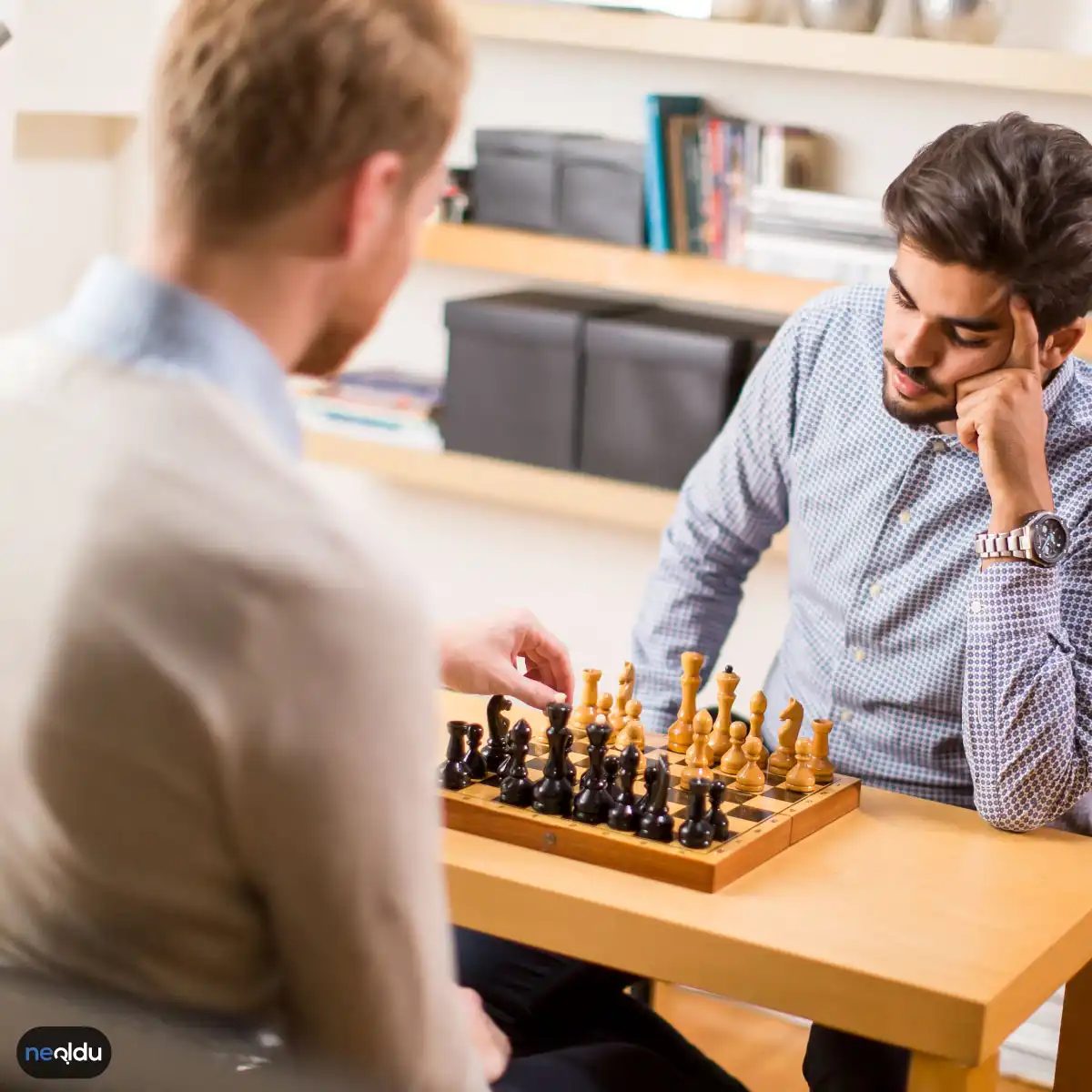
3. Hafızayı Güçlendirir
Satranç sadece hamle yapmakla ilgili değil. Hatırlamakla da ilgili.
Oyun ilerledikçe zihnin bir arşiv gibi çalışmaya başlıyor. Daha önce karşılaştığın açılışları, taktik desenleri ve hatta rakibinin tercih ettiği oyun tarzını anımsamak zorundasın. Bu, pasif bir hatırlama değil. Aktif bir geri çağırma işlemi.
“Zihin, kullanılmadıkça erir; satrançta ise her hamle bir tekrar dir.”
Bu süreç, özellikle uzun vadeli hafıza kalıplarının pekişmesine yardımcı olur. Bir öğrenci olarak derslerindeki formülleri hatırlamakla paralel düşünebilirsin. Satrançta belirli bir taş yerleşiminin ne anlama geldiğini hatırlamak, beynindeki nöral yolları güçlendirir.
Nasıl çalışır?
Her oynadığın oyun, beyninin yeni bir “dosya” kaydetmesine benzer. Zamanla bu dosyalar daha hızlı erişilebilir hale gelir. Bu da günlük hayatta bilgi işlemeni hızlandırabilir.
- Desen Tanıma: Taşların dizilişini hatırlamak görsel hafızayı zorlar.
- Stratejik Anı: Geçmiş oyunlardaki hataları veya başarıları hatırlamak, gelecekteki kararları etkiler.
Kısaca, satranç zihnini bir kas gibi çalıştırır. Ne kadar çok oynarsan, o kadar çok hatırlarsın. Ve bu hafıza, sadece satranç tahtasıyla sınırlı kalmaz.
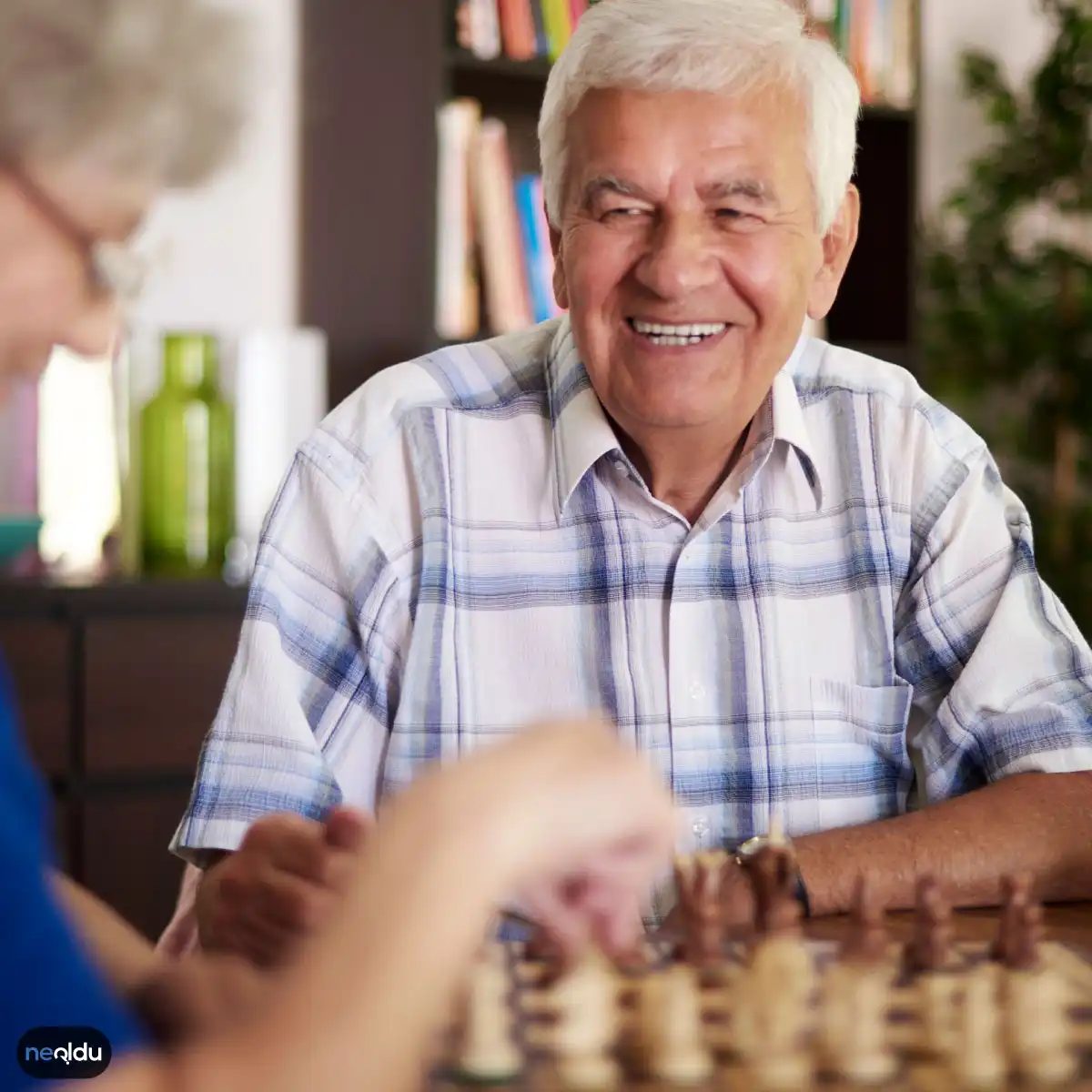
4. Planlama ve Strateji Becerilerini Geliştirir
Açılışlar ezber işi değildir. En azından sadece o değil. Satrançta başlangıç hamlelerini bilmek, kısa süreli hafızayı zorlar. Uzun vadeli hafızayı da devreye sokar. Beyin, hamle dizilerini kalıcı hale getirmek için çalışır. Bu, basit bir tekrar değil. Derinlemesine bir işleme sürecidir.
Oyun ilerledikçe planlama devreye girer. Strateji, hamle hamle düşünmekten çok öteye geçer. Büyük resme bakmak gerekir. Piyon yapıları, taş yerleşimleri, zayıf kareler. Tüm bunlar bir araya gelerek bir plan oluşturur. Oyuncu, bir sonraki hamlesini düşünmez. Üç, beş, hatta on hamle sonrasını tasarlar. Bu yetenek, günlük hayatta da işe yarar. Karar verme süreçlerinde, olası sonuçları tahmin etmek konusunda keskinleşir.
Satranç stratejisi, sadece taşları hareket ettirmekle sınırlı değildir. Rakibin niyetlerini okumak, onun planını bozmak, kendi planını esnek tutmak gerekir. Bu dinamik, oyuncuyu pasif bir katılımcı olmaktan çıkarır. Aktif bir stratejist haline getirir. Her hamle, büyük planın bir parçasıdır. Ve bu, zihinsel kasları sürekli olarak çalışır tutar.
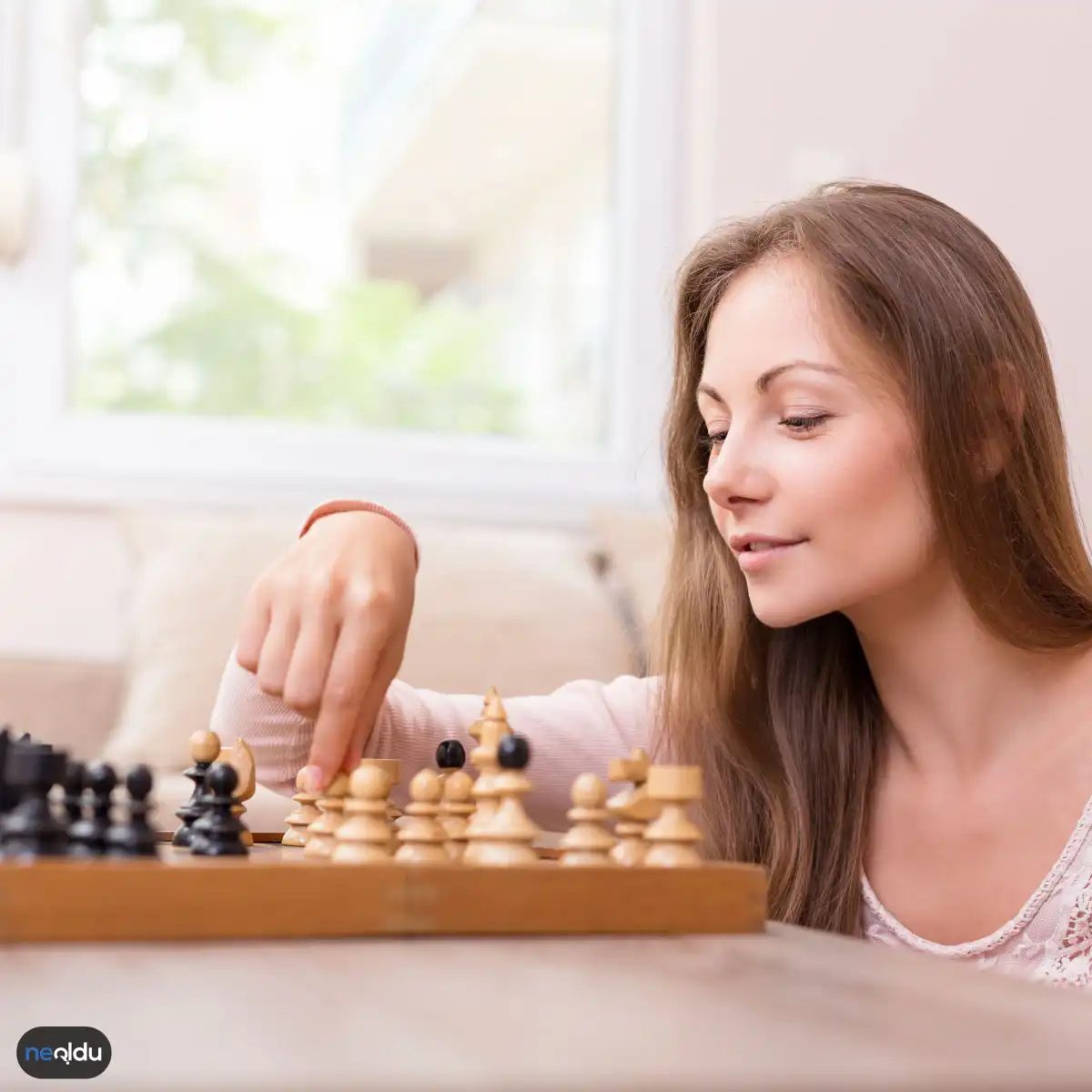
Yaratıcı Düşünme: Kalıpları Kırmak ve Yeni Çözümler Bulmak
Satrançta yaratıcılık, tahtadaki hamlelerle sınırlı değildir. Bu, standart çözümlerin dışında kalan, beklenmedik açılışları keşfetme yeteneğidir. Oyuncular, rakibin beklemediği hamlelerle onu şaşırtabilir. Bu, beyinlerin yeni bağlantılar kurmasını sağlar.
- Esneklik: Aynı pozisyonda farklı stratejiler denemek.
- Orijinallik: Kitaplarda olmayan, kişisel içgüdülerle hamle yapmak.
- Problem Çözümü: Önceden görmediği karmaşık durumlarda yaratıcı çıkış yolları bulmak.
“Satranç, yaratıcılığın sınırlarını test ettiği bir laboratuvar gibidir.”
Özellikle çocuklar için, bu beceri okulda ve günlük hayatta da işe yarar. Sorunları farklı açılardan görmeyi öğrenirler.

6. Stresi Azaltır
It’s a paradox. You sit down to play a game that can spike your heart rate, and you end up calmer. That’s the thing about chess. It forces a kind of mental reset.
When you’re stuck in a complex position, the noise of the outside world fades. Your brain doesn’t have room for traffic jams, email drafts, or existential dread. It only has squares. Pieces. Patterns.
This is focused attention. It’s the same mechanism used in mindfulness meditation, but with higher stakes. You can’t meditate while worrying if you just lost a knight. You have to be here.
Chess teaches you to breathe through the tension.
Parents often tell me their kids are less anxious after a few months of play. Why? Because the board provides clear boundaries. The problem is finite. The solution is there. It’s tangible. In real life, problems are messy. On the board, they are sharp.
It’s not just about winning. It’s about the process. The act of calculating variations requires a deep, quiet concentration that shuts down the stress response. You enter a flow state. Time distorts.
Try it. Sit down. Move a pawn. Watch the chaos in your head settle into the grid. It’s surprisingly effective.

Why chess forces your brain to think logically
It’s not just about moving pieces. It’s about building a chain of reason. You can’t jump to the end. You have to walk through the middle. Every move is a statement. “If I do this, they will do that.” Then you counter. It’s pure cause and effect. No guessing. No luck. Just logic.
This trains your brain to spot patterns. To see the hidden structure in chaos. You start applying this elsewhere. In school. At work. In arguments. You stop reacting. You start analyzing.
Logical thinking isn’t magic. It’s a muscle. Chess works it out. Hard. Repetitive. Painful sometimes. But effective.
You learn to predict. To plan. To adapt. When your opponent surprises you, you don’t panic. You re-evaluate. The board changes. Your logic adjusts.
It’s messy. Real life is messy. Chess teaches you to bring order to the mess. One square at a time.
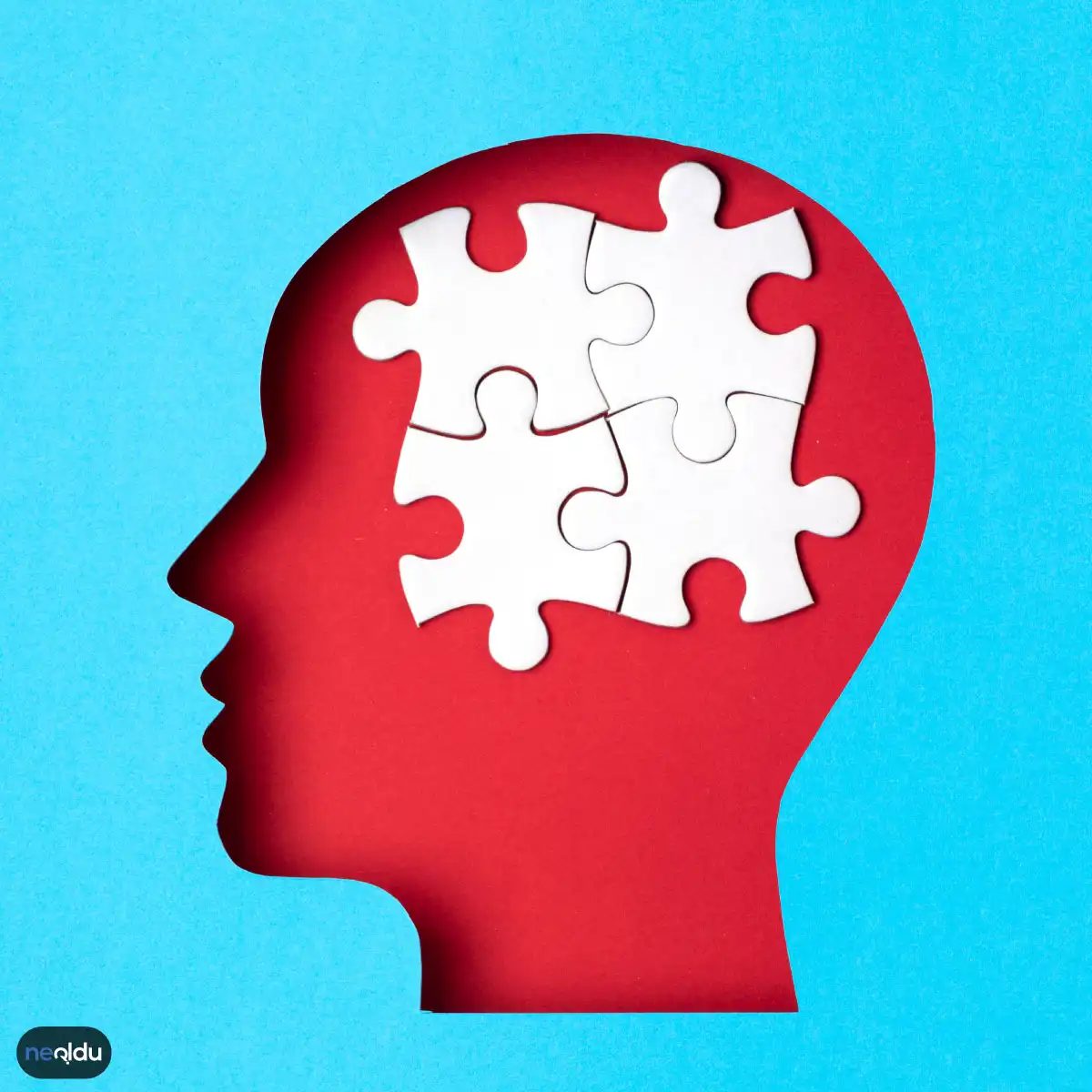
How chess sharpens analytical thinking skills
You move a knight. Then a pawn. Each choice ripples forward.
Chess forces you to see the board not as a collection of pieces, but as a web of cause and effect. It’s not just about moving; it’s about predicting.
When you play, you’re running simulations in your head. What happens if I take this bishop? How does my opponent respond? What’s their counter? You’re building trees of possibility.
This process hones analytical thinking. You break down complex positions into manageable variables. You weigh risks. You discard bad lines.
It’s mental weightlifting.
“Chess teaches you to calculate consequences before acting.”
Students who practice this see benefits elsewhere. Math problems feel less abstract. Coding logic becomes clearer. Even daily decisions get a sharper edge.
Why? Because you’re trained to look for patterns. To spot traps. To anticipate moves before they happen.
It’s not magic. It’s practice.
The board is small. The implications are huge.
You learn to trust your analysis over your instinct. At least until your instinct becomes analytical.

3. How Chess Sharpens Emotional Intelligence and Empathy
Playing chess isn’t just a cold, mechanical exercise in logic. It’s deeply human. In fact, the emotional toll of the game can be just as significant as the strategic one.
When you sit across from an opponent, you aren’t just moving pieces on a board. You are engaging with another person’s mind. This forces a level of emotional intelligence that many people never develop in other areas of life.
Consider the frustration. You spend ten minutes calculating a winning combination. You make the move. Your opponent counters with a brilliant defense you missed. What do you do?
Do you slam the board? Or do you take a breath and analyze why your calculation failed?
This is where empathy enters the chat. To win, you have to think like your opponent. You have to anticipate their fears, their hopes, and their likely mistakes. You step into their shoes—literally and figuratively.
“To play chess well, you must understand not just the board, but the person sitting across from you.”
This ability to read someone else’s mental state is a core component of empathy. It’s not about feeling sorry for them. It’s about understanding their perspective so thoroughly that you can predict their next move before they make it.
For students, this is invaluable. It teaches them to pause before reacting. Instead of an immediate, angry response to a setback, they learn to observe, process, and adapt.
Parents often wonder if chess helps their kids with social skills. The answer is yes, but indirectly. By learning to manage their own emotions under pressure, players become better listeners. They become more patient. They understand that every action has a reaction, and that reactions are often emotional rather than rational.
This applies to lifelong learners too. Whether you are negotiating a salary, resolving a conflict with a partner, or leading a team, the ability to regulate your emotions while reading others is a superpower.
Chess strips away the noise. It leaves you alone with your thoughts and your opponent’s expectations. It’s a high-stakes environment for practicing self-control.
You learn that anger clouds judgment. You learn that panic leads to blunders. You learn that staying calm is the most aggressive move you can make.
It’s not about being nice. It’s about being effective. And being effective requires understanding the human element of every interaction.
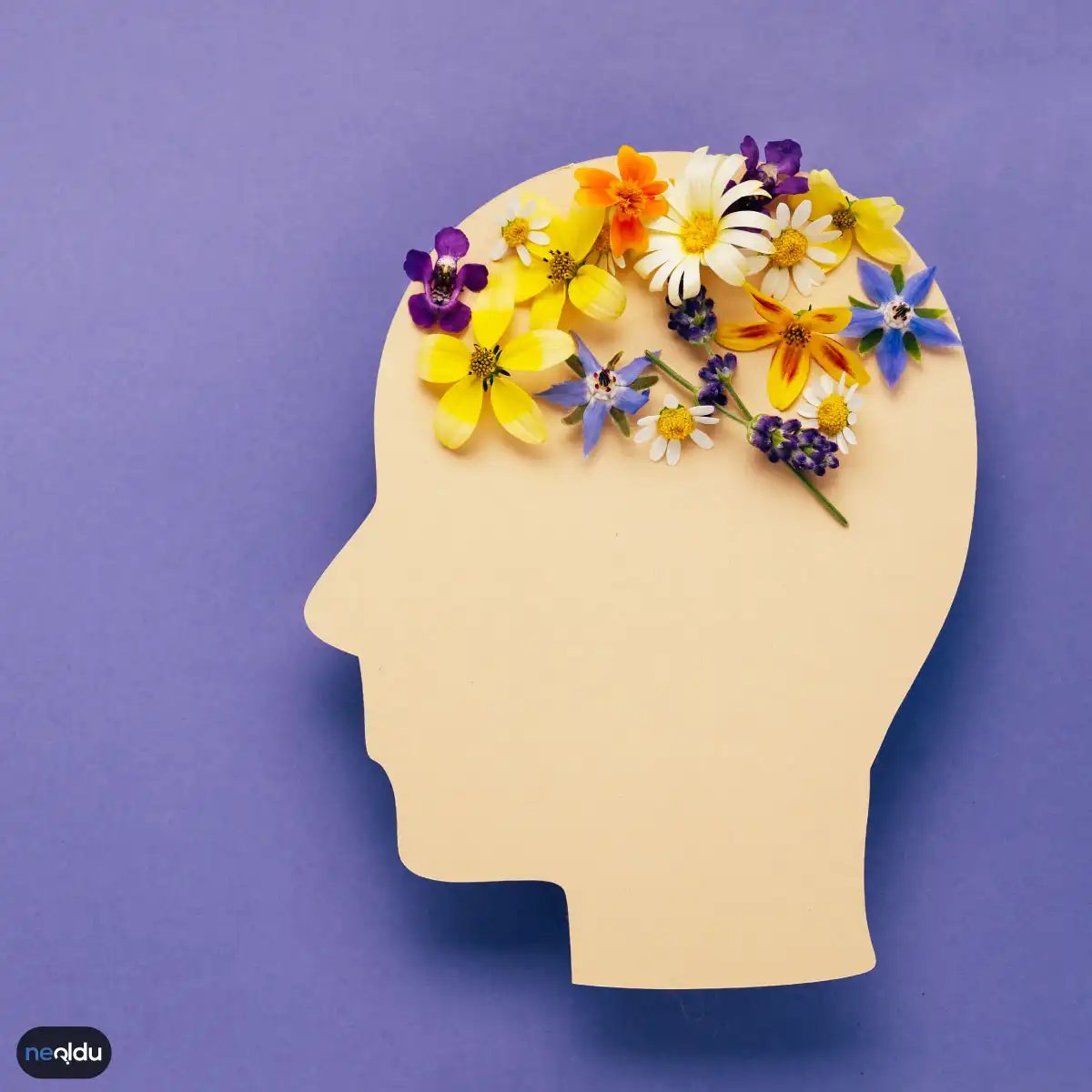
You sit across the board. It’s not just about knights and pawns. It’s a mirror.
To play chess well, you have to step into your opponent’s head. You need to ask, what are they feeling? Are they rushing? Are they scared of a trap? This process builds empathy. It’s not abstract. It’s practical. You learn to read micro-expressions. You anticipate moves based on psychological tells, not just tactical possibilities.
This is emotional intelligence in action.
Most people think IQ is the only metric that matters in chess. It isn’t. The ability to regulate your own frustration when you blunder? That’s EQ. Understanding why an opponent chose a passive defense because they’re unsure? That’s empathy. These skills transfer. They work in meetings. They work in relationships. The board is just the training ground.
4. Sharpening Decision-Making Under Pressure
Every move is a decision. There is no undo button in a real game.
This forces your brain to process information quickly and act. You weigh options. You calculate risks. You commit.
In daily life, we hesitate. We overthink. Chess strips that away. It teaches you to make good-enough decisions when the clock is ticking. You learn to trust your intuition, honed by pattern recognition.
Which move is safer? Which one creates more tension? You decide. Then you live with the consequence. This builds mental resilience. You stop fearing the mistake. You start analyzing it. The next time you’re in a high-stakes situation at work or school, you won’t freeze. You’ll calculate. You’ll move.
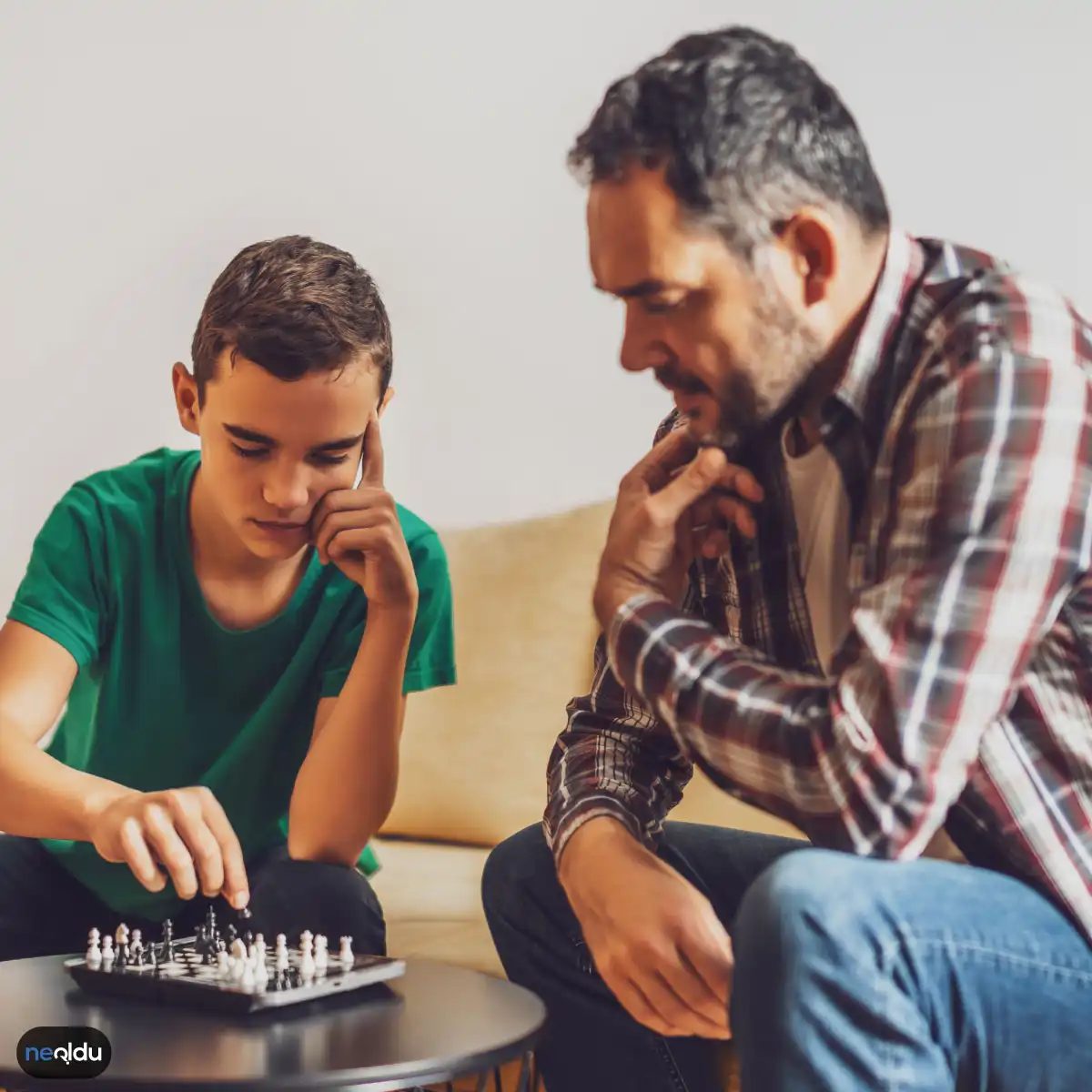
Satrançla mantıksal düşünme ve matematiksel yetenekler nasıl gelişir?
Karar mekanizması bu şekilde çalışır. Bir hamle yaparsın, beş adım sonrasını görürsün. Zihninde bir simülasyon döner. Bu sadece oyun içi bir alışkanlık değil. Gerçek hayattaki seçimlerde de aynı zihinsel kası kullanırsın. Hangi yolun daha az risk içerdiğini, hangi adımın uzun vadede daha çok getirisi olacağını hesaplar hale gelirsin. Satranç, bu hesaplamaları yapma yeteneğini zanaaten öğretir.
Matematiksel yetenekler konusunda ise durum biraz daha somut.
Neden satranç matematiksel düşünceyi destekler?
Çoğu insan satrançta “hissetmek”ten bahseder. Yanlış. Satrançta sezgi, derinlemesine matematiksel ve mantıksal hesapların yüzeye çıkış biçimidir. Oyun tahtası bir grid’dir. Koordinat sistemi gibidir. Her kareye bir değer atanır, her taşın hareket yarıçapı geometrik kurallara tabidir.
Oyuncular, taşlarının yer değiştirmesiyle oluşan yeni şekilleri analiz ederken bilinçli veya bilinçsizce uzaysal zekalarını çalıştırır. Bir atın L şeklinde atlaması, bir filin köşegen hattı, bir vezirin dikdörtgen alanı… Bunlar hepsi geometri derslerinin pratik uygulaması. Tahtadaki boşlukları ve dolu alanları okumak, görsel-bilişsel işlem gücünü zorlar.
Ayrıca, oyunun her anında bir denge var. Malzeme bedeli, pozisyonel avantaj, tempo kaybı. Bunları tartmak, ağırlık-hacim oranını hesaplamak gibidir. “Piyonumu fedakar edip, karşı tarafın kaleyi açmasını engellemek mi daha iyi?” sorusu, aslında bir maliyet-fayda analizi. Bu tür mikro hesaplamalar, sayısal okuryazarlığı ve problem çözme becerisini doğrudan besler.
“Satranç, sayıların soyut dünyasını somut tahtalar üzerinde yaşatır.”
Ebeveynler ve öğrenciler için önemli olan nokta şurası: Satranç, matematiği sevdirmez ama matematiği anlamaya zemin hazırlar. Sayılar korkutucu durduğunda, satrançta rakamlar stratejinin parçasıdır. 1-2-3 gibi basit sayımlar, taş sayısını belirler. 3. hamle, 12. hamle gibi kavramlar, sıralı işlem yapmayı öğretir.
Bu bağlamda, satranç oynayan öğrencilerin neden daha iyi problem çözme kapasitesine sahip olduğu sorusu da yanıtlamış olur. Çünkü onlar, problemi çözmek için önce problemi parçalara ayırır, her parçanın değerini tartar ve en mantıklı sırayla birleştirir. Bu, kod
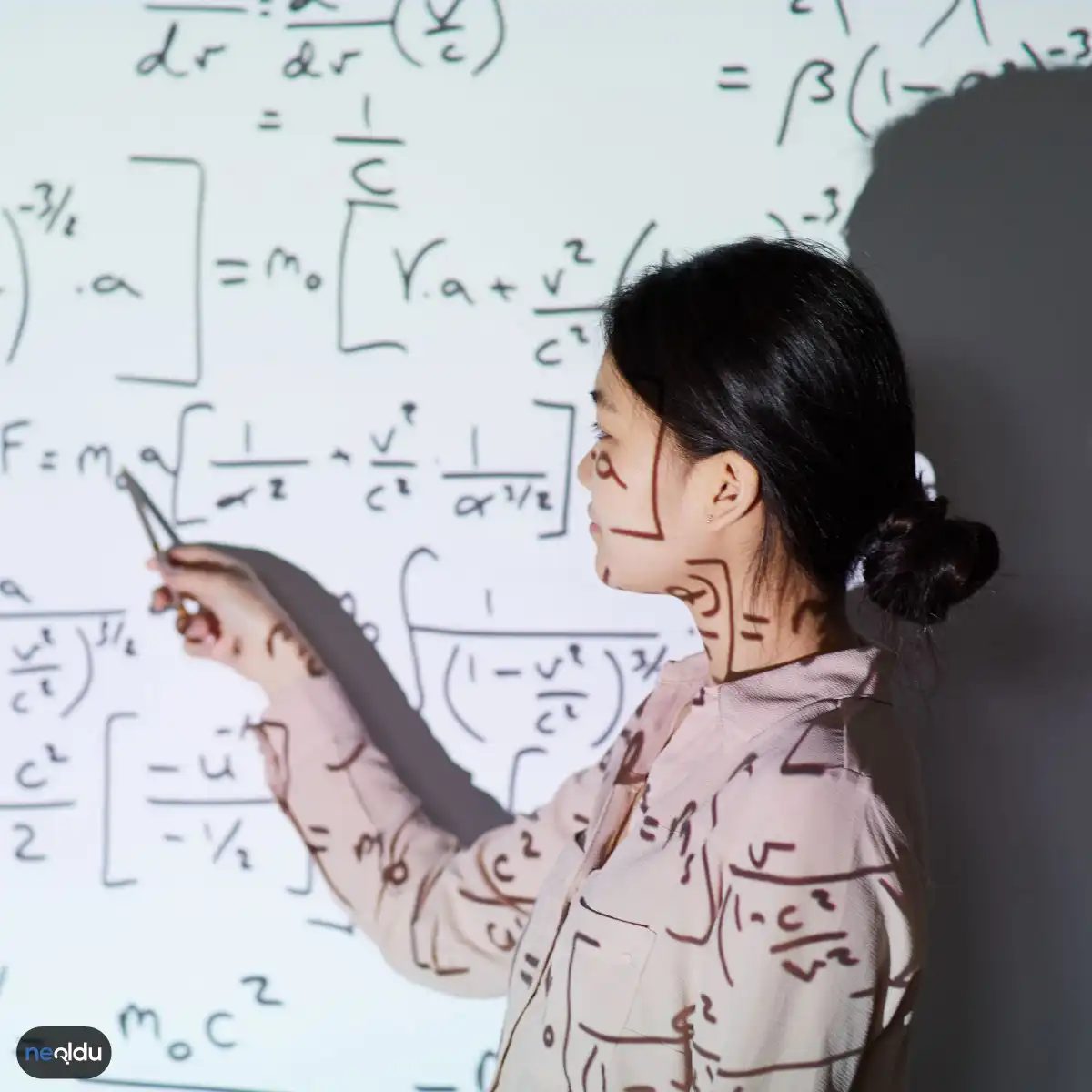
Satranç tahtası aslında bir matematik dersidir. Sadece taşları kaydırmanız yetmez. Zihniniz sürekli hesaplama yapar. Hangi kareye gidildiği, kaç taşın kontrol altında olduğu, geometrik desenlerin nasıl işlediği… Bunlar soyut kavramlar değil. Gerçek zamanlı matematiksel uygulamalardır.
Oyuncular sayıları ve şekilleri bilinçli olarak kullanmak zorundadır. Bu durum, matematiksel yetkinliği pasif öğrenme yerine aktif uygulama haline getirir. Zihin, soyut kavramları somut hamlelere dönüştürür.
İletişim ve Sosyal Zekayı Nasıl Geliştirir?
Tahtada sessiz olunur ama oyun dışı iletişim hayati önem taşır. Satranç, sadece tek başına düşünmekle ilgili değildir. Rakibinizle olan dinamiği yönetmeyi öğretir.
- Sözlü olmayan işaretler: Duruşunuz, göz temasınız ve hamle hızınız mesaj verir. Bu sinyalleri okumak, sosyal algıyı güçlendirir.
- Kurallara saygı: Oyun etiği, saygılı bir dil kullanmayı ve kaybetmeyi kabul etmeyi gerektirir. Bu, yetişkin dünyasındaki profesyonel iletişimin temelidir.
- Analitik konuşma: Oyun sonrası inceleme, fikirlerinizi net bir şekilde ifade etmenizi sağlar. “Neden” ve “nasıl” sorularına cevap vererek düşünce yapılandırma yeteneğini geliştirirsiniz.
İletişim becerileri, satranç masasından çıkıp hayatın her alanına taşınır. Dinlemeyi öğrenirsiniz. Karşı tarafın perspektifini anlamaya çalışırsınız. Bu, çatışma çözme ve işbirliği kurma yeteneklerini doğrudan etkiler.

How Chess Improves Communication Skills Across Age Groups
People think chess is silent. It isn’t. Not really.
Playing the game forces you to read a room. You aren’t just moving pieces on wood. You’re decoding signals. Gestures. Body language. When you stare at your opponent, you’re looking for tells. A twitch. A sigh. These are clues. They help you predict what’s coming next.
This gets harder in tournaments. The players come from everywhere. Different languages. Different cultures. Words might fail you. So you learn to communicate without them. Or you learn to navigate the awkward pauses. It builds a specific kind of social muscle.
Why Age Matters in Learning Chess Benefits
The payoff changes as you get older. A child learns differently than a senior.
For Kids
Young players learn focus. They sit still. They watch. It’s discipline, disguised as play. They also learn how to lose. Gently. Then again. This builds resilience. Parents see kids becoming more patient. Less reactive.
For Teens
Adolescents get the strategic depth. It’s about planning ahead. Anticipating problems before they happen. This translates to school. To life. They learn that one bad move can sink the whole game. Consequences are real here.
For Adults and Seniors
Older players keep their brains sharp. It’s mental gymnastics. Studies show it helps with memory. With cognitive decline. It’s also social. In a world of screens, sitting across from a human is rare. It’s grounding.
Chess is a mirror. It shows you how you think. And how you react when you’re under pressure.
It’s not magic. It’s practice. But the results are tangible. Better focus. Better patience. Better brains.
Does it make you smarter? Maybe. It definitely makes you more aware. Of the board. Of your opponent. Of yourself.
That awareness sticks. Long after the clock stops.
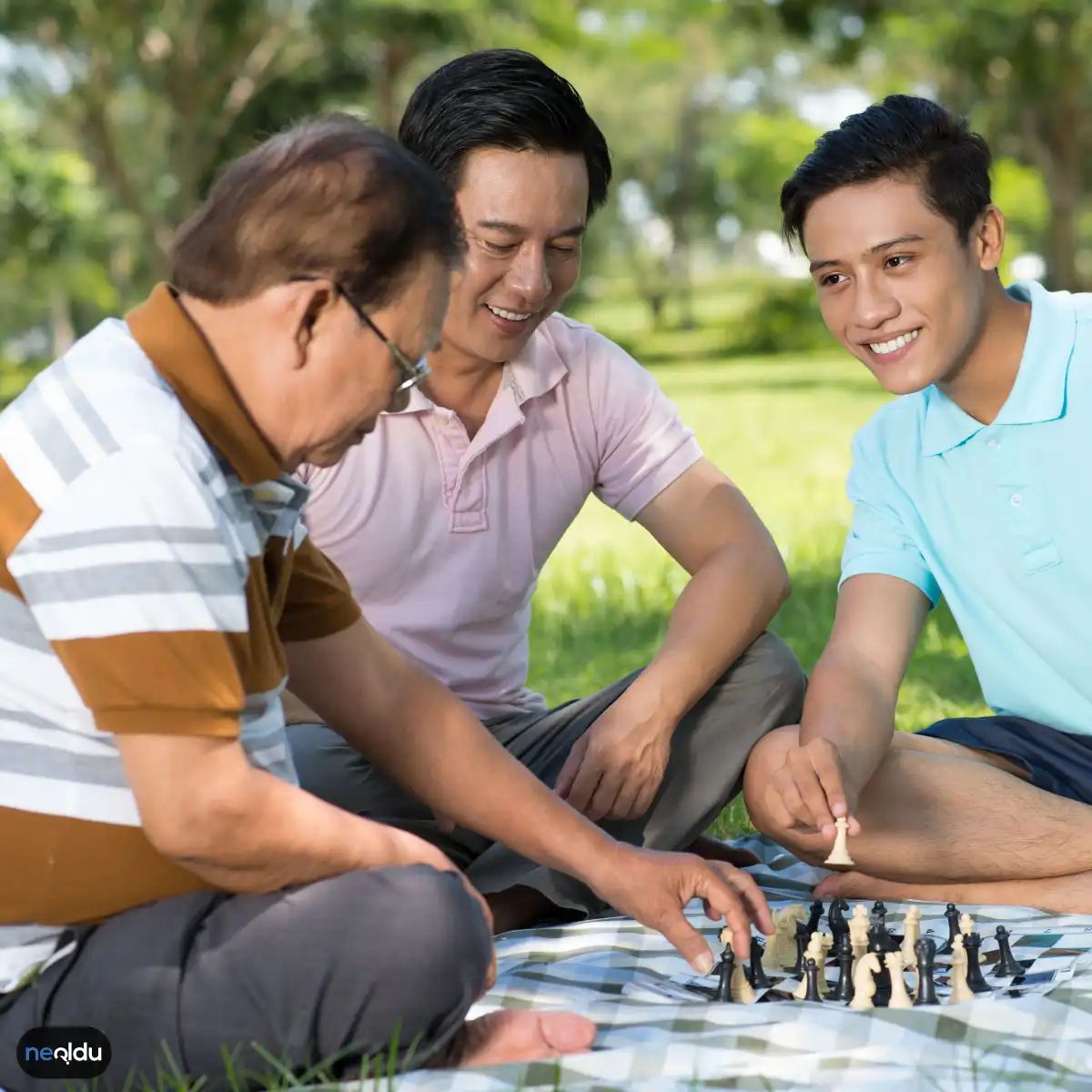
Satrancın Beyin Sağlığına Etkisi
Yaş ne olursa olsun, beyin kaslarını çalıştırmak için satranç iyi bir araçtır. Ama faydalar herkes için aynı değil.
Çocuklarda işler mantık ve planlama üzerine döner. Bir hamleyi atmadan önce sonucu düşünmek zorunludur. Bu süreç, problem çözme yeteneğini doğrudan geliştirir. Odaklanma süresi uzar. Matematiksel düşünce biçiminde de belirgin bir artış görülür. Sayılarla değil, ilişkilerle oynamayı öğrenirler.
Gençler için hikaye biraz farklı. Beyin sağlığından bahsedebiliriz, evet. Ama asıl vurgu liderlik ve iletişim üzerinde. Turnuvalar sadece rekabet alanı değil, aynı zamanda sosyal laboratuvar. Diğer oyuncularla yüzleşmek, kurallar çerçevesinde işbirliği yapmak ve kaybetmeyi yönetmek üzerine derstir.
Yaşlılar için ise durum tamamen koruma ve güçlendirme üzerine. Hafıza zayıflamaya başladığında satranç, nöral yolları yeniden canlandırabilir. Dikkat ve konsantrasyon becerilerini taze tutar. En önemlisi sosyal izolasyonu kırar. Tek başına oturmaktan kurtulup, masada başka bir zihinle etkileşime girmek beyin fonksiyonlarını korumada kritik rol oynar.
Satranç, pasif bir aktivite değildir. Her hamle, beyinde yeni bir bağlantı kurma isteğidir.
Kısacası, hangi yaşta olursanız olun, tahtanın karşısına geçmek beyne bir spor yapmaktan farksızdır. Sadece hamle yapmak yetmez, niyetin de doğru olması gerekir.
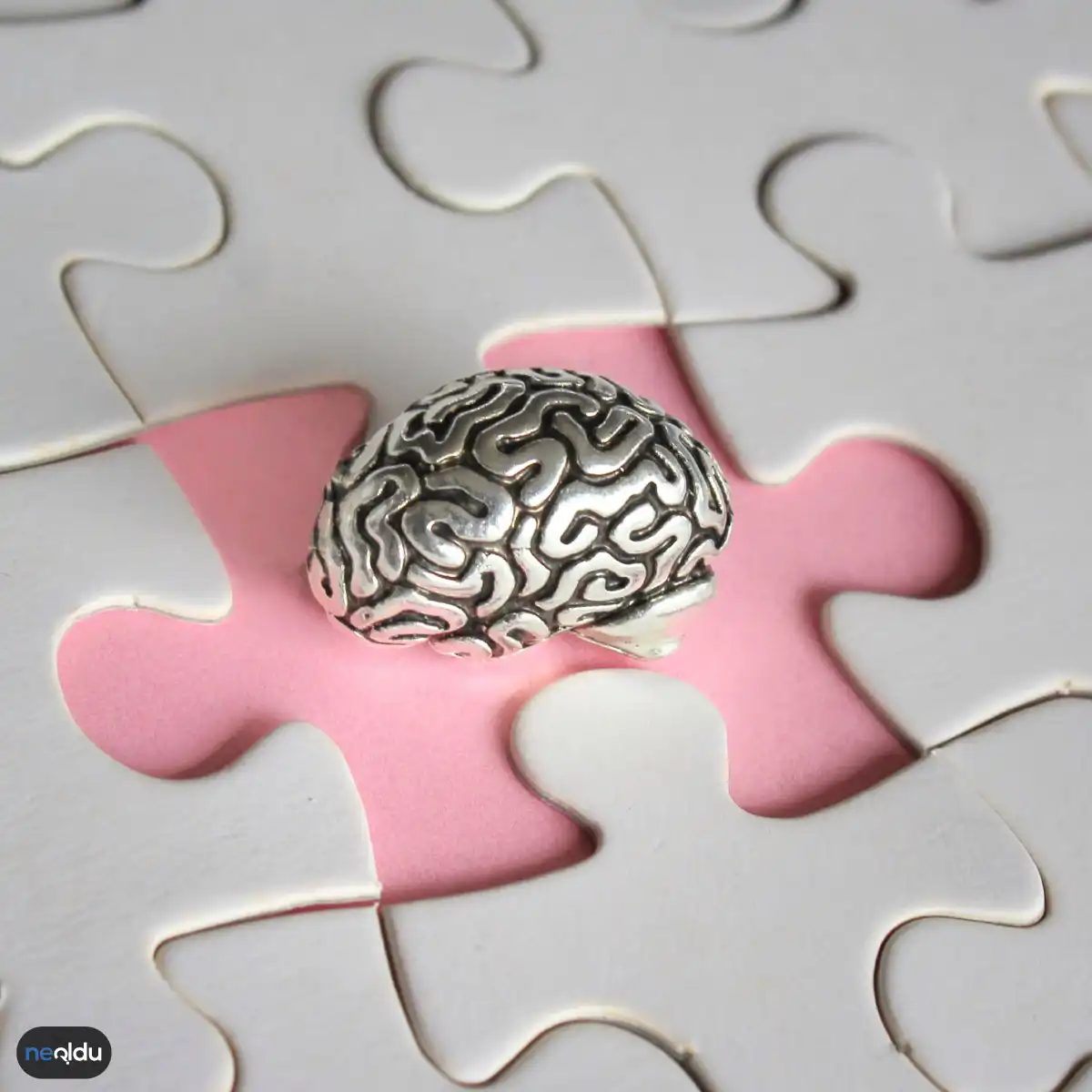
Why your brain actually likes the stress of chess
It is not just about moving pieces on a board. It is a workout.
Studies suggest that playing chess might lower the risk of Alzheimer’s and dementia. That is a heavy claim, but the data points toward cognitive protection. Your brain keeps its functions sharp. It stays engaged.
How does this mental maintenance work?
It hits multiple areas at once. You are solving problems. You are planning three moves ahead. It forces logical and analytical thinking.
Memory gets a boost. Attention spans lengthen. You cannot zone out when a rook is hanging.
Does it help with math too?
Yes. It sounds abstract, but it is geometric. You calculate sequences. You visualize shapes and spaces on the grid. The numerical and spatial reasoning required translates directly to mathematical skills.
Is it good for stress?
Counterintuitive, right? Yes.
The game demands total focus. When your brain is locked into the strategy, other worries fade. You forget the email you didn’t send. You forget the deadline.
Research shows players of strategy games often report lower anxiety and fewer depressive symptoms. It is a form of active meditation.
Who benefits most?
Everyone. The age group doesn’t matter as much as the engagement.
- Kids build concentration and planning skills.
- Teens develop leadership and foresight.
- Seniors protect cognitive decline.
It is a universal tool for mental fitness.
Getting started
You do not need a degree. You just need a board and pieces. Or a phone.
There are free apps and websites everywhere. Join a local club if you want face-to-face pressure. Play online if you want to play at 2 AM.
Start simple. Learn the moves. Play a game. Lose. Play again.
The board is waiting.


