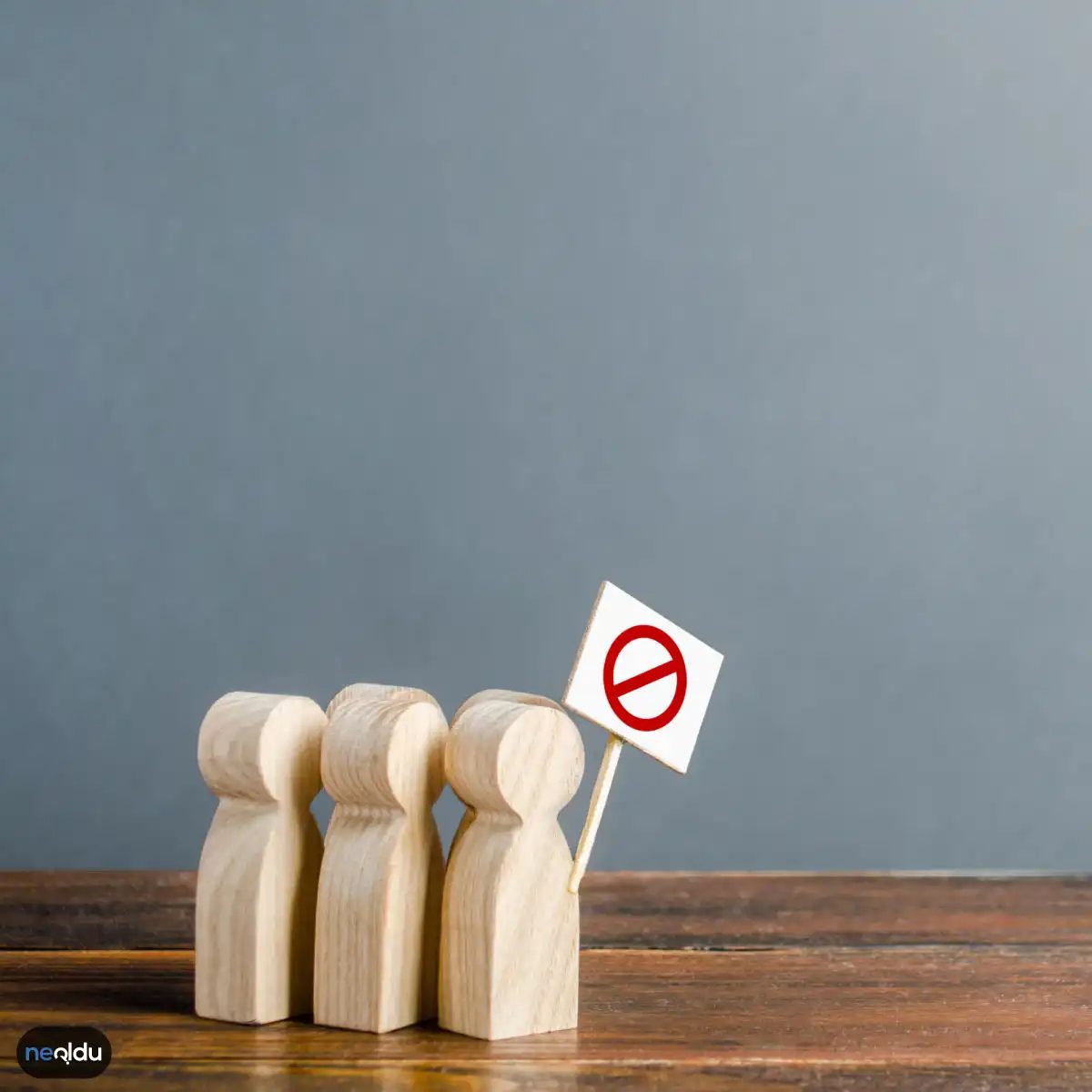
The media seems to exist for the sake of accuracy and impartiality of news. But the reality is more complex. The Propaganda Model, developed by Edward Herman and Noam Chomsky, suggests that news is actually shaped by structural constraints rather than released information. This model reveals the connections of media outlets with economy and politics. Conclusion? The assumption that news is always objective is questioned.
This is a simple warning for readers. Instead of taking the news as it is, it is necessary to ask the question of what forces are behind it. In our article, we examine how media pressure works by detailing the four main components of this model.
How Does Media Sanitizer Work?
News production takes place through predetermined filters, rather than starting from a blank page. According to Herman and Chomsky, media institutions are not independent transmitters of information, but institutions that represent certain interests.
In this context, the propaganda model implies that if media owners or sponsors provide support for a particular policy, news will be filtered in accordance with these expectations. While the reader thinks that the news is a “natural” reflection, he is actually faced with a selected perspective. This process creates the need for critical media literacy.
Why Is It Important to Understand This Model?
Nowadays, information pollution has increased. It becomes difficult to separate factual information from fiction. The Propaganda Model provides a means to unravel this complex knot.
- Shows the Balance of Power: Explains who the media works for.
- Gives Critical Perspective: Teaches to question the news.
- Reviews the Perception of Objectivity: It questions the myth of impartiality.
This model moves the reader from a passive consumer to an active questioner.
The idea of picking up a newspaper or scrolling through a feed to enter a pure, unfiltered world is often just a comforting myth. This is a good story. But when you take a closer look at how information actually moves from source to screen, cracks start to appear. This is where the Propaganda Model comes into play. Developed by Edward S. Herman and Noam Chomsky, this theory is more of a structural analysis than a conspiracy theory. This raises a simple but troubling question: who pays the bill?
This model eliminates the assumption that media organizations are independent watchdogs. In fact, they are a business. Like any other business, its survival depends on certain internal and external forces. These forces don’t just affect the news; They filter it. They decide what to shout and what to keep quiet.
1. Media Owners
Let’s start from the top. You can’t talk about news without talking about money. Most major news organizations are not owned by the general public or even by journalists. They are owned by massive conglomerates.
Think of the major networks and publishers in the US or Europe. They are often part of large companies with different business interests. Media companies may own news channels, but they may also manufacture defense equipment, produce military contracts, or own large stakes in other industries.
The main filter is ownership. If the parent company has a vested interest in a particular policy or conflict, that interest can be a blind spot for reporting.
This doesn’t necessarily mean that the CEO wakes up and says “print this story”. More subtle. It’s about self-censorship. Editors and producers know who their boss is. They know what projects are coming up. They know which politicians and companies are friendly to the parent company. The result is a subtle alignment of interests. Stories that threaten these interests were buried. Stories that align are promoted.
2. The Advertising License to Operate
If the owner provides the first layer, the advertiser provide the second. In the commercial media model, the advertiser is the customer.
Herman and Chomsky argue that the media does not sell news to the public. It sells public attention to advertisers. This flips the traditional understanding of who has power. The audience is the product.
This dynamic creates strong incentives to cater to affluent demographics. Why? Because wealthy consumers are the most attractive buyers of high-end goods.
- Content Bias: News programs and magazines subtly gravitate toward content that attracts high-income viewers.
- Suppression of anti-corporate views: There are risks involved in taking a hard look at corporate malpractice, labor rights, and environmental damage. You don’t want to alienate the people who buy your ad space.
So you might notice a pattern. Economic criticism of capitalism is often muted or presented in ways that do not fundamentally challenge the system. At the same time, lifestyle content, luxury products and consumerism are also increasing. because the status quo pays the bills, the media becomes a tool to maintain the status quo.
3. Sourcing as Mass Self-Censorship
This is where the rubber meets the road in the daily news cycle. How do reporters get their information? They don’t have time to dig into all the stories
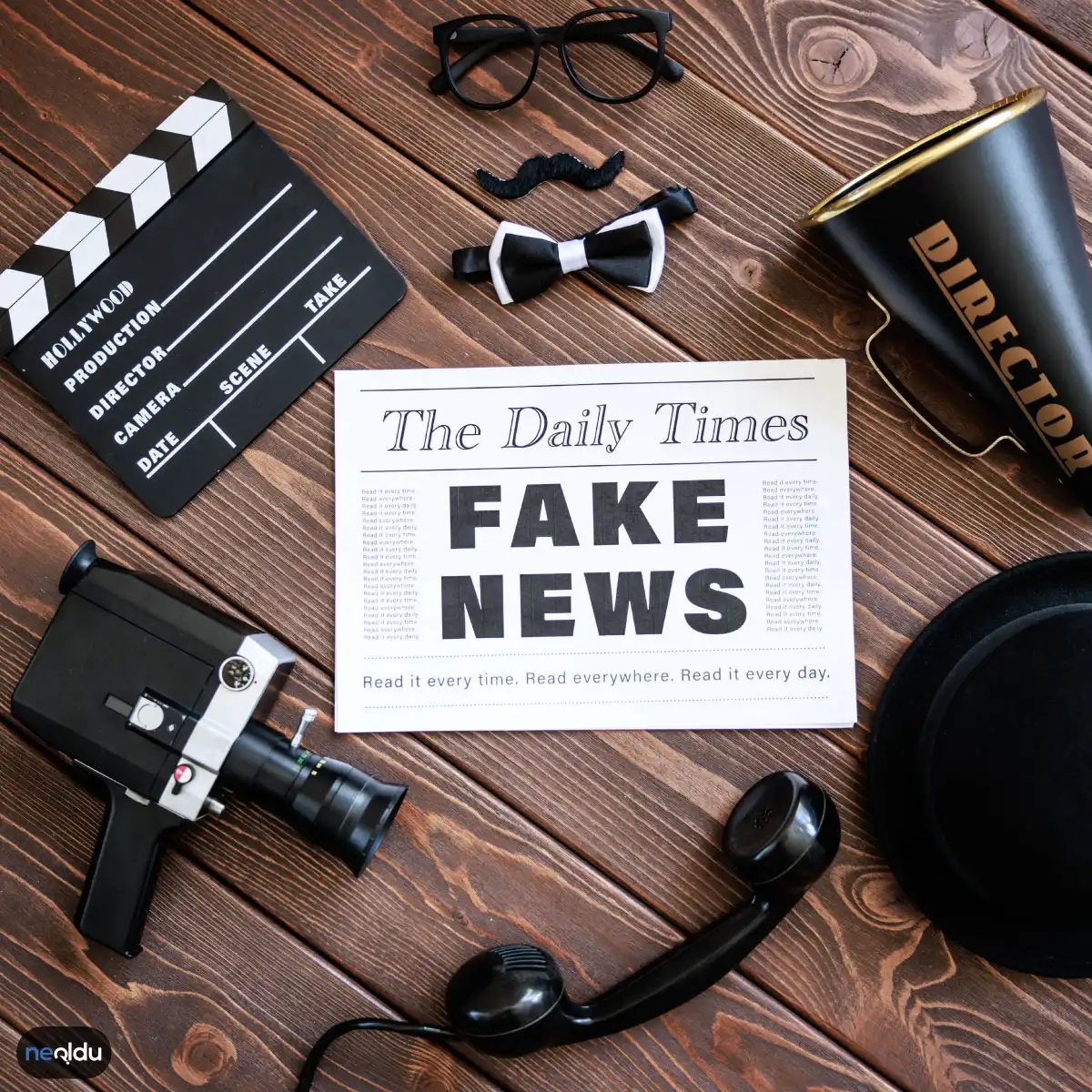
Media owners are the first and most obvious filter in Herman and Chomsky’s Propaganda Model. The truth is that most news venues are controlled by large conglomerates or investment funds. So what’s the point? Profit maximization.
This simple fact profoundly impacts content creation.
In order to increase their income, media organizations tend to systematically remain silent on some issues. Is silence a form of censorship? Yes, but more secretly.
The influence of large holdings on the media is reflected not only in the publication of the news, but also in its presentation. Highlighting certain issues and overshadowing other issues. This is a standard method used to protect the interests of large corporations.
Profit Oriented Media Strategy
The influence of media owners undermines claims to impartiality.
Owners can sometimes also protect direct political interests. To support a political party or candidate in the election. Or to headline news that reflects one’s own political views. This situation directly harms the independence of media organs.
Why is it important? Because this dynamic raises serious questions about the objectivity of the news. It is not a coincidence that the Propaganda Model emphasizes this point. The influence of media owners is a key factor in shaping news.
“The profit maximization goal is a filter that directly affects editorial decisions.”
2. Advertisers
The second filter is even more dominant.
Advertisers are the largest source of income for media organizations. This means they have strong bargaining power. Media outlets shape their content according to this source in order to avoid the dissatisfaction of advertisers.
What topics should not be mentioned?
Criticisms that could harm advertisers’ business. Tech giants, pharmaceutical companies or energy lobbies… All of these account for a large share of media budgets. Therefore, news that goes against their interests is either toned down or completely censored.
How does this process work?
Direct intervention is not always obvious. Rather, it results in “self-censorship” by editorial teams. Journalists internalize which topics are perceived as “weird” or “risky.”
As a result, the presence of advertisers is one of the most powerful factors determining the news agenda. This creates a practical limit that restricts public access to information.

Advertisers. They are not just a budget item. They also work as the backbone of the media.
This is the second and perhaps most visible leg of Herman and Chomsky’s Propaganda Model. Media organizations receive huge amounts of money from businesses. This flow of money directly affects content production.
How?
There’s a simple trade-off. Money comes in, but sensitive issues are not touched in return. Some events stand out. Others disappear into silence.
Advertiser Pressure and Content Censorship
Think about it. Think of a large technology company. This company advertises on leading news portals and television channels.
Now the CEO of that company should be arrested in the tax evasion scandal.
What do editors in the newsroom do?
Usually it’s a minor error. It does not attract attention. Or, in much milder language, it is dismissed as an “administrative process”.
From where?
Because losing that company means losing some of its advertising revenue. They don’t want to take this risk.
This situation damages the objectivity of the news. The neutrality claim bends with the weight of the coins. Media independence is beginning to tremble in the face of advertiser discontent.
Sometimes this pressure is obvious. It is said, “Don’t write this.”
Sometimes it is indirect. Advertisers stop advertising on channels with negative news about them. This is a punishment.
As a result, the accuracy of the news becomes secondary. Advertiser satisfaction becomes primary.
“Media outlets tend to ignore some topics or highlight some topics to meet advertisers’ demands.”
This dynamic forms the core of the Propaganda Model. Advertisers are like the invisible ink of the news production process. They are invisible, but they paint everything.
Resources

3. Sources: The Food Source of News
Media outlets do not get their news from the air. They rely on specific, tightly-knit resources. These sources include governments, large corporations, political groups, and people called “experts.” But the critical point here is that all of these sources have an interest. And that interest directly determines what will be included in the media’s news and how it will be presented.
How does this work in daily practice? Simple. A government official holds a press briefing. Media is the only source of information currently accessible. Conclusion? News is shaped according to the government’s framework. The same logic applies to companies. If a technology giant introduces a new product, the technology media highlights the features of that product. Competing companies or possible security vulnerabilities are pushed to the background.
Source dependency is a factor that directly threatens the impartiality of the news.
This situation raises serious questions about objectivity. News content tends to reflect the perspective desired by the source, not just the reality of the event. Those outside a certain point of view are eliminated through filters in the editorial process.
Even more dangerous is hiding information. Some sources hold information that may be harmful to them. If a company doesn’t want to expose the dangerous aspects of its product, it only shows journalists the “good” sides. The journalist cannot get that information either. Because there is no access. This means incomplete and therefore misleading news.
As a result, sources are not just people who provide data, but actors who shape the direction of the news. In Herman and Chomsky’s Propaganda Model, this point draws the limits of media independence. So how does the media get out of this vicious situation?
The answer is simple but difficult to implement: Diversity. If the news is taken from a single source, the bias of that source also permeates the news. In order to make accurate news, information must be verified from different, opposing sources. Comparing different perspectives replaces one-sided narrative with polyphony. Otherwise, the media will continue to be only the megaphone of the powerful.
4. Sanctioning Institutions

The fourth component, sanctioning institutions, comes into play. These are not just those who criticize, but also those who silence. Media organs are under direct or indirect pressure. Even when the veracity of a news story is disputed, the conclusions can be the same: protect yourself.
Media organizations are careful when determining their stance on criticism. They are calculating which issues to ignore in order to attract less reaction. This may undermine the claims of objectivity and impartiality. An invisible border is being drawn.
The situation becomes clear especially when companies get involved. If a major company criticizes a media outlet’s reporting, the risk increases. Advertising revenues are at risk. Fear shapes editorial decisions. Negative news can mean loss of income. That’s why it’s avoided.
This dynamic shows how limited media freedom really is. Criticism directly affects the way you work. Staying silent on some issues, highlighting others… These are not random choices. They are done because they provide an advantage.
The Propaganda Model points to a critical point here. Sanctioning institutions not only criticize but also directly shape news production. Independence and impartiality are tested under these pressures.
5. Anti-communism ideology
The fifth component appears as an ideological filter. Anti-communism ideology serves as a critical keyword for understanding how media filtered content, especially during and after the Cold War. This was not just a political attitude, but a control mechanism.
During the Cold War, media organizations worked to highlight the threat of communism and defend western values. In this process, anti-communism turned into a test of “patriotism”. Criticisms were often labeled as “communist sympathies” or “betrayal of the state.”
This ideology played a key role in determining what news was “appropriate.” Those who supported anti-war movements, socialist policies, or criticized state policies could be accused of communist propaganda. Conclusion? In their defense, media outlets covered such topics less or marginalized them.
Why such a harsh filter? Because anti-communism was a source of legitimacy. The state and large companies legitimize their own policies using this ideology.

The Propaganda Model developed by Edward Herman and Noam Chomsky focuses on more than money and ownership. It goes deep into ideology. In particular, it highlights how anti-communism served as an effective filter during the Cold War.
This is not a subtle effect. It is the dominant power in the West.
Western media largely adopts this worldview. Why? Because that was the climate politics of the time. result? The distorted lens focused on the Soviet Union and other communist countries.
The lens of distrust
Anti-communism was more than just an opinion. It determines the structure of the story.
When the media reports on the Soviet Union or the Eastern Bloc, the default setting is negative. It doesn’t necessarily mean lying. It’s all about the frame.
Consider strikes in communist countries. Workers’ protests can be caused by low wages and poor working conditions. Neutral reports focus on the economy.
The anti-communist filters saw something else. It looks at the “evidence” of systemic failure.
This story is not just about wages. It becomes an indictment of the whole ideology.
It creates a one-sided reality. The truth is filtered through existing prejudices. If the system is communist, it is inherently flawed. If the workers protest, the system is broken. Simple economic grievances became political weapons.
Amplifying the Opposition
This bias also works in the opposite direction.
Events according to Western values are getting stronger. The activities of anti-communist groups received favorable attention. These groups are often portrayed as freedom fighters, although their motivations are complex.
The media didn’t just report on them. They supported them.
This is not always clear. This is structural. Sources representing anti-communist views became more accessible. Their stories fit into existing stories. It’s hard to hear the voices of the competition.
Why this matters to discerning readers
The propaganda model considers media independence an illusion.
Herman and Chomsky show that “neutrality” often means simply complacency. During the Cold War, this status quo was fiercely anti-communist.
This affects how we read the news today.
When you see articles about geopolitical rivals, ask yourself:
1. Is this fact or ideology?
2. Whose perspective is missing?
3. Does this story align with existing prejudices?
The model suggests that complete objectivity is rare. Power determines what is printed. Ideology determines how it is written.
The Model’s Legacy
Does this still apply?
Yes. The specific enemy changed from the Soviet Union to other targets. But the mechanics remain.
The media is still under political and financial pressure. The desire to have powerful sources continues to affect coverage. The need to conform to dominant cultural values continues to filter content.
Understanding this will help you decode headlines. It reminds us to look beyond the superficial.
- Ownership determines the pursuit of profit.
- Advertising forms your audience.
- Sourcing depends on official channels.
- Flak punishes deviation.
- Ideology provides a filter.
Anti-communism was only the most obvious filter of the 20th century. Today, other ideologies play a similar role.
The lesson is don’t ignore all the news. Please take the initiative to read it. Question the framework. Look for gaps.
The truth rarely makes headlines. It’s in the details you choose to investigate.