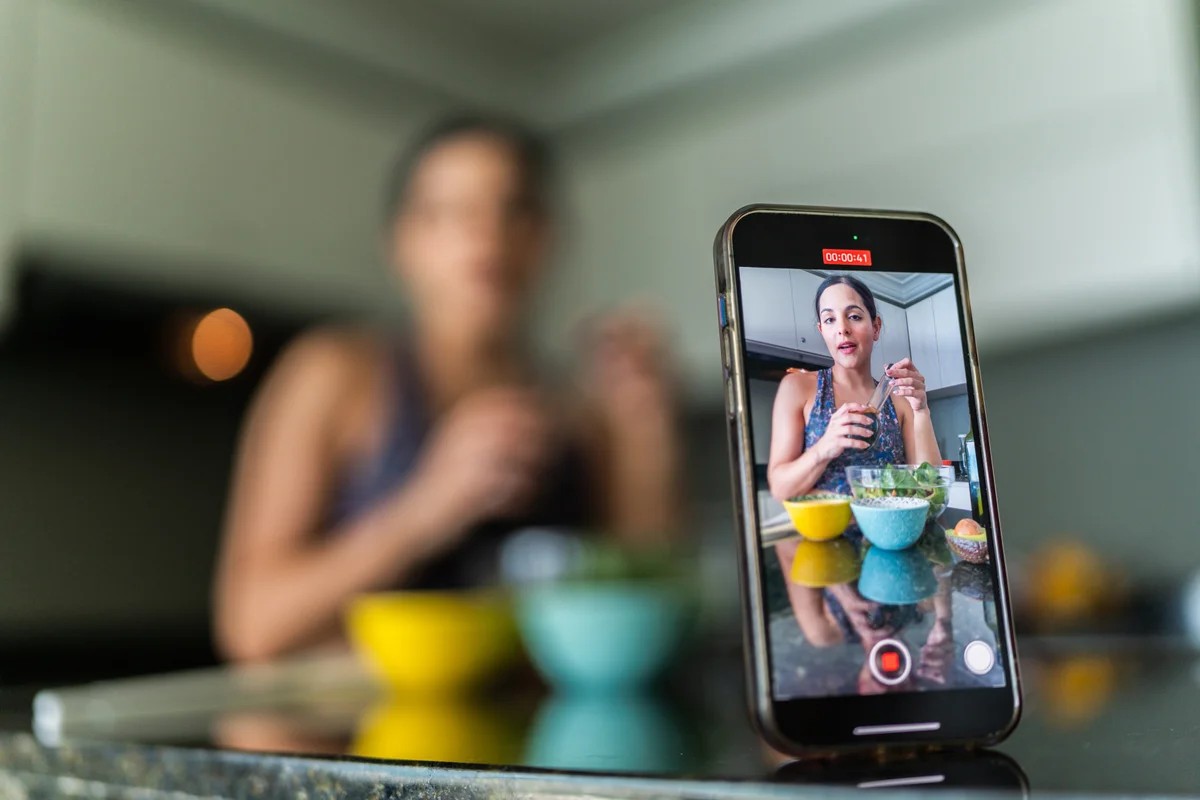
The modern social media feed is saturated with glossy images of toned bodies, rigorous gym routines, and meticulously curated health foods. This genre, known as “fitspiration” (a blend of fitness and inspiration), dominates platforms like TikTok and Instagram. While it presents itself as motivational, a decade of research suggests a darker reality: this content is often detrimental to mental health, fostering negative self-image and encouraging disordered eating habits.
Valerie Gruest, a researcher at Northwestern University and former Olympic swimmer, recently published a meta-analysis in Health Communication examining ten years of data on this phenomenon. Her findings reveal that while fitspiration aims to promote an active lifestyle, it frequently does so by pushing unattainable body standards that prioritize aesthetics over actual health.
From ‘Thinspiration’ to Mainstream Fitness
Fitspiration did not emerge in a vacuum. Its roots lie in early internet communities focused on “thinspiration,” where users shared imagery of emaciated bodies to encourage extreme weight loss. As platforms like Tumblr and Pinterest cracked down on pro-eating disorder content, the aesthetic shifted. The focus moved from sheer thinness to a “toned” ideal—often depicted through selfies in sportswear.
This evolution allowed the content to go mainstream. Brands and influencers adopted the trend, embedding it into wellness marketing. Today, even if the hashtag #fitspiration is less visible, its core elements—strict dieting, intense exercise, and visual comparison—are ubiquitous in digital feeds.
“It’s incredible how people are responding to this content,” says Gruest. “It’s so dear to my heart, not only as a researcher but also as an athlete.”
Gruest’s personal background informs her research. Having grown up in an athletic environment with a prevalent eating disorder culture, she witnessed firsthand how the pressure to achieve a specific look can override genuine health goals.
The Myth of Motivation
The central paradox of fitspiration is that it claims to motivate healthier behaviors while simultaneously undermining mental well-being. Gruest’s meta-analysis of 26 studies found consistent negative outcomes for users exposed to this content:
- Increased Social Comparison: Users frequently compare themselves to the idealized images they see.
- Negative Self-Perception: Exposure leads to decreased positive feelings about one’s own body.
- Distorted Motivation: While diet and exercise motivation may increase, it is often driven by a desire to compensate for food intake rather than a focus on health or performance.
This distinction is critical. True athletic performance nutrition focuses on fueling the body, whereas fitspiration often promotes restriction and “earning” food through excessive exercise. As Gruest notes, even elite athletes do not adhere to the extreme, repetitive regimens often showcased online. For the average person, these practices are not only unsustainable but potentially harmful.
The Unattainable Ideal
A significant factor in the mental health impact of fitspiration is the unattainability of the portrayed standards. Achieving a body that is both extremely lean and muscular requires a level of genetic predisposition, nutritional precision, and recovery time that is inaccessible to most people.
This creates a frustrating cycle for users:
1. They are motivated to pursue the ideal.
2. They adopt extreme measures (strict diets, excessive workouts).
3. They fail to achieve the result because it is biologically unrealistic for them.
4. They encounter new content that highlights further “deficiencies,” perpetuating the cycle of inadequacy.
Gruest describes this process as “never ending.” Users feel they must constantly change something about themselves, leading to chronic dissatisfaction and anxiety.
Impact on Younger Generations
The pervasiveness of fitspiration is particularly concerning for younger audiences, who consume social media at unprecedented rates. For many young users, fitness content is one of the primary types of media they encounter daily.
Research indicates that exposure time correlates strongly with body image issues and disordered eating tendencies. The cumulative effect of viewing dozens of idealized images in a short period can reshape a user’s perception of normalcy and beauty.
Gruest’s interviews with young users revealed a lack of agency. Many felt that the content was unavoidable and that they lacked the maturity to curate their feeds effectively until their late twenties. The damage is often subtle, developing over time rather than appearing immediately, which makes it difficult for young users to recognize the harm until significant distress has occurred.
Curating a Healthier Digital Environment
Despite the risks, there are ways to engage with fitness content without falling into the trap of fitspiration. The key lies in intentional curation and self-reflection.
Gruest suggests looking for influencers and content creators who promote a holistic approach to health. This includes discussions on:
– Proper fueling and nutrition for energy, not just restriction.
– The importance of sleep and recovery.
– Listening to the body’s needs rather than adhering to rigid routines.
Users are encouraged to regularly assess their own feeds by asking critical questions:
– How does this content make me feel?
– Does it align with my values and health goals?
– Is it promoting beauty or health?
If content leads to feelings of inadequacy, encourages compensatory exercise, or disrupts social life, it is likely detrimental. Drawing a clear line between the pursuit of health and the pursuit of aesthetic perfection is essential for maintaining a positive relationship with both one’s body and one’s digital environment.
Conclusion
While fitspiration presents itself as a source of motivation, research confirms that it often fosters comparison, inadequacy, and disordered habits. By recognizing the difference between health-focused advice and aesthetic-driven pressure, users can curate their feeds to support genuine well-being rather than unattainable ideals.