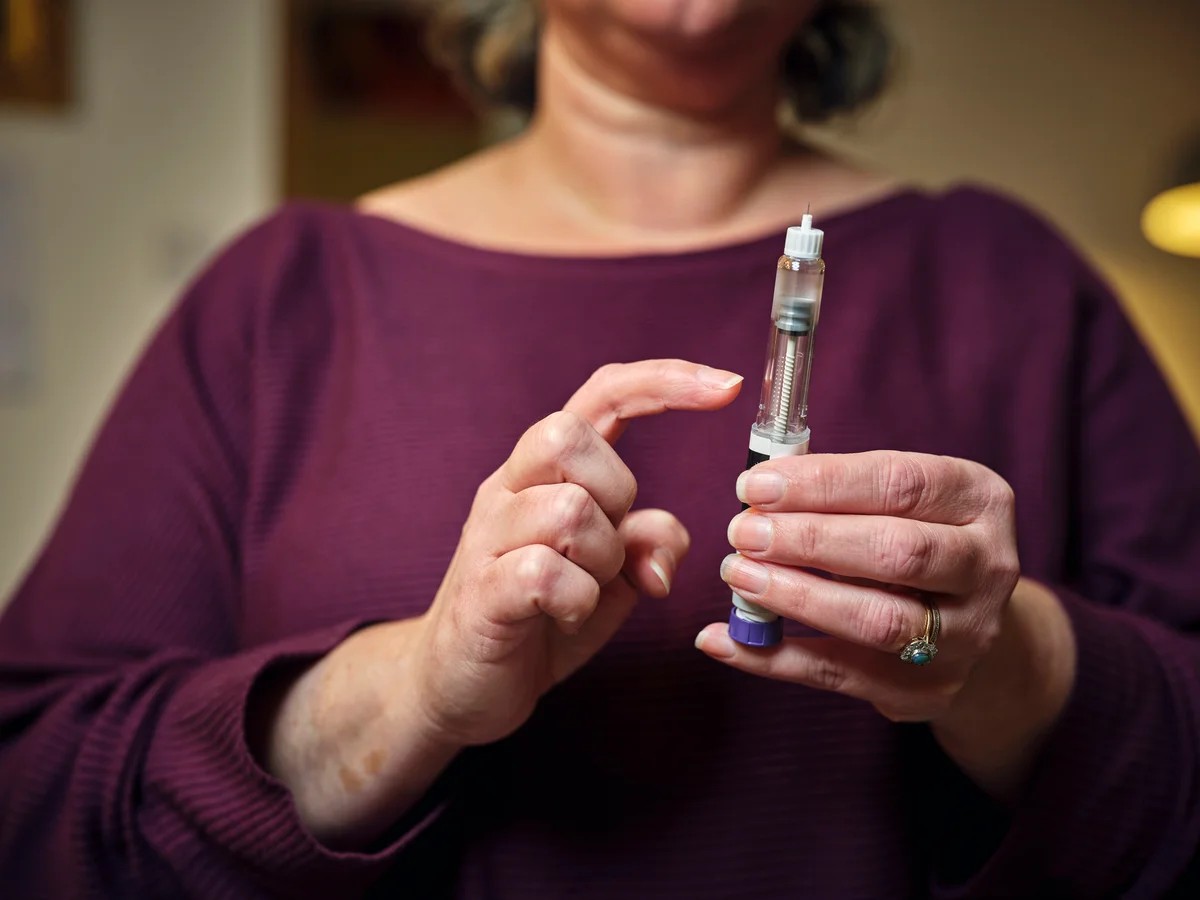
Weight regain is the most persistent challenge in obesity management. Whether patients lose weight through strict dieting or by using popular GLP-1 medications like Wegovy and Zepbound, the scale often ticks back up once the intervention stops. While some experts argue that lifelong medication may be necessary to maintain results, recent research offers two distinct strategies to help patients keep the weight off after discontinuing treatment.
Two independent clinical trials, published recently in Nature Medicine, highlight promising avenues for weight maintenance: a daily oral pill that replaces weekly injections, and a specific bacterial supplement aimed at gut health.
The Challenge of Long-Term Maintenance
Approximately one in eight American adults currently uses GLP-1 drugs to manage diabetes or lose weight. However, the long-term sustainability of these treatments remains a critical question. When patients stop taking injectable GLP-1s, or when dieters end their regimens, the majority regain most of their lost weight.
This phenomenon raises significant questions about the future of obesity care: Is weight loss a temporary fix or a permanent lifestyle change? The new studies suggest that bridging the gap between active weight loss and long-term maintenance is possible, but it may require continued medical or biological intervention.
Strategy 1: Switching from Injections to Daily Pills
The first study focused on orforglipron, a daily oral GLP-1 drug manufactured by Eli Lilly. The research aimed to determine if patients could successfully transition from weekly injections (such as semaglutide or tirzepatide) to a daily pill without regaining significant weight.
Key Findings:
* Participants: Over 370 individuals who had been on injectable GLP-1s for 72 weeks.
* Method: Participants switched to either orforglipron or a placebo.
* Results: After roughly one year, those taking orforglipron maintained significantly more of their weight loss compared to the placebo group.
* They retained 79% of the weight lost on semaglutide and 75% of the weight lost on tirzepatide.
* In contrast, the placebo group retained only 38% and 49%, respectively.
Daniel Drucker, a medicine professor at the University of Toronto, noted that these findings demonstrate the feasibility of switching from injections to a tablet. This option could appeal to patients who prefer daily pills over weekly needles. However, Drucker cautioned that orforglipron (brand name Foundayo) was only recently approved by the FDA, meaning there is less long-term safety data available for it compared to established injectables.
Strategy 2: Gut Bacteria as a Maintenance Tool
The second trial explored a completely different approach: using a supplement containing Akkermansia muciniphila , a pasteurized strain of gut bacteria. This study, funded by the Akkermansia Company, investigated whether modifying gut microbiome composition could help prevent weight regain after dieting.
Key Findings:
* Participants: 84 adults who lost weight on an eight-week low-calorie diet.
* Method: Participants were randomly assigned to take either the A. muciniphila supplement or a placebo while returning to a regular balanced diet.
* Results: After six months, the group taking the bacterial supplement regained less weight. They ended the study with approximately 3 kilograms (about 6.6 lbs) more weight loss than the placebo group.
Ellen Blaak, a professor of human biology at Maastricht University and senior author of the study, described weight regain as the “most important problem” in obesity management. She suggested that A. muciniphila could serve as a valuable tool for individuals who have successfully lost weight but struggle to keep it off.
Despite the positive results, Drucker characterized the effect size as “modest.” While scientifically interesting, it remains unclear how significantly this supplement will impact real-world weight management on a large scale.
What This Means for Patients and Providers
These two studies highlight a shifting landscape in obesity treatment. The field is moving beyond simple weight loss toward sustainable weight maintenance.
- For GLP-1 users: An oral alternative exists that may help preserve weight loss results, though long-term safety profiles are still being established.
- For dieters: Gut health interventions, such as specific bacterial supplements, show promise as adjunctive therapies, though the effects are currently subtle.
Key Takeaway: Preventing weight regain may require ongoing intervention, whether through daily medication or targeted biological support. Neither strategy is a “cure” that allows for unrestricted eating, but both offer new tools to help patients maintain their hard-won progress.
As obesity care evolves, the focus is increasingly on finding sustainable, patient-preferred methods to keep weight off long after the initial treatment phase ends.