



Стародавні кістки показують, що азартні ігри виникли в Північній Америці 12 000 років тому
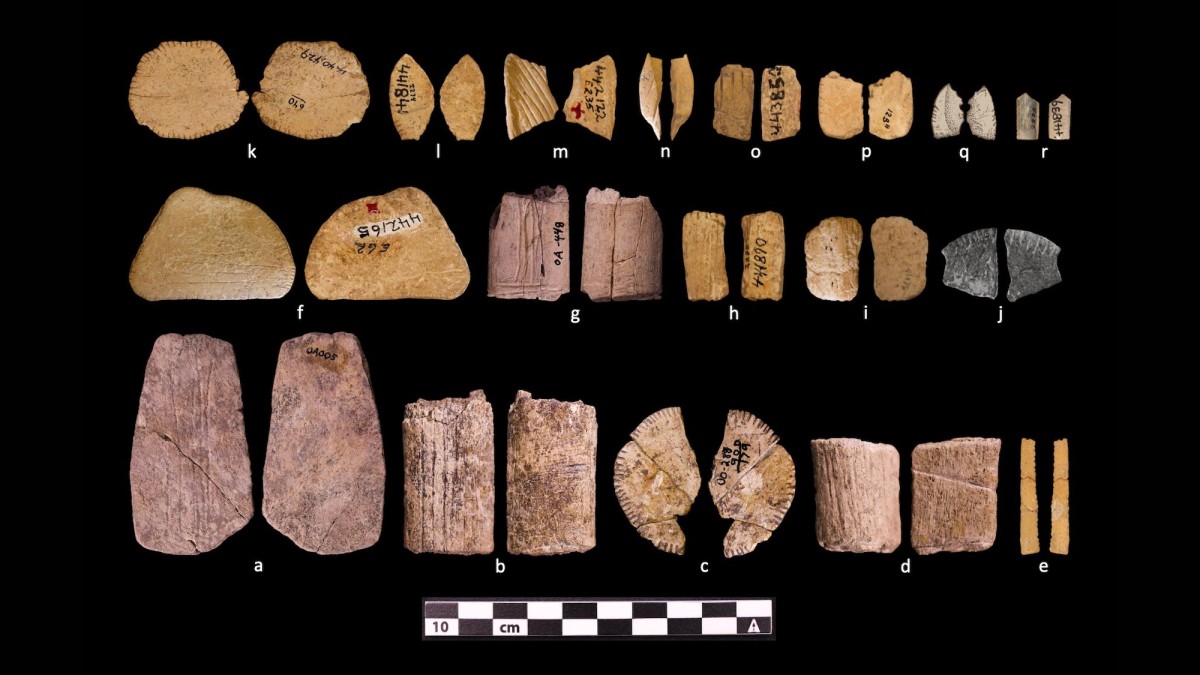
Нові археологічні дані свідчать, що ранні форми азартних ігор виникли над стародавніх цивілізаціях Старого Світу, а Північній Америці понад 12 000 років тому вони. Повторне вивчення артефактів корінних народів показує, що мисливці-збирачі Великих рівнин використовували кістки та інші інструменти, засновані на ймовірності, “тисячі років” тому, задовго до аналогічних знахідок у Європі, Африці та Азії. Ця знахідка кардинально змінює наше розуміння того, як люди вперше взаємодіяли з шансом, ризиком і ранніми математичними концепціями.
Втрачені докази
Десятиліттями історики припускали, що організовані азартні ігри та ймовірнісне мислення виникли близько 5 500 років тому, ґрунтуючись на знахідках багатогранних кісток на Близькому Сході та в Азії. Припущення було простим: ранні свідчення з’явилися у регіонах, які першими досліджували європейці. Однак цей наратив ігнорував величезну кількість уже розкопаного матеріалу у Північній Америці.
1907 року етнограф Стюарт Кулін задокументував майже 300 наборів кісток корінних народів. Більше століття ці предмети відхилялися чи широко класифікувалися як «ігрові предмети». Археолог Університету штату Колорадо Роберт Мадден та його команда застосували новий систематичний аналіз до цих артефактів, ідентифікувавши понад 600 кісток із 57 місць у 12 штатах. Результати були зрозумілі: докази були там завжди, але не вистачало стандартизованої структури для їхнього розпізнавання.
Ранні кістки: простіше, ніж здається
Найстаріші підтверджені кістки датуються 12800-12200 роками до нашої ери і були знайдені у Вайомінгу, Нью-Мексико та Колорадо. Це не були кубічні кістки, які ми знаємо сьогодні. Натомість це були плоскі, двосторонні інструменти, вирізані з кістки – “бінарні жеребки”. Одна сторона була відзначена або пофарбована, щоб розрізняти результати під час кидка. Ці інструменти є випадковими побічними продуктами кісток; вони були навмисно виготовлені до створення випадкових результатів.
Це прості, елегантні інструменти. Але вони також безпомилково цілеспрямовані», – каже Мадден.
Крім розваги: азартні ігри як соціальний інструмент
Поширеність цих кісток по всій Північній Америці вказує на те, що азартні ігри відігравали важливу роль у культурі корінних народів в епоху пізнього плейстоцену. Ці ігри були не просто розвагою; вони були соціальними технологіями. Азартні ігри створювали нейтральні простору для взаємодії різних груп, обміну товарами, формування альянсів та управління невизначеністю.
Дивовижна демографія: жінки як ранні гравці
Мабуть, найдивовижнішим відкриттям є те, що історичні записи показують, що жінки були основними учасницями цих ранніх азартних ігор. Огляд 131 ігрового рахунку показує, що 81% грали виключно жінки, 12% – обидві статі і лише 7% – чоловіки. Це піднімає можливість того, що жінки могли бути лідерами у створенні соціальних та інтелектуальних засад азартних ігор у давній Північній Америці.
Це відкриття принципово змінює наше уявлення про походження азартних ігор, показуючи, що це не винахід пізнього етапу, а людська поведінка, що глибоко вкоренилася, з корінням, що сягає минулого на 12 000 років тому, і в якому жінки були в авангарді.