


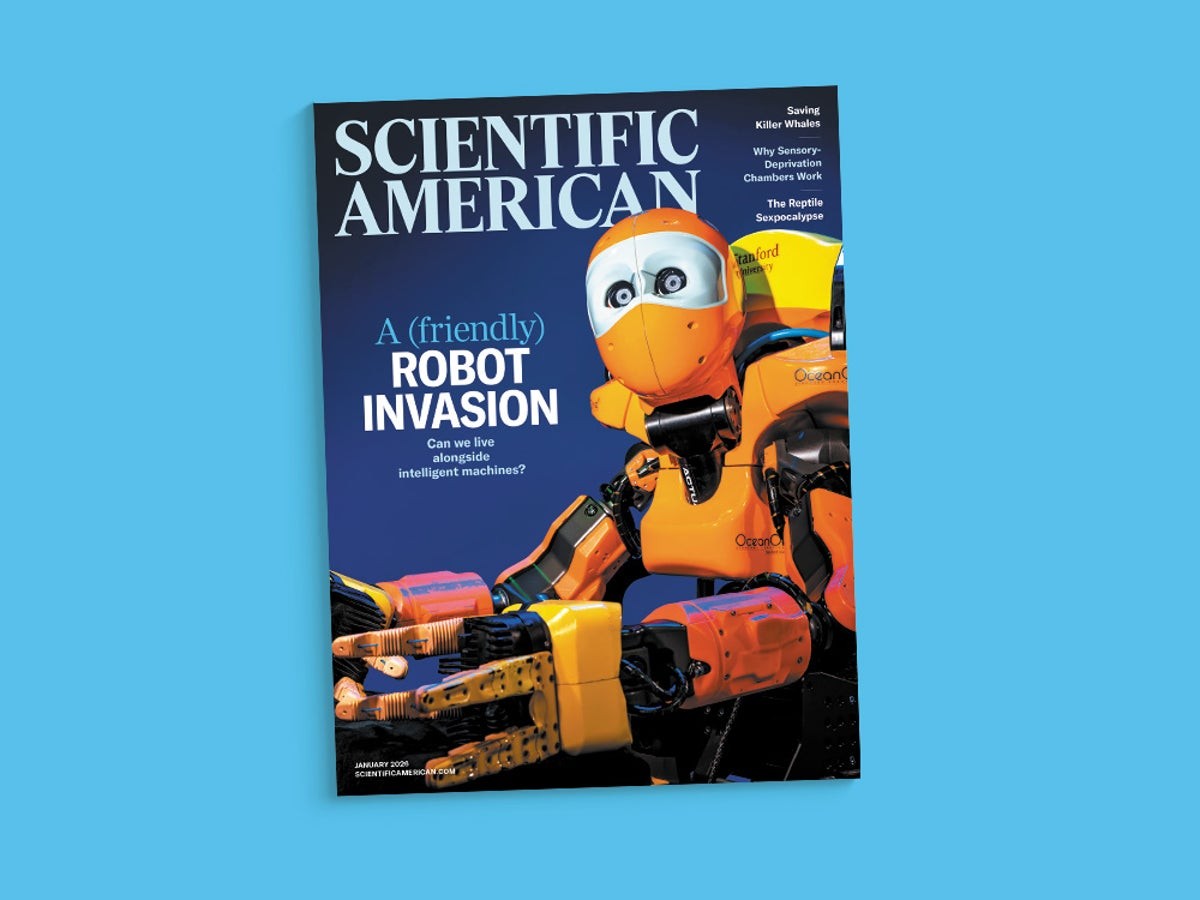
The latest letters from readers reflect a diverse range of reactions to recent scientific reporting, touching on the profound ethical dilemmas of automation, the biological complexities of predator-prey relationships, and the nuances of animal intelligence.
The Friction Between Intelligence and Dexterity
A recurring theme in recent robotics coverage is the widening gap between what machines can “think” and what they can “do.” While Artificial Intelligence has made exponential leaps in reasoning and data processing, physical interaction remains a significant hurdle.
Moravec’s Paradox
One reader highlighted Moravec’s Paradox, a concept established in the 1980s which observes that high-level reasoning requires very little computation, but low-level sensorimotor skills—the kind required to navigate a cluttered room or pick up a delicate object—require enormous computational resources.
This creates a strange technological landscape:
– AI excels at abstract tasks: Analyzing text, playing chess, or diagnosing diseases.
– AI struggles with physical tasks: The “nimbleness” humans acquired through millions of years of evolution remains incredibly difficult to replicate in a machine.
The Human Cost of Automation
Beyond the technical challenges, there is a growing social anxiety regarding the automation of care and labor. If robots take over the intimate tasks of dressing the elderly or cleaning children’s rooms, we face two major questions:
1. Loss of Agency: Does delegating basic life tasks to machines diminish human autonomy and the value of self-sufficiency?
2. Economic Stability: In a world where mechanical hands assemble every product, how will the working class sustain the purchasing power necessary to participate in the economy?
Nature’s Unexpected Combatants
In the biological sciences, recent reports of bats preying on birds have sparked a broader discussion about the often-overlooked vulnerability of bats in the animal kingdom.
While a recent finding confirmed that the greater noctule bat can hunt songbirds, ecological history suggests that birds are often the more dominant predators. From raptors to smaller, more “resourceful” species like the Great Tit, birds have demonstrated surprising behavioral plasticity.
Research has shown that certain birds can transition from an insect-based diet to actively hunting bats—even targeting hibernating individuals in caves. This highlights a critical evolutionary truth: survival often depends on the ability to adapt one’s diet to whatever prey is most available, even if it requires intense physical effort.
Digital Ghosts and Canine Cognition
The intersection of technology and emotion, as well as the limits of animal intelligence, continues to provoke curiosity.
- Digital Grief: The use of AI to create “digital ghosts” of deceased loved ones raises deep philosophical questions. While some find comfort in these simulations, others argue that true closure is found through human connection and the shared stories of the living, rather than through algorithmic recreations.
- The Limits of Dog Intelligence: New research suggests that some dogs can categorize words, distinguishing between different types of play (e.g., “throw” vs. “pull”). This raises an intriguing scientific question: is this purely linguistic, or is it olfactory? It is possible that dogs associate certain words with the specific scents—such as human skin oils—left on specific types of toys.
Summary: Whether examining the mechanical limitations of robots, the predatory shifts in bird populations, or the emotional weight of AI, these reflections underscore a central theme: technological and biological progress is rarely a straight line, often accompanied by unforeseen ethical and ecological consequences.


