Gold doesn’t rust. We all know that. But knowing why has always felt like staring at a closed door.
Two researchers, Santu Biswas and a colleague named Matthew Montemore from Tulane University, just turned the handle. In Physical Review Letters, they laid out the real reason gold holds onto its luster better than copper, iron, or anything else.
It’s not magic. It’s geometry.
“Everyone knows that gold is difficult to oxide,” Biswas noted. He had to emphasize the second part. The thing is, why?
We usually think of oxidation as rust. Or tarnish, depending on your mood. Oxygen attacks the surface, grabs onto metal atoms, and changes the color. It works by stealing electrons. Gold? Gold hoards electrons like a dragon sits on a pile of gold coins. It refuses to share.
That’s part of it. Sure.
But it isn’t enough to explain how stubborn the metal actually is. Biswas and Montemare suspected something else was at play. Something weird.
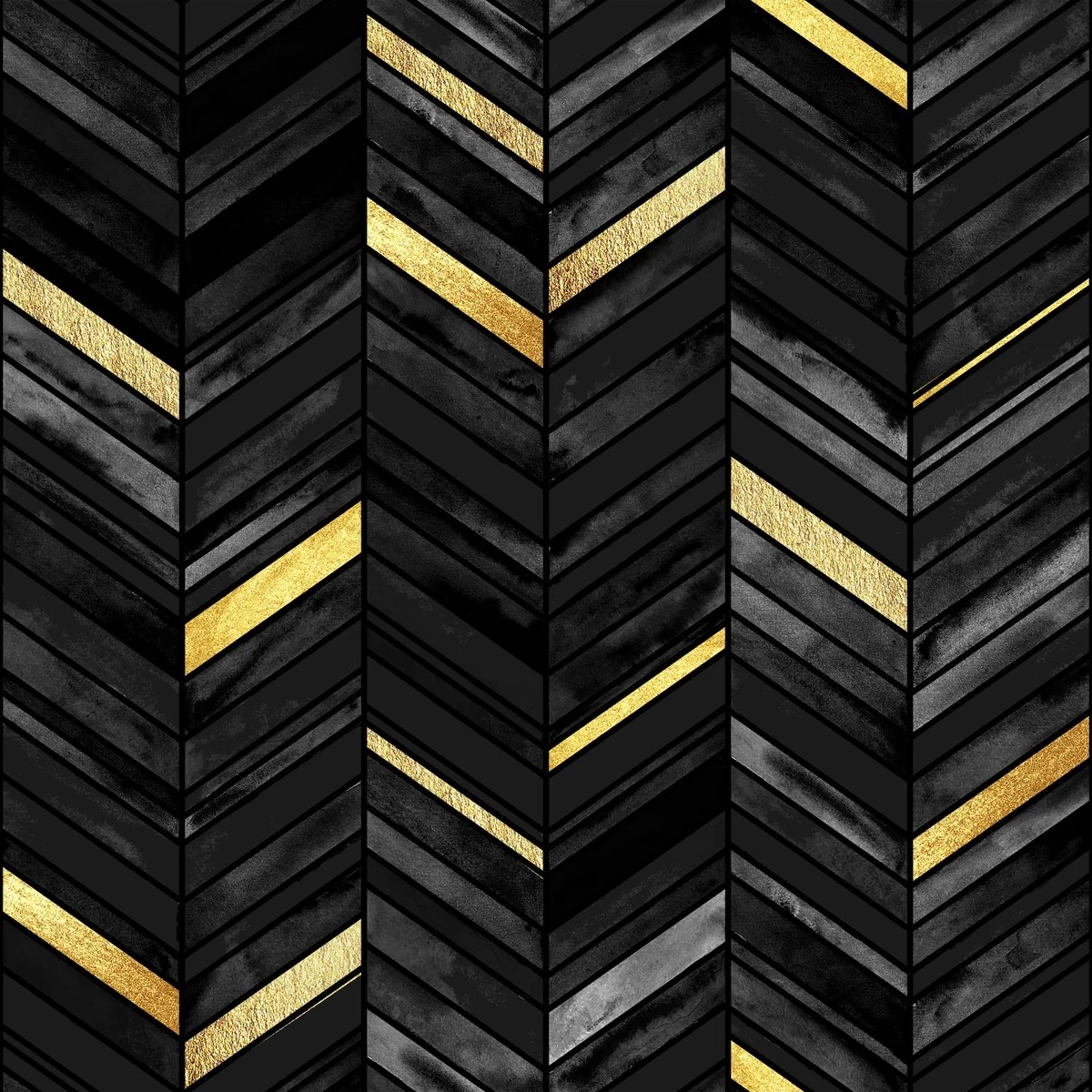
When you cleave a chunk of gold—split it open, fresh surface exposed—the atoms panic. Or rather, they rearrange. In seconds, they shift positions to create a zigzag pattern. Scientists call it surface reconstruction. Under a scanning tunneling microscope, it looks like herringbone woodwork.
The key, they say, is that same chemical trickery.
Before the atoms settle into that jagged, protective zigzag, the gold is vulnerable. Oxygen molecules—which travel in pairs—can break apart and stick. The reaction is cheap on energy. It happens in a blink.
Then the reconstruction happens.
The atoms pull deeper layers up from the bulk of the metal. They jam together. The square grid becomes a dense hexagonal pack. It tightens up.
Why? Because thermodynamic equilibrium likes order. The tight packing allows atoms to swap heat more efficiently. It makes the surface stable. But it creates a wall.
Oxygen can’t get in.
It’s like trying to fit a hand through a clenched fist versus an open palm. The open palm—the raw, fresh surface—is easy to attack. The clenched fist—the reconstructed, herringbone gold—is nearly impervious.
The implications aren’t just about keeping our necklaces shiny.
Chemists want to control this. Biswas suggests that if you cover the gold surface with an absorbent material, you can stop the reconstruction. Keep the surface messy. Keep it vulnerable. Then gold will oxidize. Easily.
That’s a game changer for air filtration. Imagine using gold not just as decoration, but as a sponge for oxygen, stripping it out of gas mixes to purify the rest.
So the next time you look at a gold ring, don’t just think about wealth. Think about the billions of tiny atoms, frantically arranging themselves into zigzags to keep the world at bay.
It’s working pretty well for them so far.