It’s hot. Like, “my skin feels wrong” hot. The heat domes across North America and Europe aren’t letting up. You need to escape. You need cold water, white fur, and whales.
The Beluga Cam is back.
It launches on July 15. Arctic Sea Ice Day. Polar Bears International and explore.org are broadcasting live from Canada. Specifically, from a vessel called The Sea Canary. Or the Beluga Boat, if you’re feeling informal.
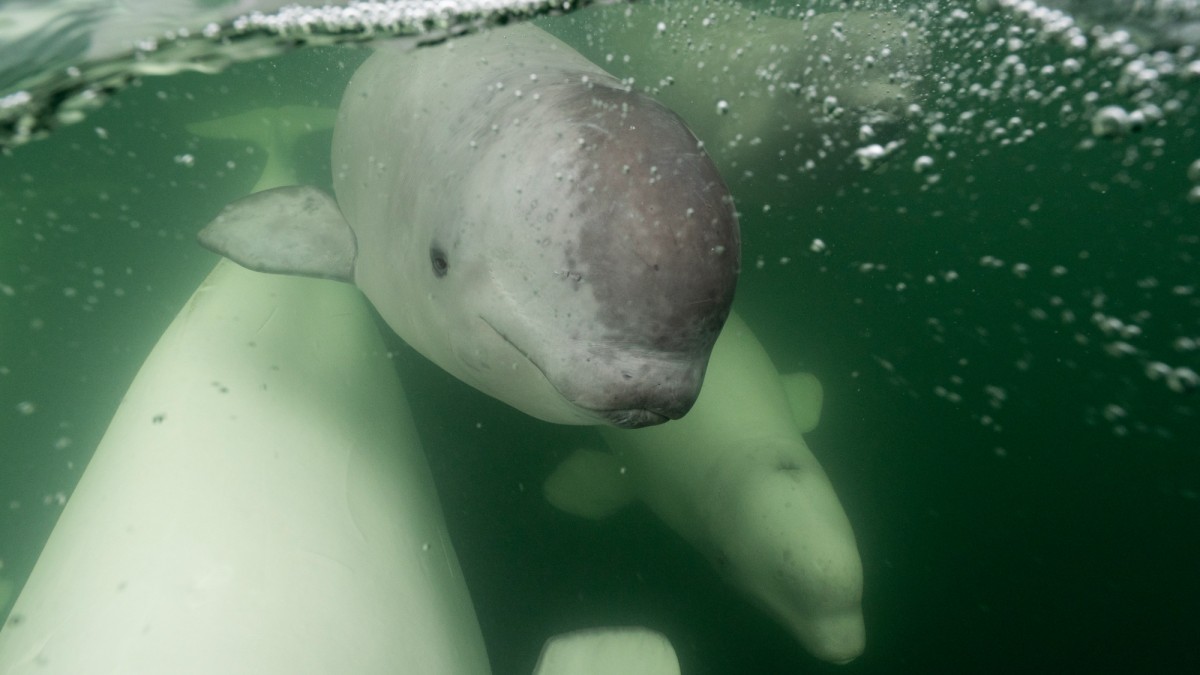
Here’s what you’re watching: roughly 57,000 Beluga whales (Delphinapterus leucas ). They migrate south every summer. When the ice melts, they head to the Churchill River and Hudson Bay. It’s their vacation spot. They eat. They shed skin. They give birth. The water is shallow there. Safe for calves.
Alysa McCall, a biologist at PBI, put it best in 2024:
“You’ll see all these family pods… Moms are taking care of babies… They like to follow the boat in thewake… They bring their babies up to camera and they just talk all the time.”
You’ll see them from above. You’ll see them from below. Hydrophones will pick up the noise. These aren’t shy animals. They want to perform.
And you aren’t just a passive viewer. The feed powers Beluga Bits. That’s a citizen science project. Over 40,0400 people have classified 10 million whale photos. It helps scientists study creatures that are otherwise hard to pin down. Volunteers have even found new jellyfish species in Hudson Bay using this data. Who knew watching whales could yield taxonomy updates?
Watch the live broadcast on July 15 at 10 a.m. or 1:30 p.m. EDT EDT.
There’s more. A new Polar Bear Tracker for Svalbard starts the same day. The Norwegian Polar Institute created it. It tracks two polar bears in the Barents Sea. Svalbard is that archipelago floating between Norway and the Pole.
This follows the older Hudson Bay Tracker. That one’s been running for ten years with the University of Alberta. It got an upgrade too. Animated paths. All year. Keep an eye out for Hope. She adopted a cub last autumn. It’s a bit of a surprise story.
Krista Wright, the PBI director, frames it as a warning, really.
“What happens in the Arctic… doesn’t stay there. Every fraction of warming matters… for our global climate.”
We zoom out from the whales to the bears. From the local ecosystem to the planetary temperature. The screen stays on. The ice stays gone, at least for the summer. The animals remain there.
You do