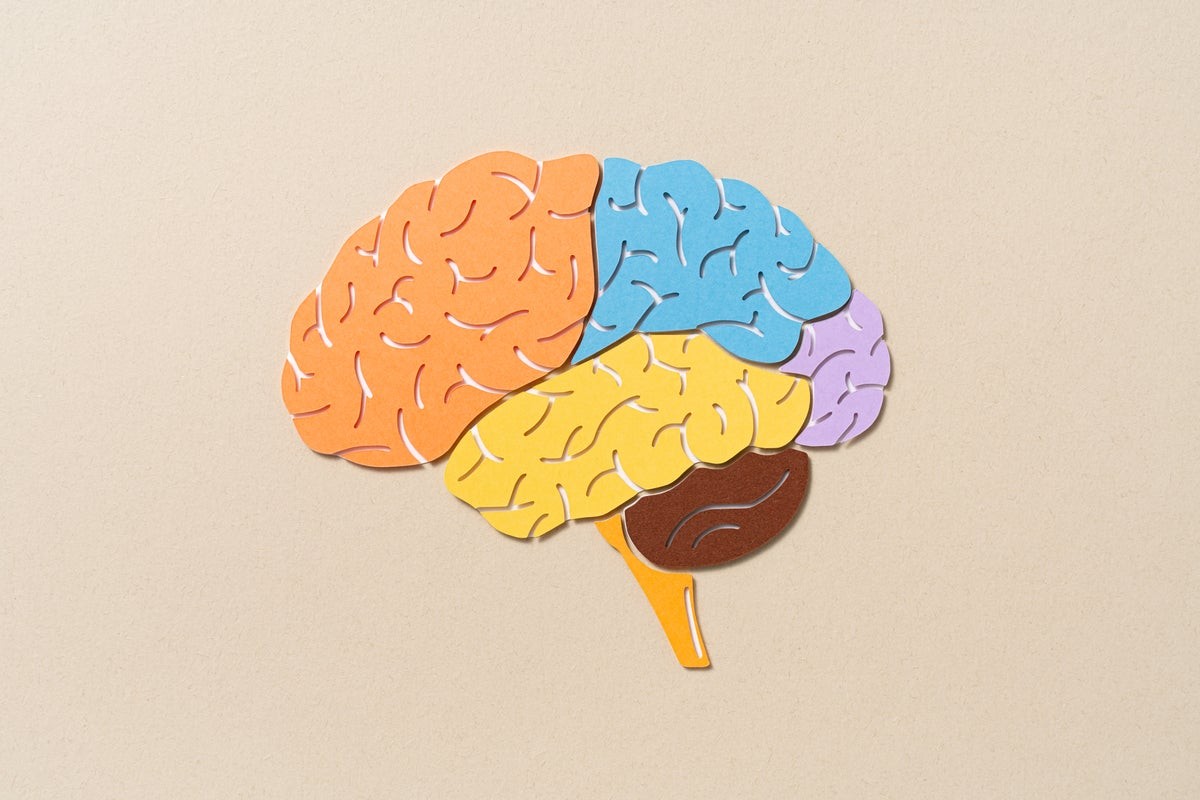
Deadly. That’s the word for childhood brain tumors. Specifically the aggressive ones in the spine and cranium. Families often hit a wall. The treatments are harsh, the options narrow, and the fear is constant. Until now, at least in small, quiet ways.
An experimental immune therapy has just cleared a significant hurdle. Published in Nature Medicine, the early-stage trial outlines a method called tumor-associated antigen TAA T cell therapy. It doesn’t add anything new. It uses what the body already has. Specifically, it recruits a patient’s own T cells to hunt down proteins that pediatric brain tumors love to express.
Three kids in the study really made things interesting. They had recurrent cancer. Aggressive stuff. The kind that laughs at years of chemotherapy and radiation. Standard treatments had failed.
Yet.
More than two and a half years post-treatment, all three are alive. No further therapy required. For one child, the cancer didn’t just shrink. It vanished. Completely gone.
“This study represents an important step,” says Catherine Bollard, co-senior author and chief research officer at Children’s Hospital National. “We were encouraged to see lasting clinical benefit.”
It sounds simple, mostly. The doctors collect T cells from the patient’s blood. These are the immune system’s shock troops. But they don’t engineer them with CRISPR or other genetic hacks like some other therapies do. Instead, the lab looks for T cells that already naturally recognize three specific proteins found in these tumors. They find those few loyal cells, multiply them in a dish until there are thousands, and pour them back into the kid.
The goal? Trigger an immune attack that actually hits.
Brain cancer is a tough nut to crack. Often you can’t just cut it out without wrecking the parts of the brain that tell you to breathe or move your legs. The blood-brain barrier also blocks drugs. So an army from the inside has logic. It fits.
But don’t get ahead of yourself.
This was a Phase 1 trial. The job wasn’t to prove the cure works, it was to see if it killed the patients immediately. Mostly, it didn’t. It was well-tolerated. Mostly. Two kids suffered serious tumor swelling. One child with a brainstem tumor died. The investigators ruled it related to treatment complications at the highest dose tested.
Nobody is popping champagne corks just yet. Tim Hassall, a ped oncologist in Australia who wasn’t part of the study, told New Scientist that it is “encouraging,” but not “the end of the story.” He notes it is just one more step in understanding cellular therapy for these tumors.
Still, large trials loom. They need to prove survival rates improve broadly. Science requires n-numbers, not just anecdotes. But anecdotes have weight here. The three kids who are still breathing, still living their lives after everything was supposed to be over?
Eugene Hwang, a co-senior author, put it best in that same interview:
“These children are getting to grow up. It’s truly awesome.”
For the others, the data is thin. For these few, the gap between statistics and life opened just a crack.
If this story helped you see something clearer, consider helping us keep seeing it. Our award-winning team needs readers to keep digging. A subscription buys the future of stories that actually matter. You are helping shape the news that shapes us.
- Why it matters : Discovery takes funding. Real journalism costs money.
- What you get : Access. Depth. No paywall for impact, but yes for survival.