

Втрата ідентичності трапляється з усіма. Навіть із космічними скелями.
28 серпня 2025 року NASA направило свої «гармати» в небо. Йдеться про Глибоку космічну мережу (DSN). Вченим потрібно встановити зв’язок з астероїдом 1998 SH₃. Ні, 1998 SH₂. Гравітаційні розрахунки вказували, що кам’яне тіло знаходилося приблизно за два мільйони миль від Землі, вчасно здійснюючи черговий проліт поблизу планети. Проте радари мовчали. Нічого не було виявлено.
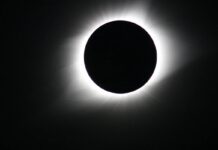
Порожнє небо – Стокове зображення
Астероїд 1998 SH? Зник. Або принаймні виявився не там, де пророкували моделі.
Числа не сходилися. Гравітаційні моделі прогнозували траєкторію, якої більше не існувало. Тому Давиде Фарночча та команда Центру досліджень навколоземних об’єктів у Лабораторії реактивного руху (JPL) змінили тактику. Вони відкинули радари та перейшли до оптичних телескопів. І коли їм нарешті вдалося відшукати цю крапку, що світиться, все змінилося.
То був не астероїд. Це була “комета”.
Різниця між кам’яними світами та крижаними мандрівниками
Чому вони помилялися майже 30 років? Тому що грань між астероїдами і кометами визначається не тільки їх місцезнаходженням, а й складом.
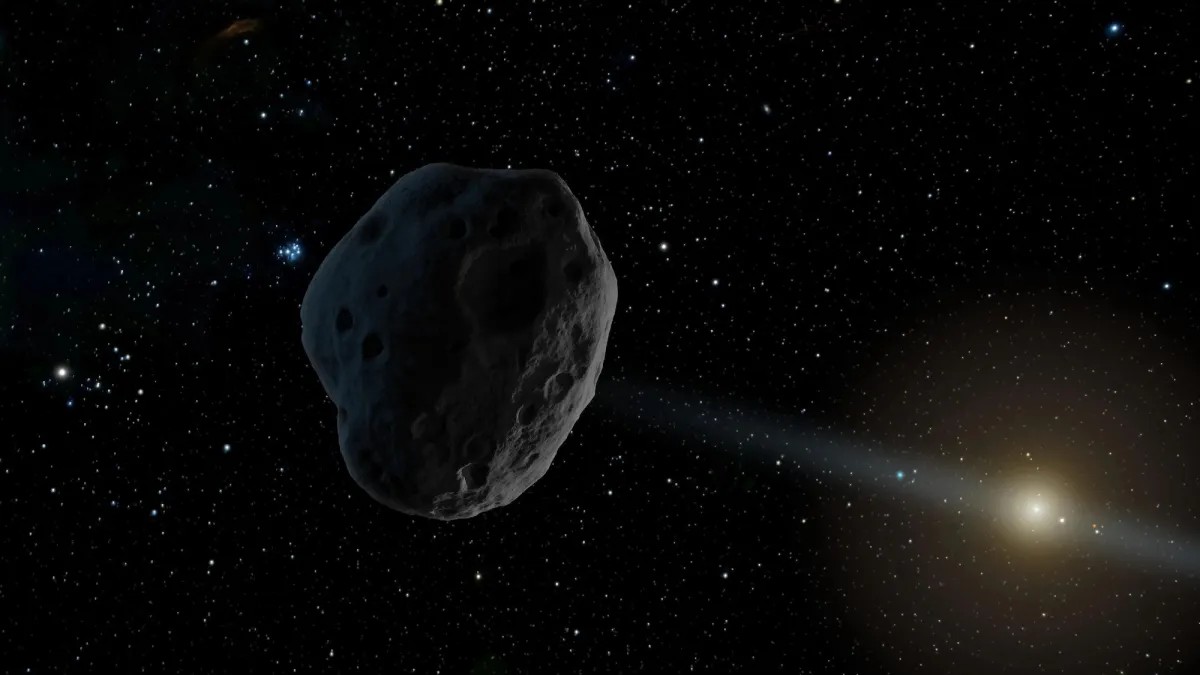
Астероїди – це кам’яні чи металеві тіла. Це будівельні блоки епохи, що залишилися, коли Сонячна система ще формувалася. Вони мало активні: просто обертаються орбітами і існують у просторі. Комети ж зовсім інші. Вони утворюються в темних далеких куточках космосу, складаються із суміші пилу та льоду. Коли Сонце нагріває їх, вони виділяють газ, починають світитися і тягнуть хвости.
1998 SH₂ залишався невидимим з 2016 року. Два витки по орбіті пройшли в тиші. Потім команда наново проаналізувала дані. Уважно подивилась. Вони помітили невелике відхилення. Тонка дія, яку гравітація не могла пояснити.
«Негравітаційні обурення, що впливають на рух 1998 SH₂… були несумісні з тим, що об’єкт є астероїдом», — сказав Фарночча.
Це відхилення? То був поштовх. Слабкий, ледь помітний, але реальний. Наче щось штовхало об’єкт, збиваючи його з розрахованої траєкторії.
Пошук привиду у хвості
Допомога прийшла з Гаваїв та з Чилі. Фарночча зв’язався з Канадсько-французько-гавайським телескопом на Мауна-Кеа та Данським телескопом у Ла-Сільє (Чилі). Одночасно до пошуків включилися спостерігачі на Дуже великому телескопі (VLT) на горі Параналь.
Вони шукали не просто камінь. Вони шукали доказів наявності газу.
Зображення надійшли. Вони були блідими, звісно. Але виразними. Було видно хвіст.
«Зображення… показали слабкий, але чіткий хвіст, що підтвердило, що 1998 SH₂ є кометою », — написав Олів’є Ено, астроном Європейської південної обсерваторії (ESO).
Математика збіглася зі світлом. Поштовх був реальним. Об’єкт непросто дрейфував під впливом гравітації. Він відштовхувався від космічної порожнечі, викидаючи невидимий пил і працюючи на своєму слабкому двигуні.
Чому темні комети важливі для захисту планети
Раніше вважалося, що якщо об’єкт не має яскравої коми, то це астероїд. Виявилося, що ми пропустили цілу категорію об’єктів. Темні комети.
Вперше вони були помічені у 2016 році. З того часу знайдено близько дюжини таких тіл. Це крижані кулі, які ледь світяться. Вони перекидаються і виділяють газ. Але без чудового видовища, притаманного комет Галлея чи «Розетти». Для далекого спостерігача вони виглядають як тьмяне сіре каміння.
Поки що їх природа не розкрита.
Ця помилка має значення. Якщо ви вважаєте об’єкт пасивною скелею, ви плануєте захист відповідним чином. Якщо це активна комета, орбіта змінюється. Її стає складніше передбачити. Їй простіше застати нас зненацька.
Фарночча висловив це прямо. Розуміння цих зрушень допомагає у питаннях планетарного захисту. Нам потрібно знати, чи змінять курси в польоті в об’єктах. Не тому, що вони живі. А тому що вони нестабільні.
Виявлення обурень допомагає зрозуміти, які об’єкти можуть бути кометами, а не астероїдами.
Отже, так. Наука виправляє помилки. Повільно. Перевіряючи порожні простори, де мають бути камені. Довіряючи найменшим помилкам у рівняннях. 1998 SH₂ не зник. Він просто показав своє справжнє обличчя. Тихо. З шепотом льоду.