Fast fixes fail. We know this. School improvement rarely survives the sprint. It survives the marathon.
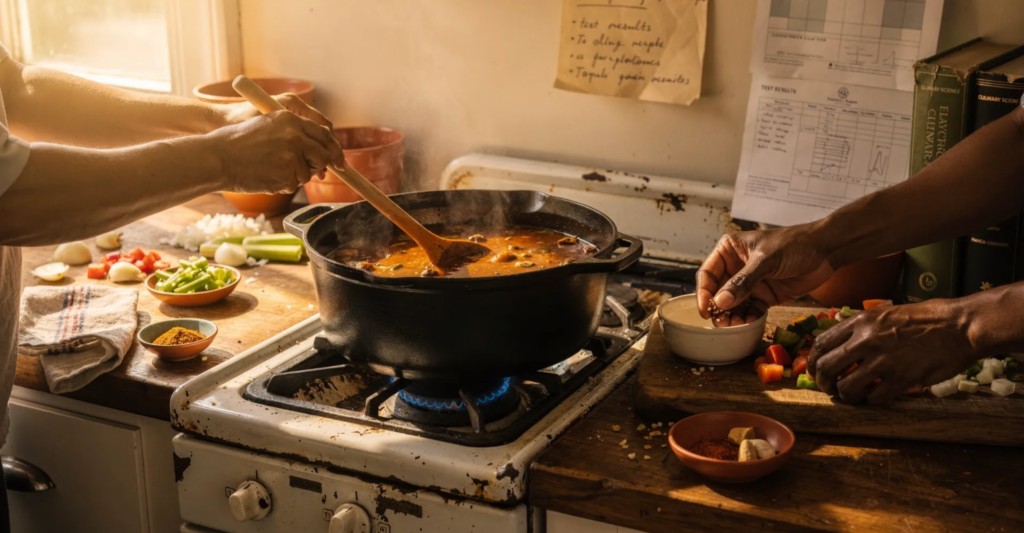
The East Baton Rouge Parish Schools (EBR) in Louisiana tried something different. They treated math reform like gumbo. Not fast food. Gumbo.
It requires patience. Good ingredients. Time in the pot.
Judith Rhodes and Suzanne Navo lay out the lesson. Partnerships aren’t transactional. They’re relational. EBR’s effort proves it. They didn’t drop in a consultant. They built a table.
The Kitchen Crew
Three chefs.
- EBR Schools
- Louisiana State University (Social Research & Evaluation Center)
- Discovery Education
The Gates Foundation funded it via the AIMS Collaboratory. Sure, there was professional development. Coaching. Data crunching. But the real story isn’t the tech or the worksheets.
It’s the partnership.
Without it? Nothing works. With it? Teachers win. Kids win. The structure holds.
Why Local Matters
EBR is huge. Forty thousand students. Eighty-eight schools. Second-largest district in the state.
Complexity? High. Poverty? Significant. Diversity? Abundant. English language learners are growing fast.
Math scores need work.
In a district like this you can’t ship in a pre-packaged solution. You cook with them. Inside their context. Their chaos. Their reality.
The Recipe
Partnership is flavor.
It’s not a buzzword. It’s a method.
- Shared values.
- Honest communication.
- Leadership that actually supports the work.
- An agenda co-created, not handed down.
- Feedback that lands and matters.
- Respect for every partner’s specific expertise.
Research and practice stop being strangers. They talk. In real time.
What’s In The Pot?
Bringing people into a room isn’t a partnership. It’s a meeting.
A true RPP creates structure for the right questions. Practitioners ask them. Researchers ensure the answers are rigorous.
Who contributed?
- 1,096 student survey respondents
- 83 teachers
- 37 students
They brought data from Math Mind Measures and DreamBox. State test scores. Teacher reflections.
The mix was thick.
Stirring Through The Storm
Three years. Many obstacles.
Leaders left. Bureaucracy got in the way. School boards demanded approval.
The gumbo nearly boiled over.
This is why partners matter. Improvement isn’t just technical. It’s human. Procedural.
When systems shake the goal remains. Better math learning. The recipe held.
Build Trust First
Start before the work starts.
You can’t bolt on trust at the end of an intervention. You build it from day one.
A district knows curriculum. Researchers know methods. Tech partners know implementation.
Who wins?
All of them.
No silos. No hierarchy. Just better decisions.
Looking Deeper
Math isn’t just numbers.
The Math Mind Measures survey dug in. Anxiety? Amotivation? Self-efficacy? Utility value?
Test scores miss this stuff. They tell you the what. The partnership found the why.
Students felt more engaged. Less afraid. The data showed it.
Professional learning followed. Intensive. Multi-year. Not a one-day workshop.
Training happened in schools. District-wide. One-on-one.
It was messy. Iterative. A loop between coaches teachers researchers and the tech team.
Evidence fed action. Action fed new evidence.
The Results
The numbers don’t lie.
84 schools. 180 teachers. Nearly 40,000 kids.
“Algebra 1 Ready”? Up 14%.
Teachers? 85% saw improvements in their own instruction.
Encouraging? Yes.
But the process matters more than the percentage points. They didn’t guess. They measured. They reflected. They adjusted.
The Bill Is Paid
Knowledge stuck around.
The partnership didn’t stop at the data. It published guides. Gave conference talks. Updated training.
Funders saw results. Teachers had tools.
Research-practice partnerships make work smarter. Faster response times. No long academic contracts slowing things down.
Sustainability beats speed.
Gumbo isn’t rushed. If you try it burns.
But wait it. The result tastes worth the time.
Or does it? Maybe the point isn’t the flavor at all.