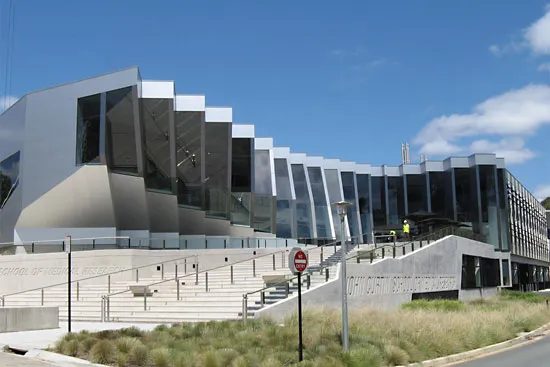
The Australian National University doesn’t play by the usual rules. Most universities start with freshmen in lecture halls and build up. ANU did the opposite. It opened its doors in 1946 with a strict mandate: no undergraduates. Only graduate students.
For fourteen years, the campus in Canberra, Australian Capital Territory, was a fortress for advanced research. Why? The founders wanted a research institution from day one. They believed in focusing resources on high-level inquiry before worrying about teaching basics.
Then came 1960. The doors finally opened for undergraduates.
Today, the gap between those two eras feels small. The university offers a wide range of programs for both levels. But the legacy of that original focus still shapes how things work.
How ANU’s graduate-first model changed Australian higher education
You don’t just walk into ANU. You walk into a place built for discovery first, instruction second. This structure affects everything from faculty hiring to campus culture.
The university isn’t just a collection of departments. It’s organized around specific research schools. These aren’t vague administrative labels. They are dedicated hubs:
- Medical Sciences
- Physical Sciences
- Biological Sciences
- Social Sciences
- Pacific Studies
Each school operates with a distinct mission. The Research School of Pacific Studies, for instance, leverages Canberra’s status as a capital city to engage deeply with regional geopolitics. It’s not just theory. It’s proximity to power.
Parents and students often ask: Does this focus on research hurt undergraduate experience?
If anything, it flips the script. Undergrads get access to the same infrastructure as PhD candidates. The library isn’t a separate entity. The labs aren’t locked away. You’re in the same building as the people writing the papers you’re reading.
Which university fits a student who wants research early?
Not every student thrives in a high-pressure research environment. Some want community. Some want a traditional campus feel. ANU offers both, but the lean is clear.
If you are looking for a place where your major is tied directly to national institutions, ANU is a strong contender. Being in the Australian Capital Territory means internships aren’t just about local cafes. They’re about government agencies, think tanks, and federal bodies.
The shift in 1960 didn’t erase the graduate identity. It layered undergraduate education on top of it. You get the breadth of a modern university with the depth of a research institute.
Is it for everyone? Probably not. But for students who want to stop studying theory and start doing the work, the setup is hard to beat.
The question isn’t just about grades. It’s about where you want to be when you’re twenty. In a dorm room? Or in a lab?