It buzzes. It hunts. It kills.
You might think the sound outside is just another annoyance on a summer evening. Wrong. It is the mosquito’s worst nightmare made manifest in carbon fiber and microphones.
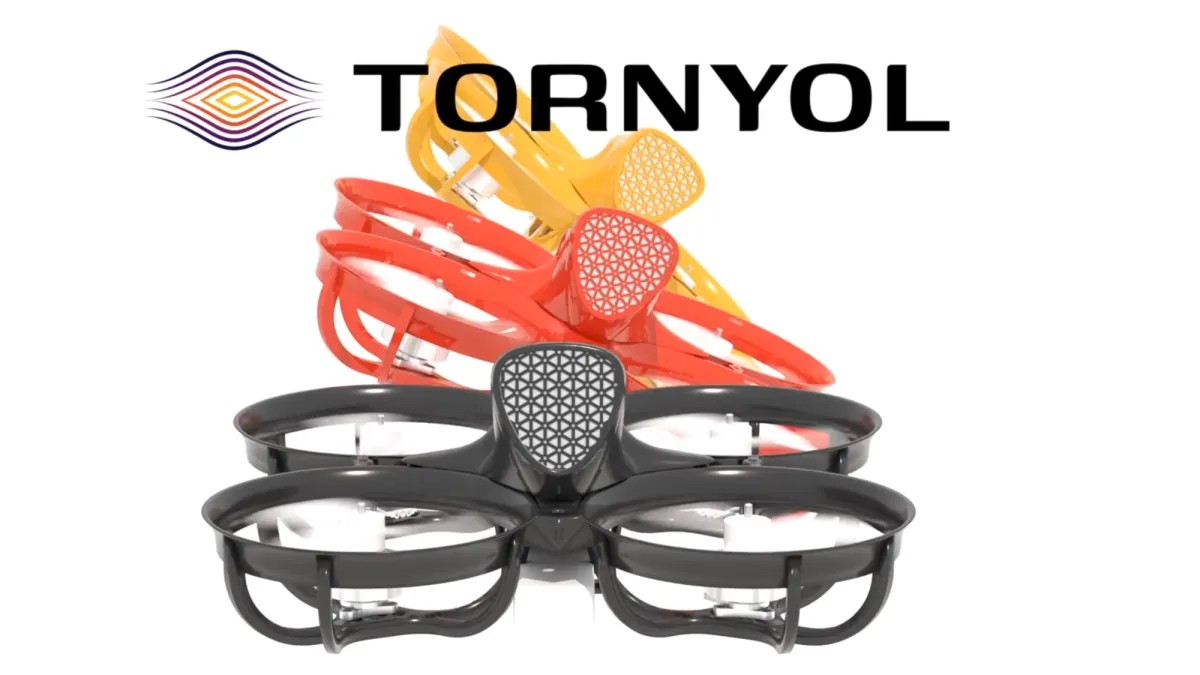
French startup Tornyol has built a tiny, autonomous quadcopters. Its job? Hunt and destroy bloodsuckers in a specific, mapped-out area. This is not sci-fi. It is happening now. And if the recent tests hold up, the end of the itch is in sight.
How does the mosquito drone detect targets using LeSonar2 technology?
Here is the tricky part. Most drones use cameras. Cameras are heavy. They drain batteries fast and need serious processing power. Alex Toussaint, the founder behind Tornyol, learned this the hard way. He originally wanted to deliver a soda from his fridge to the couch without leaving his seat. The vision system for that drone was too bulky. He dropped the idea of optics and turned to audio.
This pivot led to LeSonar2.
Think of it like bat sonar. The drone emits an ultrasonic pulse. It listens with an array of 380 microphones. These sensors were likely salvaged from old smartphone parking assist tech. They pick up echoes. Specifically, they listen for the unique frequency of wingbeats.
Why sonar for insect identification?
Wings have signatures. A wasp has long, thin wings with a slower beat. A fruit fly? Stubby wings. Faster beat. Mosquitoes are even faster. Toussaint trained an algorithm to hear the difference. The system knows what a mosquito sounds like. It ignores everything else.
“The execution method is decidedly old-fashioned.”
The detection is high-tech. The killing is brutal simplicity. The 40-gram drone—the weight of a golf ball—locks onto the frequency. Then it barrels in. High speed. Zero mercy. It rams the bug. The spinning propellers do the rest. It shreds them into bits. No nets. No chemicals. Just physics.
The first successful kill was a moth, not a mosquito
Does it work? Yes. Barely.
Toussaint recently posted a clip on X. He called it the first “air-to-air kill.” He released an insect into a small, white room. The Tornyol drone buzzed in. It chased the target for a few seconds. Then—impact.
The moth didn’t stand a chance. The drone rammed it, grinding it into gory fragments on contact. It was effective. It was also a bit gruesome. And technically? The victim was the wrong species.
This test proves the core mechanics. The flight. The targeting. The collision. But a moth is easier than a mosquito. Mosquitoes maneuver better. They are smaller. The real test comes in the wild, where bees and butterflies exist. The LeSonar2 system is crucial here. It ensures the drone doesn’t decapitate local pollinators by mistake. If it can’t distinguish a bee from a bit, the whole project collapses.
Why kill mosquitoes if they are just annoying pests?
Because they are killers.
We forget this when we’re slapping our necks after dinner. But mosquitoes are disease vectors on a massive scale. In 2021, malaria killed nearly 600,000 people across 83 countries, according to CDC data. Dengue? Chikungunya? Zika? They’re all carried on wings.
Climate change is making it worse. Summers are getting longer. Temperatures are rising. Mosquito territories are expanding north and south. They have been “humanity’s oldest enemy” for a reason. Nets help. Insecticides help. But resistance builds up. The bugs evolve. The poison stops working.
Tornyol argues we need a different approach. They want to patrol autonomously. A single unit can cover up to five acres. It scans for three minutes. Then it docks to recharge.
How much does the autonomous pest control system cost?
It’s not cheap.
You can buy the hardware outright for $1,109. Or you can pay $50 a month for a subscription model. The website screams its goal in capital letters: NO MORE MOSQUITOES.
But there is a catch.
The drone runs out of juice fast. Three minutes of flight. Thirty minutes of charging. That ratio is brutal. While the drone naps, the mosquitoes regroup. They hide. They breed. The hardware itself takes a beating, too. Smashing bugs at high speeds isn’t exactly gentle on plastic propellers. Who fixes it? How long does the blade last? The manual doesn’t say.
Tornyol claims they are working on battery swapping solutions. Maybe runtime improves. Maybe it doesn’t. Right now, you’re paying for a three-minute window of violence per hour of uptime.
Where will this data-driven extermination go from here?
Killing the bug is only half the battle. Tornyol wants the rest of the lineage dead, too.
The drone records data. Every detection. Every kill zone. Over time, this creates a high-definition map of local mosquito activity. Where do they drink? Where do they lay eggs? Where is the nectar rich enough to sustain them?
The hope is predictive elimination. You don’t just chase the flying thing. You target the source. You destroy the breeding ground.
“Factoring that in, we believe we will be able to completely eradicate mosquitoes.”
It sounds impossible. Total eradication? Really?
But consider the scale. Small drones are cheap to make. They are fast. If you drop the price down from a thousand dollars to a hundred? Or if they work for commercial agriculture and public health agencies? The volume changes the economics.
We will see more tests. More moths? Or maybe, just maybe, the right prey.
The buzzing stops when they are all gone. Until then, keep spraying. The drones are still in development. The moths paid the price so the rest of us could sleep better. Or so they hope.