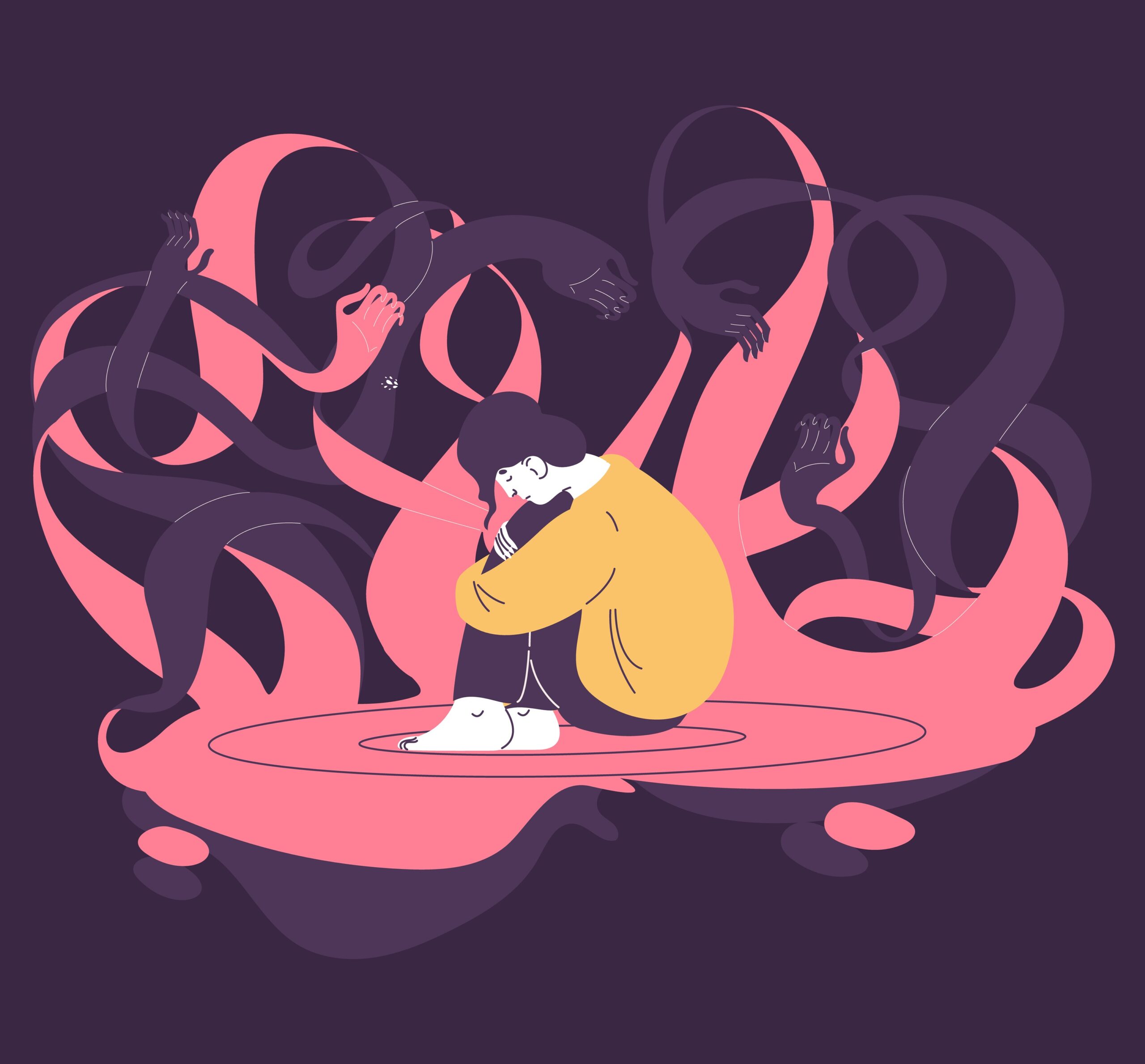
Bullying. It’s just a word until it hits home. Then it’s suffocation. Isolation wears you down, slow and steady, like rust eating through iron. Most kids survive the awkward slog of adolescence into adulthood, sure. They get there bruised, maybe a bit cynical, but intact. LGBTQ+ youth? Not so much. The new data is out. It doesn’t sugarcoat the truth. They face a specific kind of pressure that turns up the dial on suicide risk until the needle breaks.
The Numbers Don’t Lie
The Trevor Project asked 16,00 young people — aged 13 to 24 — to talk about their mental state. One in ten attempted suicide in the last year. One-third thought seriously about doing it. That’s not a statistic you skim past.
It’s heavy.
Ronita Nath from the Trevor Project knows this pain well. She points out a simple, almost stubborn fact. Affirmation works. When schools and adults actually see these kids, when they build spaces where identity isn’t a threat but a baseline, suicide risk drops. It’s not magic. It’s environment. Schools aren’t just buildings. They can be lifelines, if they bother to try.
“One of the most important findings is that the suicide risk of LGBTQ+ youth goes down when communities become more affirming.”
The Noise Around Them
2026 looks like it’s going to be a messy year politically. Bills stacking up at state levels, federal noise rising, debates that feel more like accusations. A huge chunk of the respondents said they feel unsafe because of it.
Think about that. Just hearing the news makes them anxious.
Nath calls it trickling down rhetoric. The headlines become hallways. Kids who get bullied or threatened based on who they love or how they present gender are three times more likely to attempt suicide than their straight, cisgender peers. The connection is direct. It’s causal.
And yet, help is often stuck behind bureaucratic gates or invisible fears. 44% couldn’t get the mental health services they actually needed. Sometimes it’s money, can’t afford the bus to the counselor’s office. More often it’s fear. What if the provider rolls their eyes? What if I’m misunderstood? What if my trauma becomes their case study? Past bad experiences keep kids away from new doors.
Nath’s prescription? GSAs. Real ones. Anti-harassment policies that aren’t just framed paper. Train the teachers so they don’t flinch. This stuff lifts everyone, not just the kids fighting for visibility. Why do we always treat inclusion as a luxury instead of hygiene?
Failing While Stressed
Megan Pacheco from Challenge Success sees the wreckage. She’s based at Stanford, watching how well-being links to belonging links to grades. If a gender-diverse student feels threatened, they stop trying. Not out of laziness, but survival.
How do you solve math problems when your nervous system thinks it’s being hunted?
Sarah Miles, the research director, notes the sheer volume of stress these kids carry. Most teenagers worry about grades and dating and social media captions. Trans or non-binary youth? All that, plus family rejection, plus peer vitriol, plus existential dread. It clogs the working memory. You can’t attend to anything if everything feels like it’s burning.
Yet, here is a crack of light. 85% of the LGBTQ+ respondents said there was at least one affirming adult in their school. Half said school itself felt like a safe place, right after online communities. It’s close to second. Imagine what happens if schools moved to first place.
Who Belongs?
Matthew Rice runs a science department in New Jersey. He knows this stuff inside and out, having studied how educators navigate identity. Students are watching. Always watching. They don’t read mission statements during hallway harassment. They watch how the staff reacts to a joke about pronouns. Do they laugh? Do they enforce consequences?
Rice argues representation isn’t symbolic window dressing. It’s structural. Seeing an open LGBTQ+ adult changes the horizon of what a kid thinks is possible for them.
There’s a persistent, dumb idea that supporting these students costs someone else a seat. Miles hates this logic. She wants to smash it. Help one group, the zero-sum thinkers say, and others fall behind. Wrong.
Supporting the most vulnerable raises the floor for everyone. It makes the whole room safer. It allows anyone to walk in and just be.
That’s the point we miss.