Better attendance. Sharper focus. Friends who actually like each other. These aren’t fantasies dreamed up by tired principals. They are what happens when kids are allowed to play.
For years, recess has been the first thing to go. Districts want grades. They want test scores. Play time is viewed as wasted minutes. But the people pushing to bring it back are loud now. And they are right.
“It’s not that we don’t need hard work… when you hit a wall, you take,” says Catherine Ramstetter. She co-authored a report for the American Academy of Pediatricians (AAP) on why structure matters in play.
“We expect little kids to be like robots,” she notes. We break the system.
The Case for Chaos
The AAP updated its stance. Recess isn’t just for kids. Middle schoolers need it. High schoolers too.
Most teachers for older kids never learn how to manage play. Ramstetter points this out. Early childhood teachers get training. Older grades? We equate rigor with nose-to-grindstone intensity. It doesn’t work that way.
Grassroots movements are rising. Like the fight against smartphones, people want play back. The Yes to Recess movement wants 60 minutes daily. No conditions. It shouldn’t be a prize for good behavior or punishment for bad.
Elizabeth Cushing leads PlayWorks. She watches schools implement evidence-based tactics. The view of recess has changed. Thirty years ago? A break. Now?
“A critical part of the school day. Enabling connection in low stakes fun. Building community.”
States are pushing for laws. Mixed results so far. Why? Money. Implementation. Teachers don’t have time to watch kids. Deborah Rhea, a professor and founder of LiiNK, suggests letting districts decide locally.
“We’re limping along.”
She sees strides. Momentum is slow but steady.
Why Play Matters
Older students struggle without social skills. Cushing explains it well. Teamwork isn’t learned in a vacuum. You learn it at age six. You need those skills when social pressures spike in high school. If we want citizens who cooperate? Start early.
Look at attendance. Chronic absenteeism is huge nationwide. Bedford High in Massachusetts tried “movement breaks.” Chronic absenteeism dropped. From 35 percent to 23. One year. That is not noise. That is data.
Rhea tracks roughly 25,00 students in her programs. Hair tests show cortisol levels dropping. Academic scores rising. Off-task behavior slashed by forty percent. Parents started recruiting schools after the first year.
“Word of mouth spread.”
Not every district has cash or staff to mirror this. But resources? You don’t need much.
How to Actually Do It
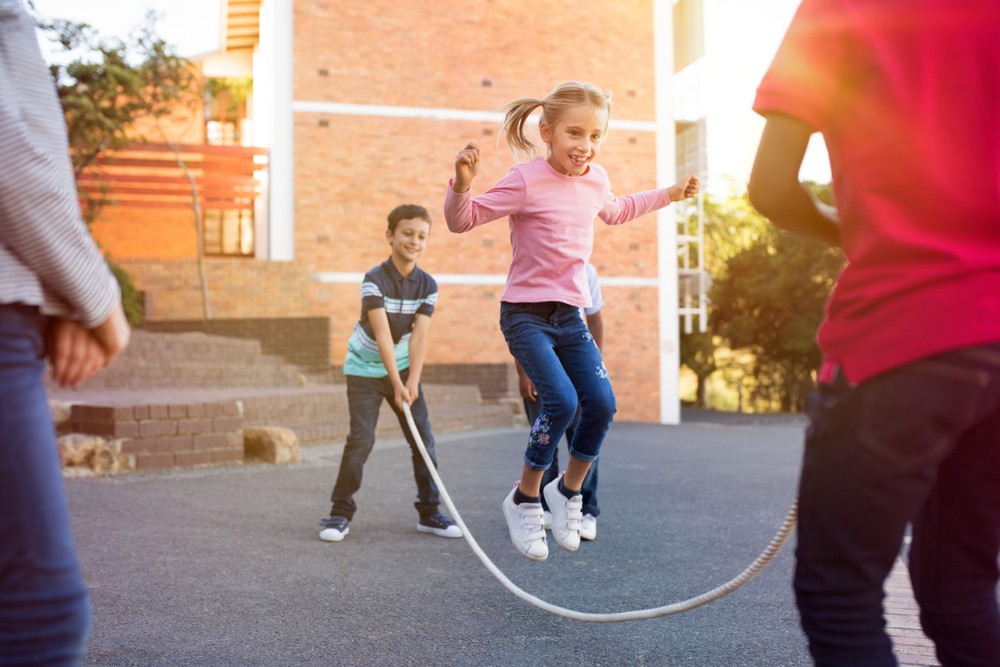
Cushing notes kids thrive on simplicity. They have mastery in play. It happens everywhere. The beauty is universal. But you need a frame. Jump ropes. Defined spaces.
If the playground lacks structure, kids stand outside. Shy. Afraid. They don’t jump in. They want to. They just need the stage.
Then there are the phones. Elementary schools are quieter about them. Experts say less screens means better play. “Bell-to-bell” bans keep phones away during lunch and recess. The AAP didn’t explicitly ban tech in this study.
Ramstetter is clear though. “Yeah, get it out of the way.”
No phones. Quiet spots to sit. Dirt to dig. Simple games like Four Square. Chalk. Rope. Make your own rules.
“Don’t give them to kids: encourage connection. Run. Dig. Be messy.”
It has to be done well. If you believe play is beneficial, don’t just toss them outside. Plan it. Prepare. Take a step back. Look at how this time can work.
The ball is in your court.