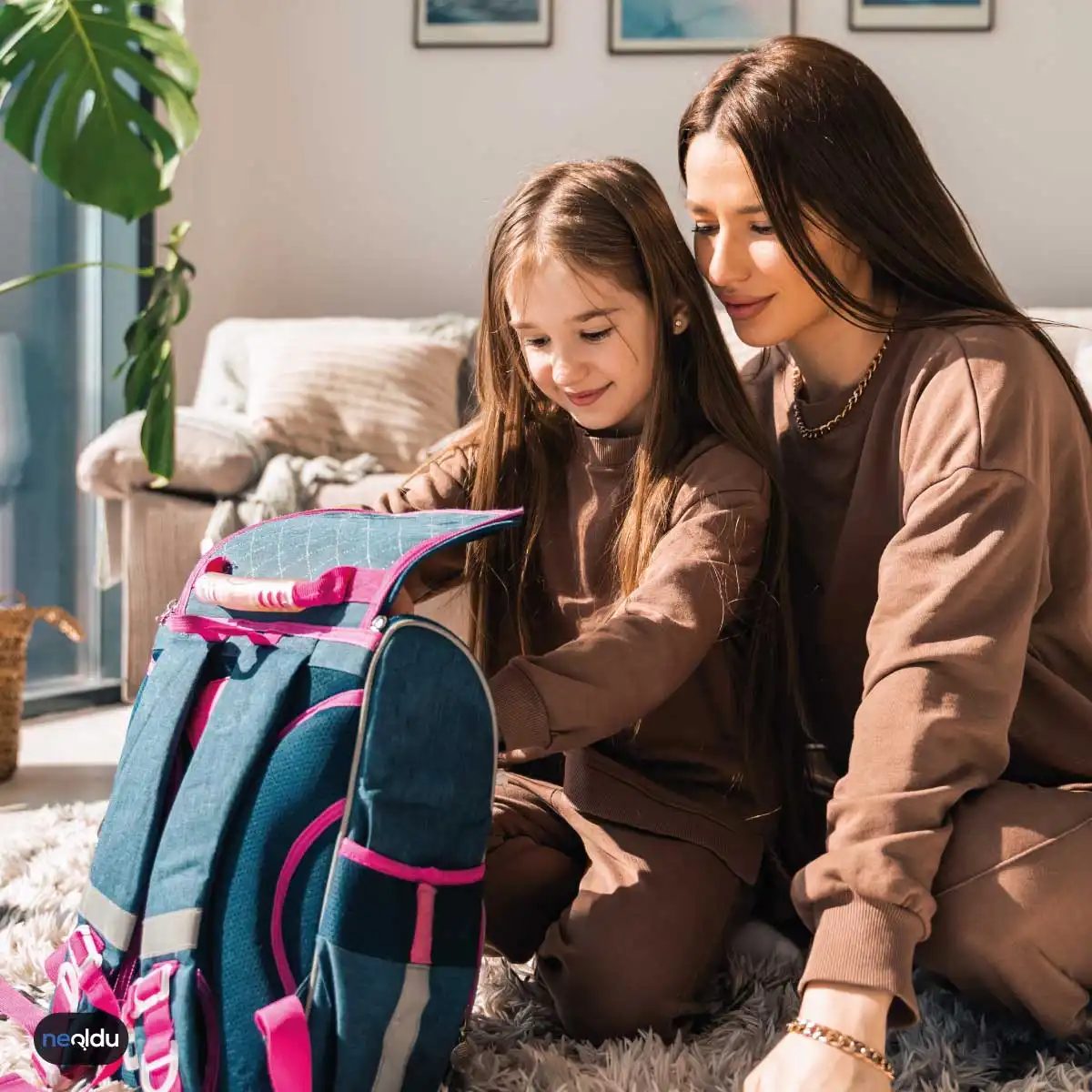
A school bag is more than just a container for books. It is a daily companion that shapes your child’s routine and physical comfort. Getting this wrong can lead to daily discomfort that affects their mood and focus at school.
Why the Right Backpack Matters
The backpack your child carries needs to handle all their daily essentials. A proper fit supports their physical well-being and emotional readiness for the day. Choosing the wrong size or style can make the school day feel heavier, quite literally. This decision impacts how they feel when they walk through the classroom door.
Key Features to Look For
When examining a potential backpack, specific attributes stand out.
- Weight: The empty bag should be light.
- Fit: Straps must be adjustable to match the child’s shoulders.
- Material: Durable fabric that withstands daily wear.
A well-chosen bag ensures your child feels physically at ease. This comfort translates into better focus and a smoother start to their day.
Neden okul çantası seçimi sadece estetik değildir?
Sırt ve omuz ağrıları. Kulağa dramatik geliyor, değil mi? Ama gerçek. Çocuklarınızın fiziksel ve ruhsal sağlığı doğrudan bu seçimle ilişkilidir. Çantanın ağırlığı, yanlış taşıma biçimi, tüm bu faktörler birleştiğinde sonuç acıdır. Ağır bir çanta, gün boyu omuzlarda yük oluşturur. Yanlış kullanım, sırt kaslarını zorlar.
İçerideki eşyaların rahatça taşınması da aynı derecede önemli. Çanta, bir kasa değil, bir taşıyıcı olmalı.
Dayanıklılık ve ergonomi: Neden bu kadar kritik?
Okul, stresli bir ortam. Çocuklar her gün bu baskıyla yüzleşiyor. Çantanın dayanıklı olması, bu zorlu süreçte uzun ömürlü olmasını sağlar. Ucuz malzeme, birkaç haftada yıpranır. Bu, çocuğun güvenliğini ve konforunu tehlikeye atar.
Boy ve omuz uyumu hayati önem taşır. Çanta, çocuğun vücut ölçülerine uygun olmalı. Ergonomik tasarım, sırt ve omuz ağrılarını önler. Bu, lüks değil, bir gerekliliktir.
Çocuğun ihtiyacına göre doğru çanta nasıl bulunur?
Her çocuk farklıdır. İhtiyaçları da öyle. Birincil adım, çocuğun yaşını ve aktivite seviyesini belirlemektir.
- Boy ölçümü: Çanta, çocuğun boyuna uygun olmalıdır. Omuzları rahat taşıyabilmeli, sırtı zorlamamalıdır.
- Ağırlık limiti: Boş çanta hafif olmalı. Dolu haliyle, çocuğun kilosunun %10-15’ini geçmemelidir.
- Ergonomik bantlar: Kalın, yastıklı omuz bantları ve bel desteği, ağırlığı dağıtır.
- Malzeme kalitesi: Dayanıklı, su geçirmez kumaş, uzun süreli kullanım için idealdir.
“Doğru çanta, çocuğun okul gününü sessizce kolaylaştıran bir araçtır.”
Sizce, ebeveynler bu detaylara yeterince dikkat ediyor mu? Çoğu zaman, marka logosuna veya rengere odaklanılıyor. Oysa, asıl mesele, çocuğun sırtının sağlığı.
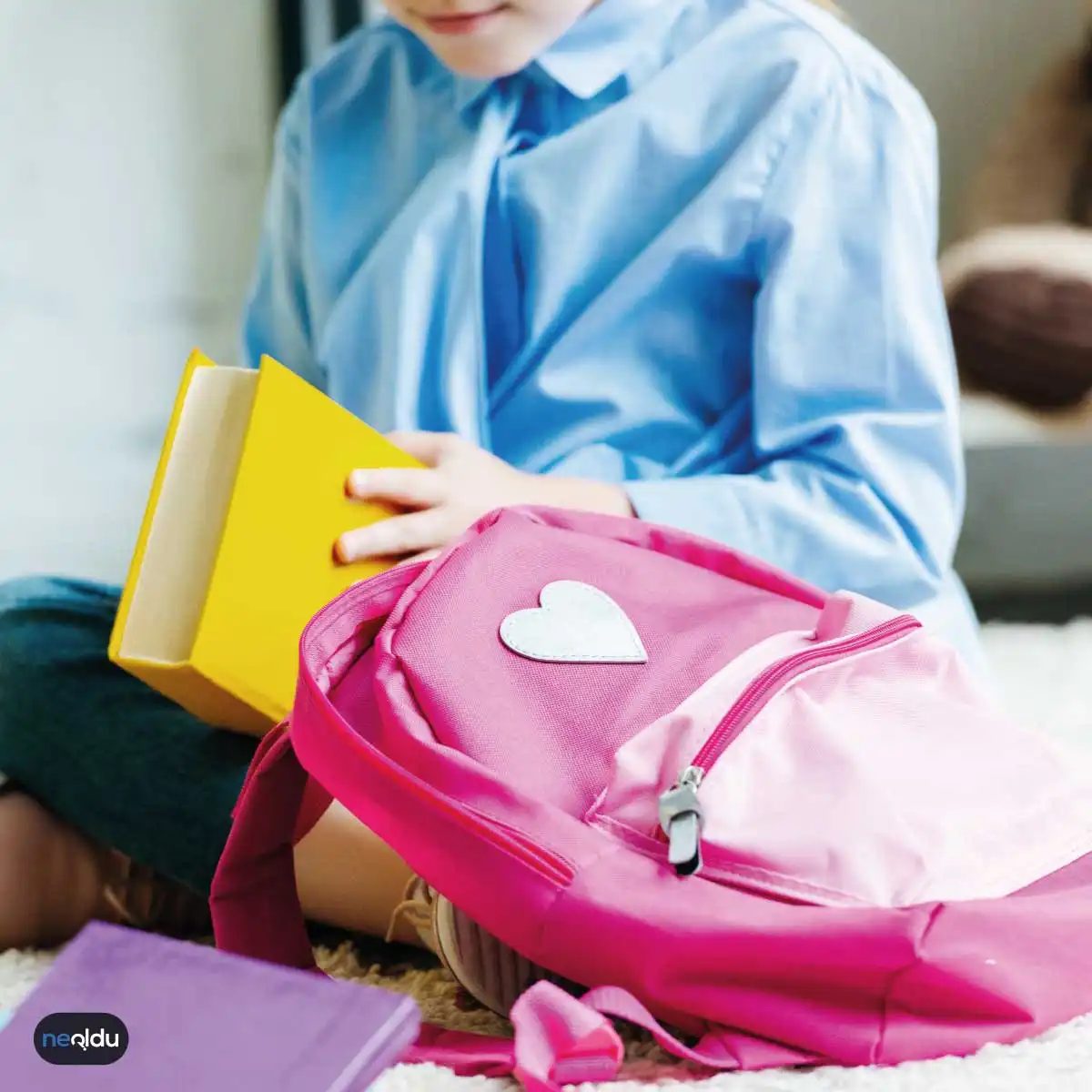
Sizing the Load for Small Shoulders
A backpack is not just a bag. It is a structural support system for a developing spine. The weight needs to stay under the threshold where the child’s posture starts to break. If the straps dig in, the kid slouches. If the slouching persists, back pain follows.
Check the weight limit. A standard rule of thumb is 10% to 15% of the child’s body weight. For a 30kg second-grader, that means the packed bag should not exceed 3 to 4.5kg. Books are heavy. Water bottles are heavier. Empty the bag every night. Weigh it. If it feels like you are carrying a brick, it is too heavy.
The fit matters just as much as the weight.
Straps, Pads, and the Shoulder Test
Look at the shoulder straps. They need padding. Not thin, cheap foam. Thick, dense padding that distributes the load across the trapezius muscle rather than digging into the neck.
The hip belt is the game-changer. Many parents skip it because it looks like it is for hiking. It is not. A waist belt transfers 30% to 50% of the load from the shoulders to the hips. This changes the physics entirely. The child does not carry the weight on their back; they carry it on their body.
Test the fit like this:
1. Have the child stand straight.
2. Tighten the hip belt first.
3. Then adjust the shoulder straps so the bag sits snug against the back, not sliding down.
4. Ask the child to walk around the room.
If the bag swings, the straps are too loose. If the child hunches, the bag is too high or too heavy. The bag should feel like a part of the child, not an accessory.
Inside the Bag: The Organization Problem
A messy bag is a heavy bag. When pencils, erasers, and crumpled papers roll around, the weight shifts. Shifting weight causes the child to adjust their posture constantly. This is exhausting.
You need a structured interior. Look for:
– A main compartment for books and folders.
– A front pocket for the water bottle and snacks.
– Side pockets for umbrellas or extra water.
– Internal dividers or a dedicated sleeve for a tablet or notebook.
If the bag has a flat, rigid base, it will sit straight on a desk. If it is floppy, it will collapse. A collapsed bag is harder to open, harder to pack, and harder to carry.
Daily Habits That Protect the Back
The bag is only half the equation. The habit is the other half.
Carry it with both hands. Always. One shoulder carries the full load. Two shoulders share it. If the child forgets, remind them. It becomes a reflex.
Take it out at school. Most schools have lockers or cubbies. Use them. The bag should only travel between home and the classroom, not sit under a desk for six hours.
Check the weight weekly. Remove items that are not needed. Old worksheets? Toss them. Extra notebooks? Leave them at home. The lighter the bag, the better the posture.
When to Replace the Bag
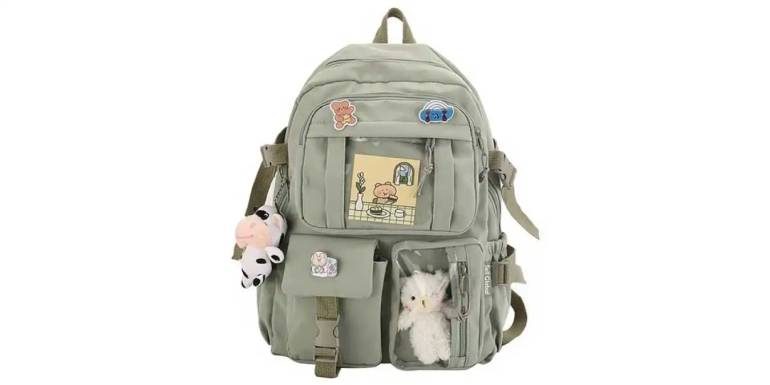
Why Durability Matters More Than Aesthetics
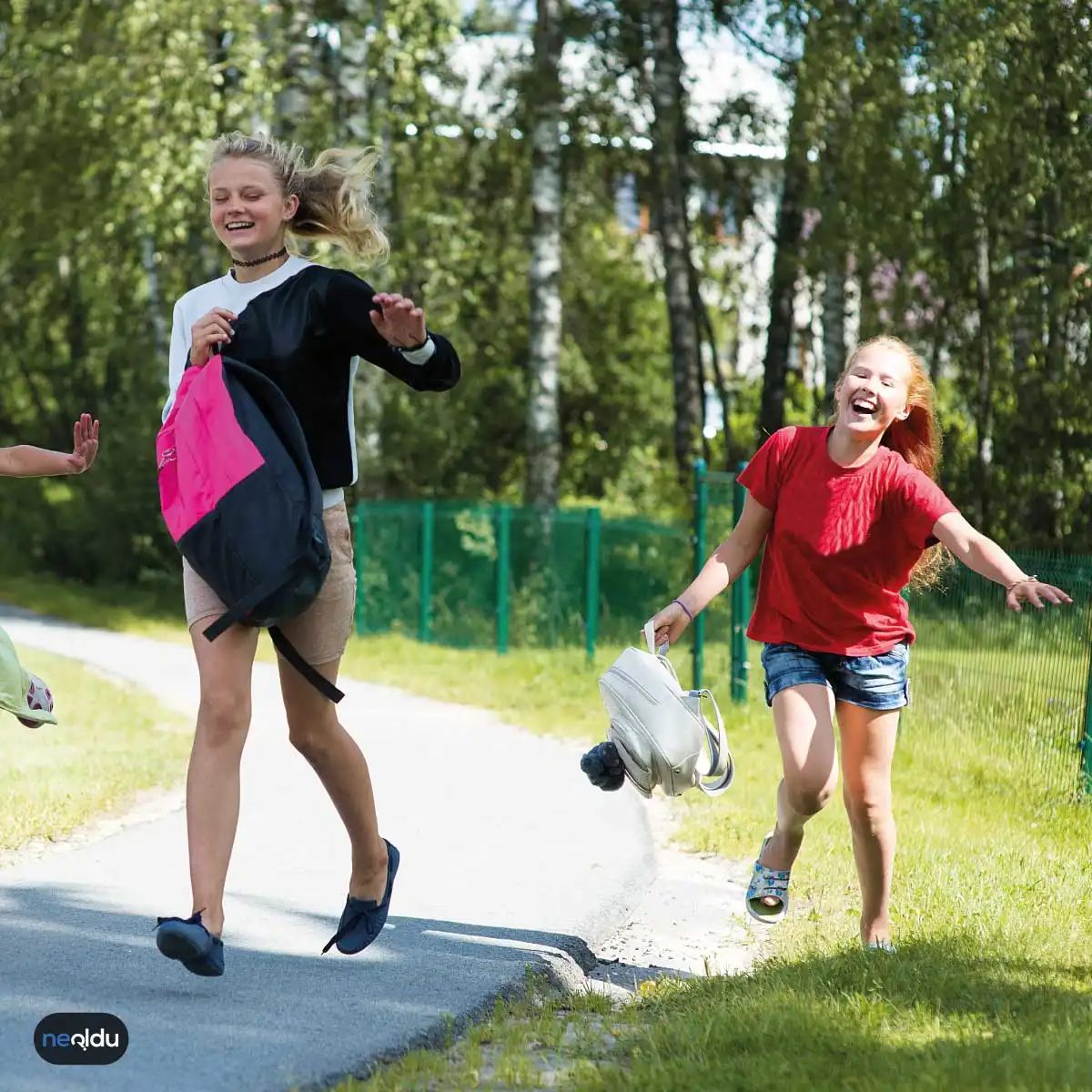
Let’s be honest. A backpack is not a fashion statement. It is a piece of equipment. If your child drags a heavy load of textbooks, tablets, and wet gym clothes every single day, the bag will tear.
Cheap fabric fails fast. Weak stitching gives up after a few months of rough handling. You need to look at the internal structure. Are the dividers solid? Does the material feel stiff and resistant, or floppy and thin?
Expect a decent school bag to last one to two years. Maybe less if the usage is brutal. If you are buying for a growing kid who is currently carrying 8kg of stuff, a “fashionable” bag is a waste of money. Durability is the only feature that matters when the bottom seam starts to split in October.
How to Choose a Backpack for Actual Comfort
Comfort is subjective, but the physics are not. A bag that hurts the shoulders is a bag that gets left at home.
Look for padded straps. Not just thin foam, but thick, contoured padding that distributes weight. The back panel matters too. A rigid back keeps the bag from sagging against the spine. If the bag moves around while walking, it creates friction. That leads to chafing and aches.
Fit is the real test. You cannot judge comfort by looking at a picture. Have your child strap it on. Load it with a few books. Walk around the room. Does it slide? Does it dig into the neck?
A backpack should feel like it is part of the body, not a separate weight being dragged.
Check the size. A bag that is too big will swing around the kid’s back. It becomes a projectile. A bag that is too small forces them to stuff things in, making the weight uneven. For elementary students, a 15 to 20 liter capacity is usually enough. High schoolers might need 25 to 35 liters.
Which Features Actually Save Your Back?
Most parents think more pockets mean better. Wrong. Weight is the enemy.
A good bag has a balanced weight distribution. That means the heavy items, the textbooks, should sit close to the back. The top of the bag should be lighter. If the bag is top-heavy, it pulls the spine forward. That is bad posture.
Look for a sternum strap. It sounds like a gimmick, but it keeps the straps from slipping off narrow shoulders. It locks the bag in place.
Ventilated back panels are essential. Without airflow, the sweat builds up. The bag gets heavy with moisture. The fabric degrades faster. Your child gets uncomfortable.
- Padded Shoulder Straps: Essential. Minimum 2cm thickness.
- Rigid Back Panel: Prevents sagging.
- Sternum Strap: Keeps straps from slipping.
- Ventilation: Mesh or foam channels in the back.
Why Material Quality Determines Lifespan
Nylon is the standard. It is strong and water-resistant. Polyester is lighter but tears easier. Cordura is the premium option. It is expensive, but it lasts forever.
Check the zippers. YKK zippers are a good indicator of quality. If the zipper feels stiff and makes a sharp click, it will likely last two years. If it feels loose and
How to Choose a Backpack That Actually Fits Your Child
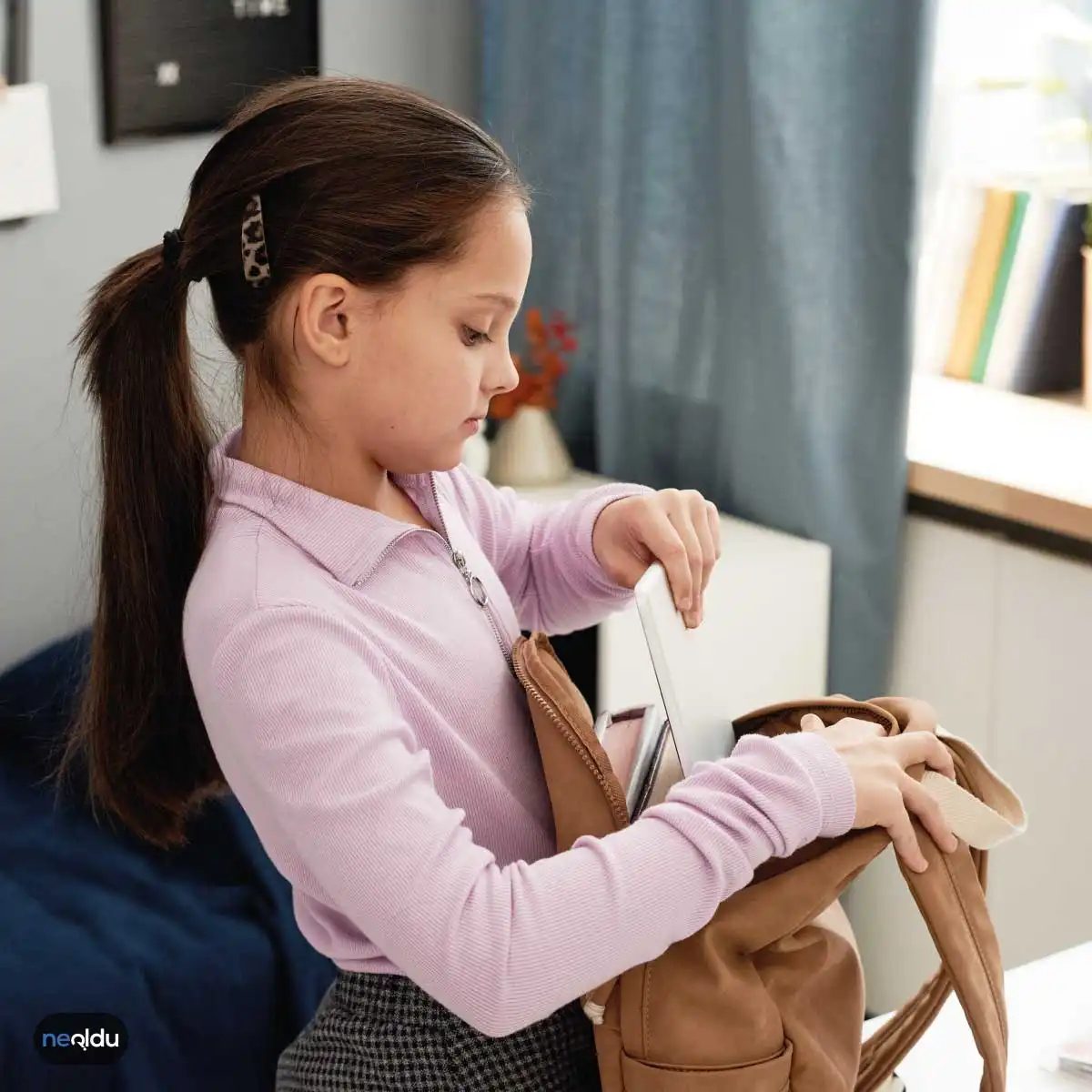
A comfortable school bag helps a child finish the daily trek to class without aching back or sore shoulders. The first thing to check is size. The bag needs to match the child’s height. If it hangs too low, it drags. If it’s too big, it sways. The fit should feel natural, not restrictive.
Weight distribution changes everything. The bag must be balanced across both shoulders. Uneven weight pulls the spine sideways, causing strain. A well-made bag spreads the load evenly.
Functionality matters just as much as fit. Look for specific details:
- Organized pockets with clean buttons or closures
- Sturdy zippers that are easy to open one-handed
- Internal compartments that stay accessible
These features help a child find their pencil or lunchbox quickly. No more digging through a messy bag at the start of the day.
Why Bag Weight and Fit Matter for Spinal Health
A heavy, ill-fitting bag does more than cause fatigue. It can affect posture over time. The bag should sit against the back, not swing away from it. Straps should be padded and wide enough to prevent digging into the skin.
Does the bag feel light when empty? That’s a good sign. A heavy empty bag means the materials are bulky, adding unnecessary weight before books are even packed.
Check the shoulder strap adjustment. It should be easy for a child to tighten or loosen without help. If the bag slides down one shoulder, the straps are too loose. Tighten them until the bag rests securely between the shoulder blades.
Which Features Make a School Bag Practical for Daily Use
A good bag is more than a container. It’s a tool for organization. Look for these practical elements:
- Multiple, clearly defined pockets for books, notebooks, and stationery
- Strong, smooth-running zippers that don’t jam
- Durable fabric that withstands daily wear and tear
- Water-resistant material to protect contents in rainy weather
The zipper is a critical detail. A weak zipper fails fast. A strong, easy-to-use zipper saves time and frustration. Children often struggle with fiddly zippers. A quality zipper lets them close the bag independently.
Pockets should be arranged logically. Textbooks go in the main compartment. Lunch goes in an insulated side pocket. Water bottle fits in a dedicated sleeve. This organization saves minutes each morning.
A bag that’s hard to open wastes time. A bag that’s hard to close causes stress. Choose features that make daily routine smoother, not harder. The best bag disappears into the routine, letting the child focus on learning instead of wrestling with straps and zippers.

Why the back-to-school backpack trend matters beyond the price tag
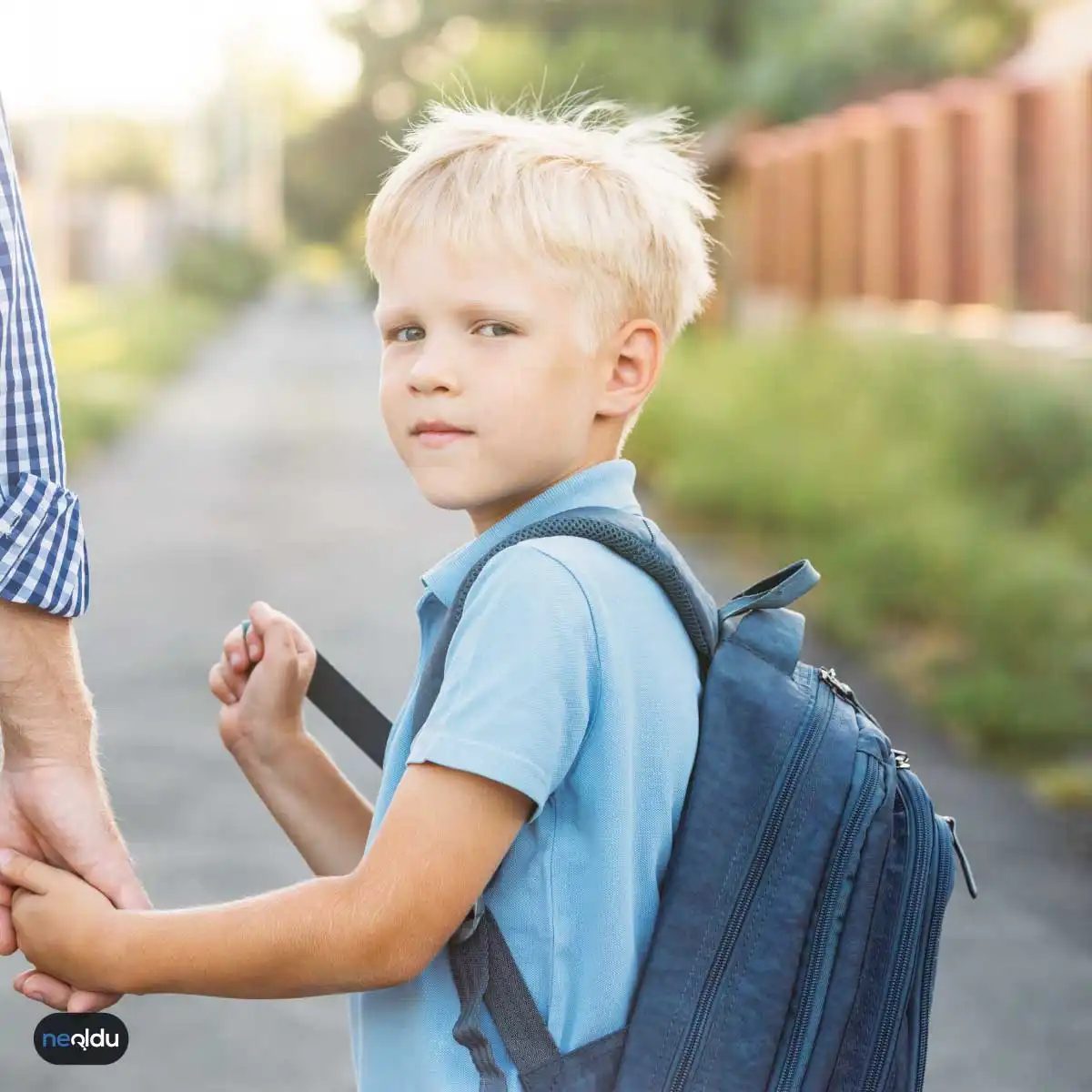
Look at the shelves. Bright colors, pop-culture references, sleek lines. The current wave of school backpacks isn’t just about carrying a math textbook anymore; it’s a piece of a child’s personal brand. If a bag feels outdated the moment it hits the hallway, it can make the morning drop-off feel like a loss before the day even starts.
But here is the trap.
Trendy design is the hook, not the anchor. While a cool-looking bag boosts confidence and fits into the social fabric of the playground, it cannot outlast a strap that digs into the shoulder or a zipper that jams in the second week of term.
Functionality beats fashion when things get heavy.
A backpack that looks like a runway accessory might fail the stress test of a 15-kilogram load. Parents need to look past the printed graphics and check the structural integrity.
- Padding: Does the back panel have thick, breathable foam? Thin padding feels nice on day one and miserable by October.
- Straps: Are they wide? Narrow straps concentrate weight on the shoulders. Wide straps distribute it across the torso.
- Ventilation: A mesh backing keeps sweat off the back, which matters more than a limited-edition character print.
The goal is not to buy the most “Instagrammable” bag in the store. It is to find the one that disappears into the routine. The best bag is the one the child forgets they are wearing because it doesn’t chafe, slip, or buckle under pressure.
How to judge value when comparing budget school backpacks
Price tags are misleading. A $30 bag and a $120 bag might both hold a laptop, a water bottle, and three notebooks. The difference lies in what happens when the bag is dropped, rained on, or hauled up a flight of stairs every day for two years.
“Value for money” in school gear means durability per use, not just the upfront cost.
If a cheap bag tears at the stitching after one month, you paid $30 for one month of use. If a mid-range bag lasts through two full school years, the effective cost per day is significantly lower, even if the sticker price was higher.
Look for these concrete markers of performance:
- Stitching: Double stitching at stress points (where straps meet the body) is a non-negotiable. Single stitching will pop.
- Material: Ripstop nylon resists tearing. Cheap polyester frays. Check the fabric tag.
- Zippers: YKK or SBS zippers are industry standards for durability. Unknown brands often use plastic teeth that crack.
This is not about spending more for the sake of status. It is about calculating the true cost of ownership. A bag that holds up to daily abuse saves parents the stress of emergency repairs and keeps the child comfortable through the grind of the academic year.
Where comfort meets safety in everyday backpack design
Safety is rarely discussed in school bag reviews, yet it is the most critical function. A poorly fitted bag doesn’t just cause back pain; it changes posture, leading to long-term ergonomic issues for a developing spine.
Proper fit prevents injury.
The bag should sit high on the back, not
Renk ve desen: Estetik mi, işlevsel mi?
Marka logosu her şeyi değil. Pahalı okul çantaları genellikle daha kaliteli malzemeler kullandığı için daha dayanıklı olabilir, ama bu kuralın istisnaları var. Ucuz modeller de şaşırtıcı derecede iyi performans gösterebiliyor. Seçim yaparken çocuğunuzun ihtiyacına ve bütçenize odaklanın. Fiyat-performans oranı, rahatlık ve günlük gereksinimleri karşılayıp karşılamadığı kadar önemli.
Çocuğunuzun tercihi neden önemli?
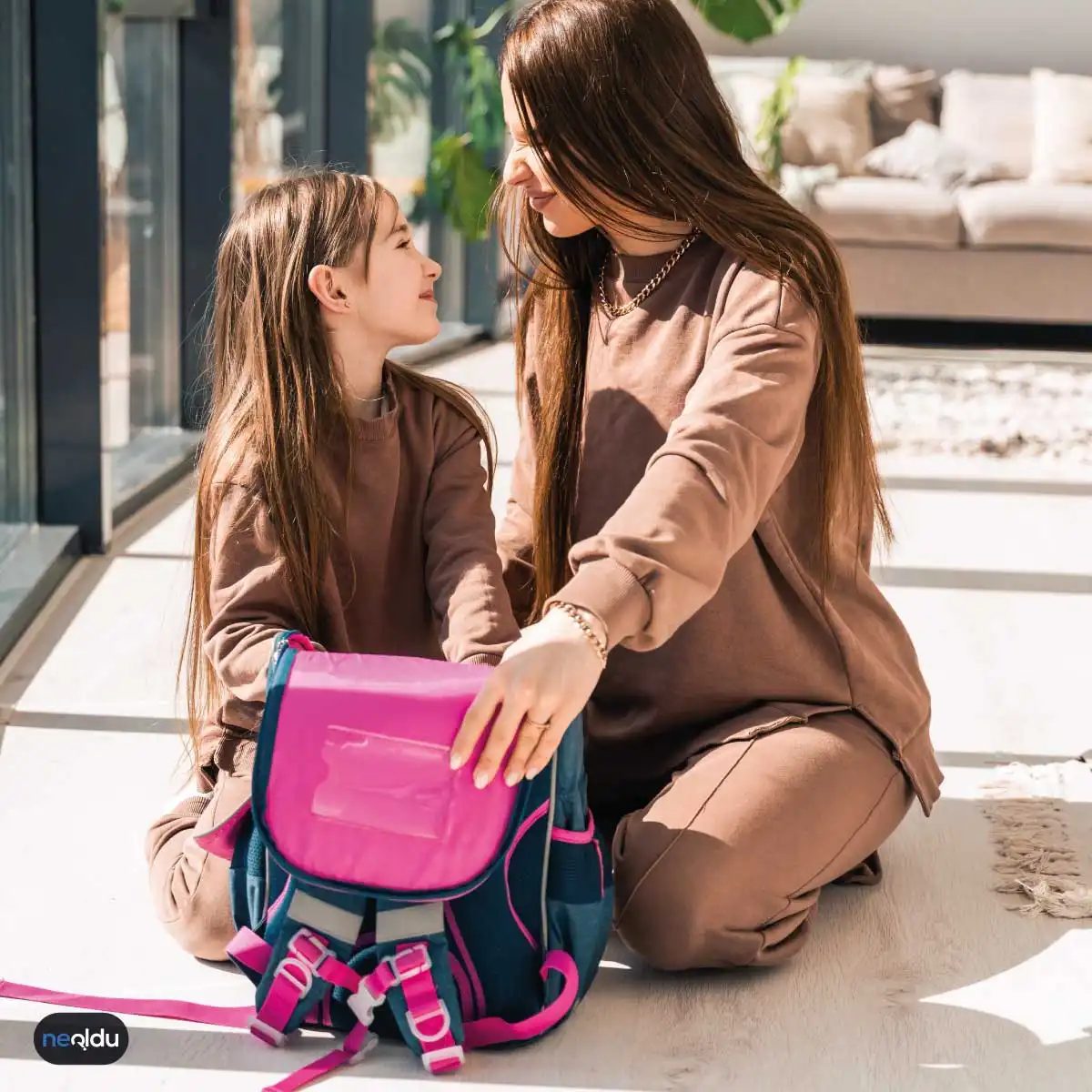
Renk ve desen seçimi, sadece estetik bir tercih değil. Çocuklar, her gün sırtlarında taşıdıkları eşyayı sahiplenmek ister. Beğenmediği bir çantayı omuzlarına asmak istemeyebilir. Bu yüzden, satın almadan önce çocuğunuza seçenekler sunun.
- Bütçe: Kaliteli ve dayanıklı bir model için ne kadar harcama yapmaya razısınız?
- İhtiyaç: Çantanın boyutu ve cepleri, çocuğunuzun taşıdığı eşyalar için yeterli mi?
- Konfor: Askıları ve sırt pedi, uzun saatler boyunca rahat ettiriyor mu?
- Tercih: Çocuğunuzun beğendiği renk ve desen ne?
Bu dört maddeyi dengeleyerek, hem bütçenize hem de çocuğunuzun ihtiyaçlarına uygun bir okul çantası bulabilirsiniz. Son karar, çocuğunuzun onayıyla kesinleşmeli.
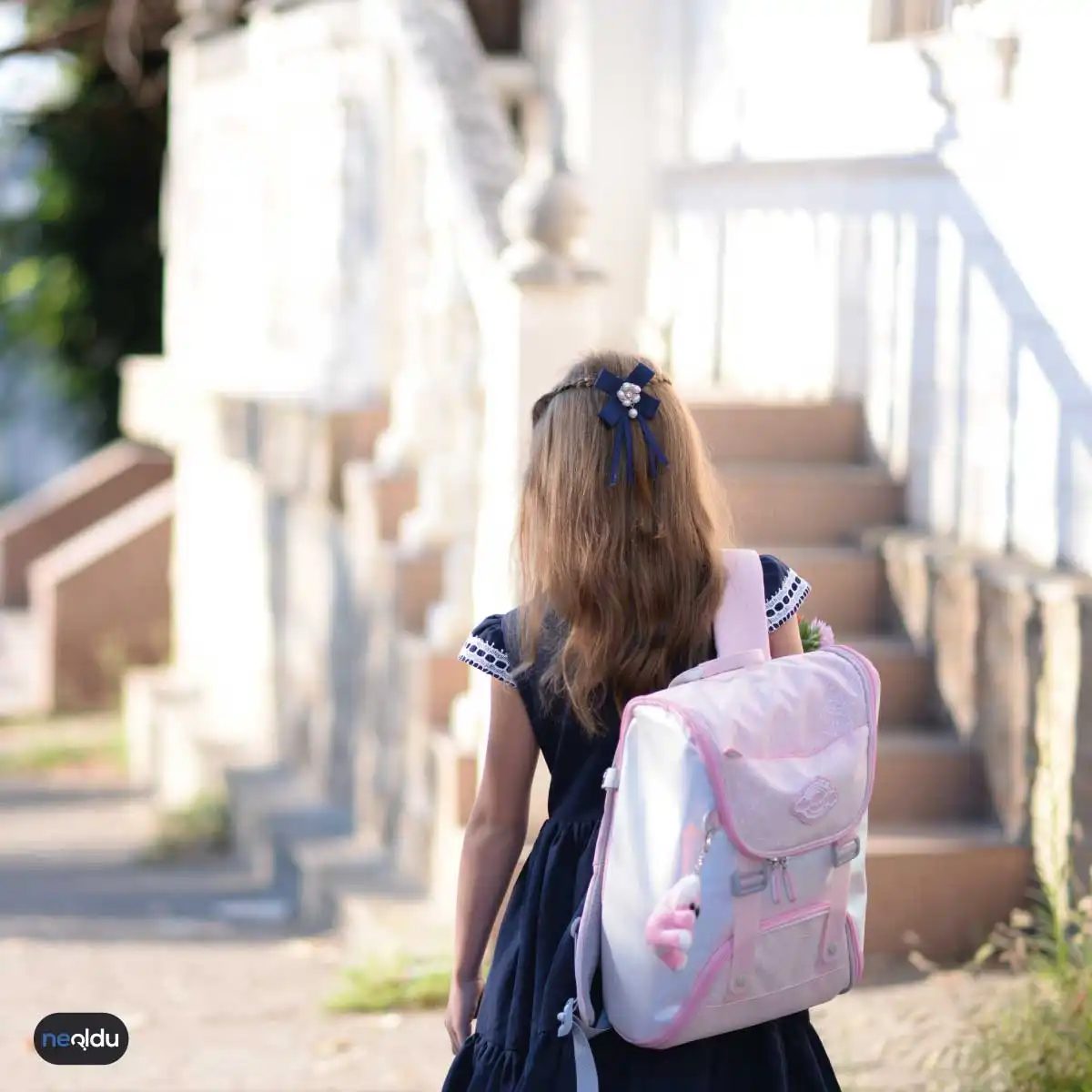
Renk ve desen seçimi, okul çantası satın alırken en sık karşılaşılan faktörlerden biridir. Çocuğun tercihine göre hareket etmek, okula katılımını artırır. Özelleştirilmiş bir çanta, çocuğun kendine özgü hissetmesini sağlar. Bu da okula gitme motivasyonunu yükseltir.
Ancak unutmayın. Güvenlik ve konfor her şeyden önce gelir. Omuzlara ve sırt hasarı vermemeli. Boyut ve ağırlık uygun olmalı.
Okul çantası seçerken hangi özelliklere dikkat etmeliyim?
Dayanıklılık, rahatlık ve boyutlar ilk sırada. Fiyat/performans oranı da önemli. Renk ve desen tercihleri sona bırakılabilir.
Okul çantası ne kadar süre dayanmalı?
İyi kalite ve dayanıklı malzemeler şart. Çantanın çocuğun tüm okul yaşamı boyunca kullanılabilmesi beklenir.
Çocuğun ihtiyacına göre okul çantası seçimi nasıl yapılır?
Okul yaşamındaki ihtiyaçlar belirleyici. Aktiviteler ve fiziksel özellikler göz önünde bulundurulmalı.
Okul çantası moda ve trendlere uygun olmalı mı?
Moda ve trendler cazip görünebilir. Ancak öncelik ihtiyaç ve dayanıklılıktır. Trendler ikinci planda kalmalı.
Fiyat/performans oranına göre okul çantası seçimi nasıl yapılır?
Kaliteli ve uygun fiyatlı ürün denge noktası. Bütçeye uygun ama sağlam bir model aramak mantıklı.
Okul çantası renk ve desen seçimi çocuğun tercihine göre mi yapılmalıdır?
Evet, tercih çocuğa ait olabilir. Ama okul yaşamındaki ihtiyaçlara da uyum sağlanmalı. İki faktörü birlikte değerlendirmek en doğrusu.