LIGO caught it. Over a decade ago.
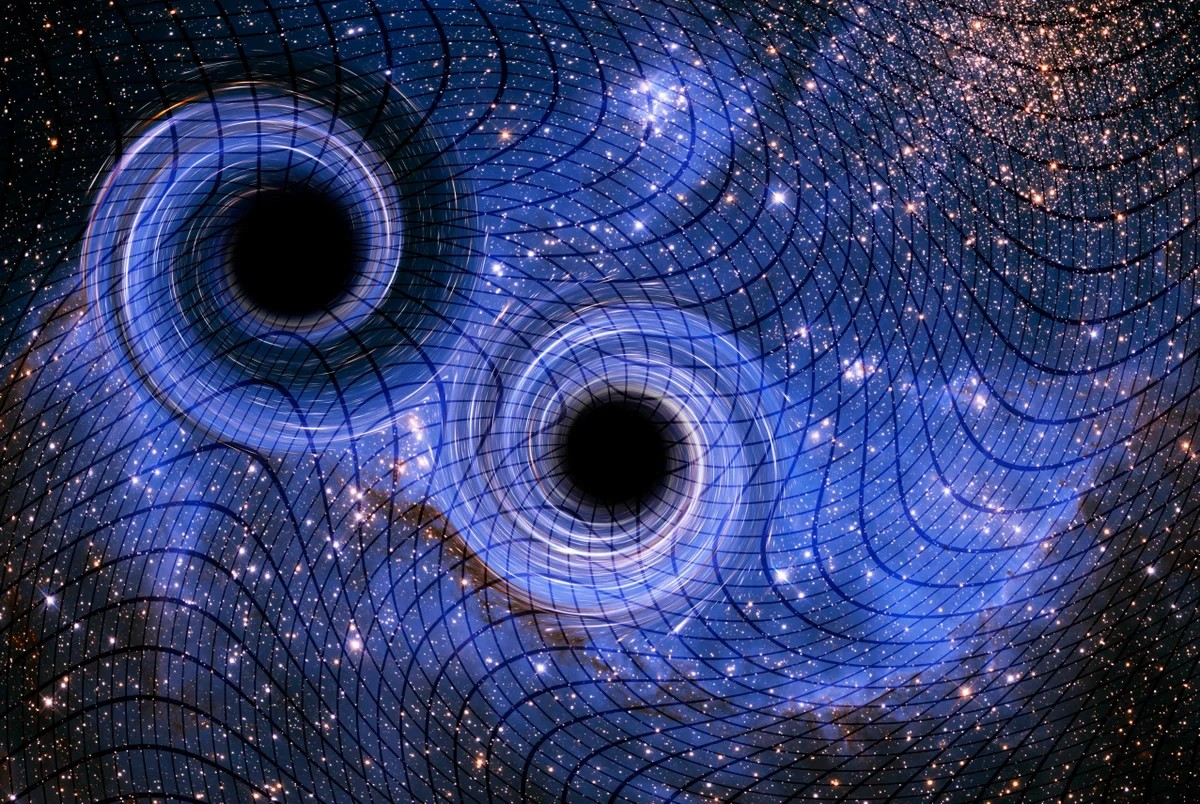
It wasn’t a light. It was a ripple. A violent shake in the fabric of spac itself, sent rippling outward 1.3 billion years ago when two black holes smashed into each other. We heard them meet.
Since then? Just tweaking. Refining. Hunting for the fainter whispers.
The LIGO-Virgo-Kagi (LVK) team keeps a running list. They’ve added 161 new events just between April 2023 and January 2024. A record. Sixty-three stations across the US, Italy, and Japan are now catching these things by the dozens.
“We are seeing three or four signals a week,” says Ed Porter.
That’s a lot of noise. Or rather, signal.
Porter thinks we’re moving past the “look what I found” phase. We’re into the precision work. The data isn’t just accumulating. It’s piling up. A whole community of scientists is digging through the mess, turning raw ripples into hard astrophysics.
Does that matter?
It helps. Big time.
Those 161 fresh catches make up nearly 75% of all confirmed events so far. We’re at 390 total now. With more eyes on the sky—or rather, more sensitive ears on the ground—we can look at things that were previously invisible. Black holes hiding in the dark. Distant, faint locales. We’re filling in the gaps of how these beasts evolve.
There were highlights in this batch, sure.
GW240615? We pinpointed its source.
GW250114? Crystal clear. Signal-to-noise of 76.9. Loud and proud.
And GW241015? Along with GW241101, they might prove that “second-generation” black holes exist. Black holes that aren’t born from collapsing stars, but from the wreckage of previous black hole mergers.
“It is another hint that the Universe is hiding the real story of black hole birth,” Mario Spera notes. He works at the Virgo Collaboration in Italy. “It’ll get surprising. With every new catalog.”
Spera sounds ready for the next one.
Scientists will have work cut out for them with just this batch. But the detectors aren’t done yet. They’re getting sharper. Louder. Sensitive.
The age of gravitational astronomy didn’t just arrive. It kicked the door open.