The data doesn’t lie. We are more vulnerable now. Deadlier outbreaks wait in the wings, and our defenses are weaker than they were in 2019. A major new report from the World Health Organization (WHO)’s Global Preparedness Monitoring Board confirms this grim reality. The risks haven’t gone away. They’ve grown.
Reforms lag behind the rising threat. The world isn’t meaningfully safer. In some areas it is actually getting worse. The authors state the evidence is clear regarding health, economic, and social impacts: they are intensifying, not receding.
Established after the 2014-2016 Ebola epidemic in West Africa, the Monitoring Board has issued an annual snapshot since 2019. Each year paints the same picture. We are moving in the wrong direction.
Threats Are Converging
“Infectious disease outbreaks have not gone Away.”
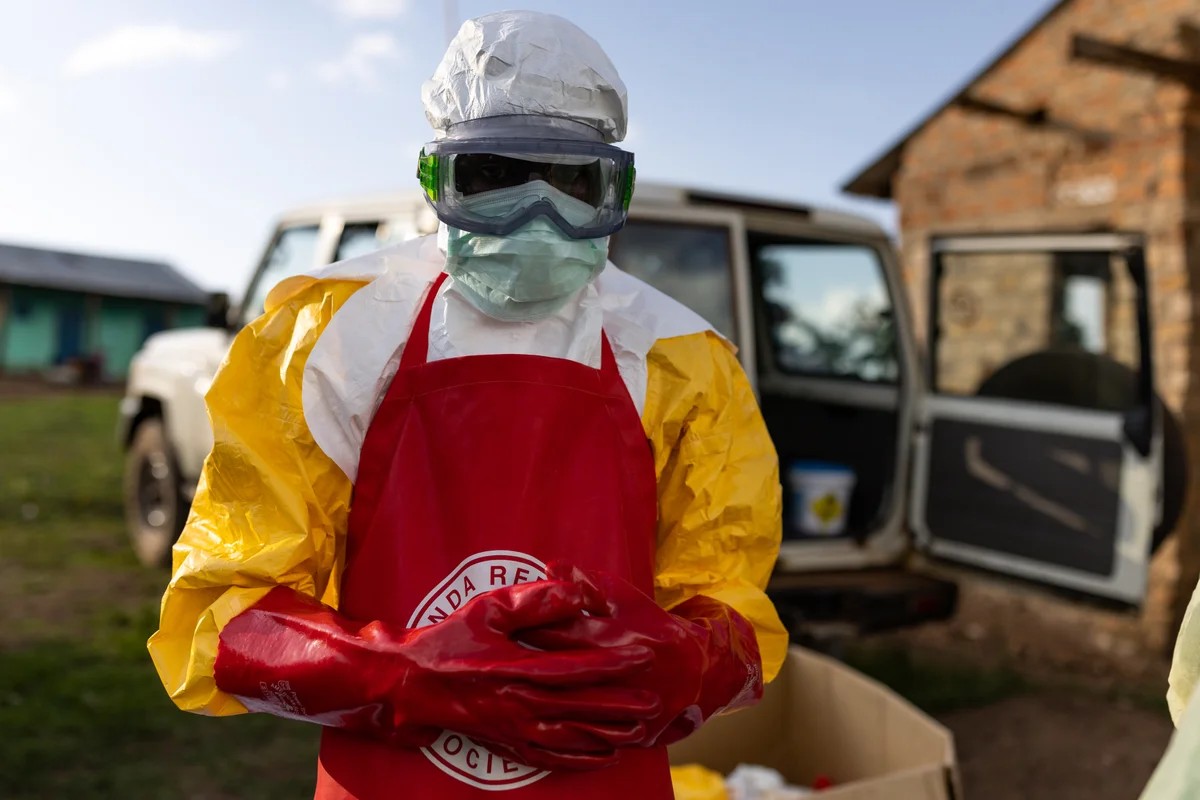
Jessica Justman, an epidemiologist at Columbia University, calls it a convergence of threats. Justman wasn’t part of the report but her diagnosis matches the findings perfectly. On May 17, the WHO declared a global emergency over a deadly Ebola variant in Africa. Scores have died. Hundreds sickened. At the same time officials scramble to contain hantavirus on a cruise ship where three passengers perished.
It isn’t just bugs. Climate change bites back. Armed conflicts tear up infrastructure. Geopolitical fragmentation isolates communities. Trust in institutions erodes day by day. Who can you turn to when the sirens start?
Funding is scarce. Commercial self-interest overrides public good. Access to treatment weakens. Even artificial intelligence presents a double-edged sword; it could revolutionize preparedness, sure, but without strict guidance, it likely exacerbates existing risks. Justman points out that national governments simply aren’t funding public health adequately. The scope of danger has widened to include war, antimicrobial resistance, and algorithmic bias.
The Funding Trap
The future holds more frequent pandemics. They will be harder to manage. More disruptive than COVID. We risk entering a cycle of accelerating crises, where every new shock shatters the fragile resilience we barely possess.
“To change course, global health security needs financial prioritization,” Justman says. Rich nations have the means. Political will remains the hurdle.
Take the U.S. for instance. The Trump administration slashed infectious disease research funding. They dismantled key parts of the U.S. Agency for InternationalDevelopment (USAID), effectively cutting support for global health initiatives. They pulled the U.S. out entirely, withdrawing the WHO’s largest source of financial lifeblood.
The WHO itself struggles to finalize a Pandemic Agreement. Months dragged on as countries argued over how to share pathogen information. Cooperation seems distant. This deadlock feels like a symptom of a broader “democratic erosion” following years of successive emergencies.
Trust is critical. It is plummeting. When people stop believing the system works, the system breaks. The pressures make us more vulnerable to the cascading impacts of future epidemics.
We stand at the edge of this cliff, watching the safety net frayed by politics and poverty, waiting for the next shock while wondering if anyone is actually listening to the warnings written in plain text.