We think we know what it means to bring back the dead. The headlines scream it. De-extinction is the buzzword of the decade, bold and glossy. Colossal Biosciences claimed they did it for the dire wolf in 2024. Big wolves. White coats. Names like Romulus and Khaleesi. It sounds like Jurassic Park, but without the theme park fences.
Look closer though. The reality is messy.
The Wolf Costume Trick
Dire wolves died out 10,00 years ago. They are big canines from the Americas. Not related to us? Fine. Related to modern wolves? No.
They shared an ancestor with gray wolves 5.7 million years back. That’s older than the split between bison and gazelle. Colossal Biosciences took the DNA of a standard gray wolf. They tweaked 14 genes.
That is it.
14 out of 19,00 genes. That is a change of 0.07%. You made the wolf slightly bigger. You bleached its fur white. Did you bring back Aenocyon dirus? Hardly. You made a gray wolf wearing a costume. It won’t breed with a true dire wolf. They are genetically alien to one another.
This is marketing, not magic.
The Dolly Problem
Remember Dolly? 1996. The sheep cloned from udder tissue. We took the nucleus out. Swapped it into an egg. Voila. Exact genetic copy. No male DNA. Just a clone.
People stopped thinking about that for long. The question shifted immediately to: If we can do sheep, can we do dinosaurs? Or in this case, Neanderthals.
The answer is still no.
Cloning needs complete DNA. Intact. Unbroken. You can’t patch a genome together from bone dust. DNA breaks down in soil. It gets eaten by bacteria. It rots. We don’t have frozen Neanderthals walking out of the ice (barring some cartoonish Encino Man miracle). We have fragments. Broken shards of code.
You can’t clone what isn’t there.
The Puzzle Missing Its Center
Scientists have mapped the Neanderthal genome. It was hard work. Decades of stitching together ancient fragments. The Human Genome Project didn’t even finish mapping us until 2023.
Having the map is one thing. Knowing how it works is another.
Genes don’t sit there alone. They talk. They interact. Environment shapes expression. To build a Neanderthal from scratch, you need to know every conversation between every gene. How they tell a cell to become skin vs. bone vs. brain.
We don’t know that yet. We are guessing. And guessing doesn’t make babies.
Would We Even Want To?
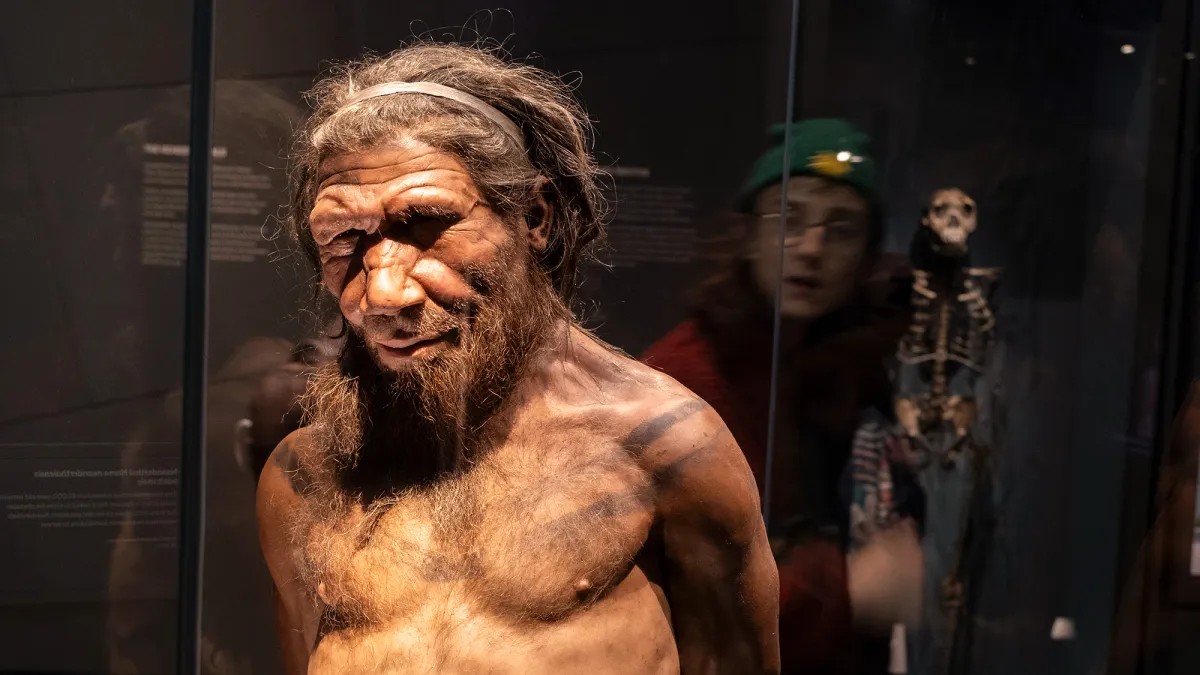
This is where the tech meets the soul. We Homo sapiens have been alone on this rock for tens of thousands of years. We got used to being the only humans around. But 60,000 to years ago? The world was crowded.
Neanderthals walked this earth. They left traces in our own DNA. We are part hybrid, sort of. We interbred. It happened.
So if we make a Neanderthal… are we making a person?
What gives us the right?
Cloned animals die at alarming rates. The ones that survive are often sick. Deformed. Stressed. Would we subject a human child to that? For science? For curiosity?
There’s also the shadow of the donor. Would the first Neanderthal child see itself as a copy? A relic? Or would it be something new, entirely isolated? We have no way of knowing.
I say no. I keep saying no.
Let them rest. Archaeologists like me still have work to do. Bones, tools, campsites. The material record speaks louder than a lab-created ghost. The past is enough. Maybe the future doesn’t need it.
Ask us anything.