Finding a story by qntm is rarely an accident. You stumble on a link, click, and suddenly you’re deep in a 40-chapter nightmare about glitched magic systems or parallel-universe social media platforms. The author—who works as a software developer named Sam Hughes by day—writes like someone who found a fascinating, slightly cringey corner of the early web. You don’t find it. It finds you.
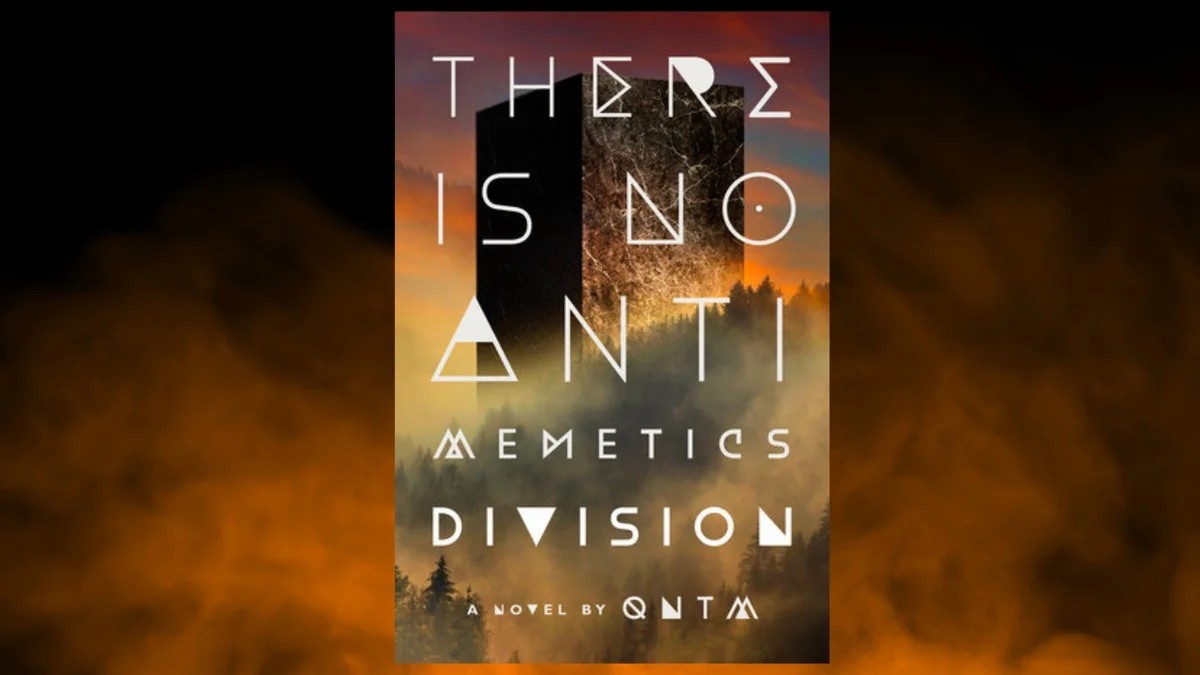
His latest book, There Is No Antimemetics Division (2025), drops readers into the present day. A government agency fights forces that weaponize forgetting. How do you fight an enemy you can’t remember? How do you trust teammates who vanish from your mind between breaths?
“This is a story about what happenswhen someone weaponizes your fallible memoryagainst you.”
qntm describes it as sci-fi horror. It moves fast. It aims to melt your brain.
The Contagion of Forgetting
We know what a meme is. A catchy idea. Something that spreads.
Politics are memes. Religion is a meme. Some catch fast, circling the globe. Others fizzle out.
Antimemes are the opposite. They refuse to spread. Maybe because they are complex. Maybe taboo. Maybe a secret you want to keep, even from yourself.
But in qntm’s fiction, an antimeme isn’t just hard to explain. It’s impossible to retain. Imagine standing right next to a person, then walking into a pole because you can’t perceive them. You trip. You fall. When you stand up, you don’t remember falling. You don’t remember the pole.
The mind protects you by deleting the evidence.
The Antimemetics Division studies this ecosystem. It ranges from mundane to cosmically terrifying. Take U-2256. The ones who walk very slowly. Kilometer-tall giants striding across the Pacific.
You can’t see them. Unless you take a specific hallucinogen. Even then, only from a distance. They are there, massive and slow, and your brain simply refuses to register them.
Debugging Reality
qntm thinks like a coder. Software development is about edge cases. You stress-test systems until they break, then fix them.
Science fiction is the same, just with higher stakes.
Give the world a new rule. Say, “Ghosts are real and operate under the laws of physics.” Then run the simulation. How does society adapt? How does history change retroactively to allow these ghosts to exist? If a billion humans interact with this rule simultaneously, what breaks?
If the “what if” is solid, the story writes itself. Readers who think like scientists or engineers recognize the logic. They feel rewarded when the characters make the right, calculated moves.
When Ideas Eat Each Other
Is the book real? No. Is the fear?
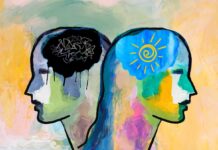
The first half deals with the erosion of critical faculties. Mental illness. Alzheimer’s. The horror isn’t the monster. It’s the realization that your own mind is betraying you. You can build systems to help. Habits. Reminders. But eventually, you need external help. There is no solo exit.
The second half tackles political ignorance. Bad ideas festering in the dark.
Here is the problem: in the story, ideas duel in some abstract space. In reality, ideas need bodies. Actions. qntm admits he doesn’t have the words for the solution.
Dystopias are easy to write. Writing an escape route? Nearly impossible. How do you combat a toxic idea without knowing the antidote? He doesn’t.
Writing in Public
This story started on the SCP Foundation, a wiki for fictional paranormal items studied like lab specimens. Serializing work online creates a feedback loop unlike anything in traditional publishing.
Post a chapter. Get comments instantly. Readers spot plot holes, catch typos, and theorize endings. It forces careful forward planning. It feels like collaborative storytelling, raw and immediate.
But now qntm is doing something different. His next book will be written offline.
No comments. No live audience. No experimental data on what’s working.
Just an editor. An agent. A sanity check.
He trusts them. But trusting the void?
Who knows.