Time is running out.
Members of the public have until July 13 midnight to speak on federal rule changes that would hand political appointees the power to decide which science grants get funded. Currently peer reviewers make these choices based on merit, not politics. If the rules pass the game changes completely.
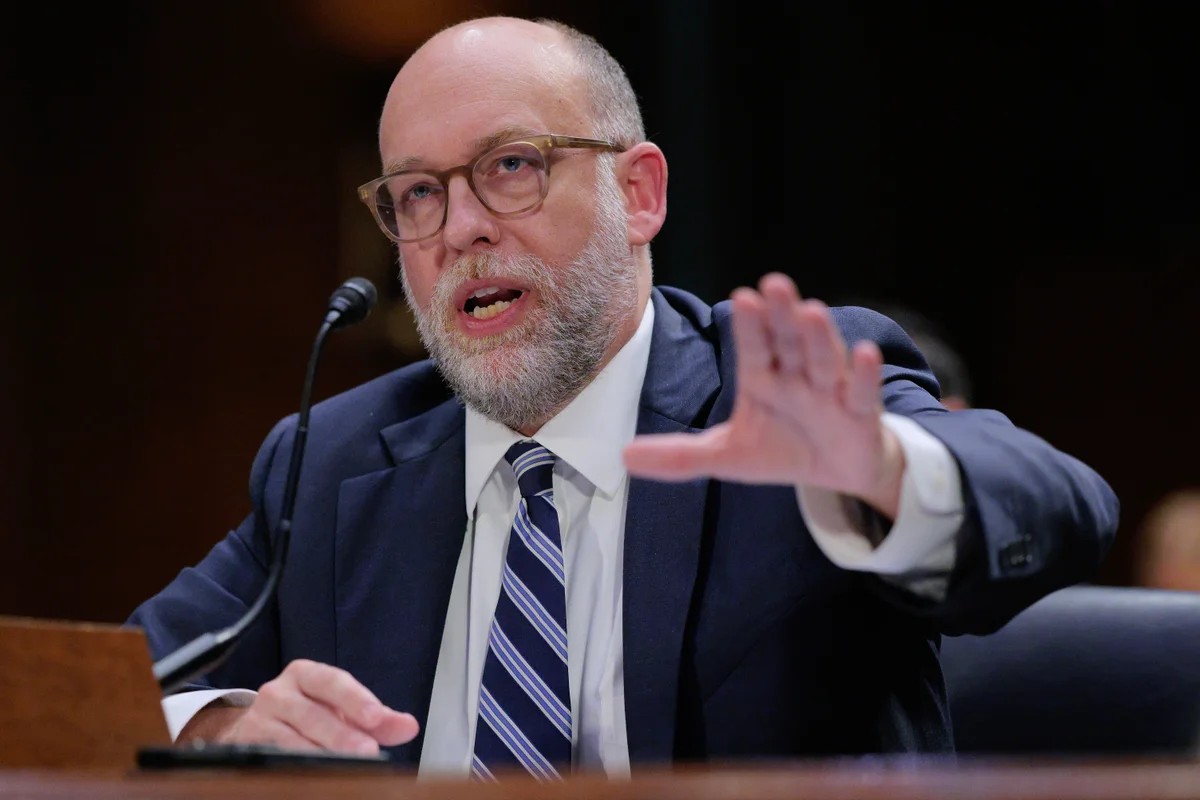
The Office of Management and Budget (OMB released the draft in May. It argues current awards promote a woke agenda under Biden. The OMB is led by Russell Vought who designed Project 2025 at the Heritage Foundation. Many scientists see this differently. They see it as the beginning of the end for objective research.
Almost 300,00 people have already commented. One analysis looked at 51,00 entries submitted by July 9.
94% opposed the change.
That number keeps climbing. Prominent groups asked their members to speak up, they listened. Even Nobel laureates are worried.
Physicist Wolfgang Ketterle from MIT won a prize for Bose-Einstein condensate work. He warned the regulations would destroy US leadership in fundamental science. He points out a irony. Quantum science is currently a government priority, yes, but it took twenty years of unfunded foundational work to get there. You can’t plan discovery.
“For the future of our nation we need exploratory research without alignment,” he wrote.
Then there is Martin Chalfie. A 2008 chemistry Nobel winner. He noted the peer-review system dates back to WWII and helped extend both lifespan and healthspan.
Having grants pass a political litmus destroys science. Simple as that. His own prize-winning research came from a NIH grant.
Others agree. Elizabeth Jacobs from the University of Arizona said the rule change terrifies her. She asked a sharp question. If an administration gets offended by a state leader, do we cut off disaster relief funds for that state? That seems crazy. But now it could be real. Public health becomes a football.
The American Meteorological Society sees broader stakes too. Researchers would struggle to publish findings or attend international conferences. The private sector loses contact. Severe weather predictions suffer. Drought response slows.
Why risk public safety for ideology?
The American Association for Cancer Research pointed to the data. Since 1991 the current peer-reviewed system cut the cancer death rate by 35%. That saved over 4.8 million lives. This happened because experts judged grants, not politicians.
The window closes in July. The comments keep flooding in. Nobody knows if anyone will listen.
The future of US science hangs in the balance. It might be politicized, or it might survive.
No one really knows what happens next. 🎲