If you’ve ever stared at a balance sheet and felt your brain melt, you are not alone. Most people treat personal finance and bookkeeping like a mystery box. You drop money in, hope it comes out bigger, and pray the tax man doesn’t knock. But it doesn’t have to be that way. You can actually understand how money moves. You can learn to read the signals. And you can do it from your couch.
Udemy has become a hub for this kind of practical knowledge. Not the dry, academic theory that puts students to sleep. Real, actionable skills. From risk analysis to capital increases. From portfolio management to asset calculations. There is a reason why millions of people are turning to online courses to sharpen their financial edge. It’s accessible. It’s affordable. And it’s surprisingly effective if you pick the right materials.
Why Learn Financial Basics Online?
The barrier to entry for learning finance used to be high. You needed a degree. Or an expensive certification. Or a mentor who didn’t hate you. Now? It’s just a subscription or a one-time fee.
Consider the variety of topics available. You aren’t stuck with one generic “money 101” class. You can dive deep into specific niches. Want to understand blockchain and virtual currencies? There are courses for that. Need to master Excel for accounting? Covered. Interested in passive income streams? That’s a whole category of its own.
This flexibility matters. Because your financial needs change. Maybe you’re a student looking to avoid debt traps. Maybe you’re a freelancer trying to figure out tax deductions. Or perhaps you’re a small business owner who needs to understand profit and loss statements without hiring an accountant every Tuesday.
Breaking Down the Curriculum
Let’s look at what these courses actually teach. It’s not just about memorizing terms. It’s about building a mental model of how economics works in the real world.
1. Virtual Currencies and Blockchain
This is where things get interesting. And confusing. For many, “crypto” is a buzzword. For others, it’s a scam. But understanding the underlying technology—the blockchain—is crucial for modern finance.
Courses in this sector don’t just tell you to buy Bitcoin. They explain the mechanics. How does a ledger stay secure? What is a smart contract? Why is decentralization a game-changer for trust? You learn to separate the hype from the utility. This knowledge is becoming a standard part of financial literacy. If you ignore it, you’re operating with blinders on.
2. Finance and Economics
These are the bedrock. You learn how markets react to news. How interest rates affect your mortgage. How inflation eats away at savings. It’s not just theory. It’s about recognizing patterns.
Take risk analysis. A good course will show you how to calculate potential losses before you make an investment. Not to make you afraid to invest. To make you invest smarter. You learn to diversify. You learn to spot red flags in a company’s financial health.
3. Investment and Trading
This is where theory meets practice. You might learn about stock picking. Or bond trading. Or options. The key is understanding the tools available to you.
Which brokerage platform is best for beginners?
Sanal para birimleri. Blockchain. Bu kelimeleri son yıllarda duymamış olmak neredeyse imkansız. Küresel çapta artan talep, bu kavramların sadece birer trend olmadığını gösteriyor. Peki, tam olarak neyle karşı karşıyız?
Bu sistemlerde para yerine geçen dijital değerlerin temsilleri var. Bitcoin, Ethereum, Tether, Litecoin, Nano, XRP… Listenin devamı uzun. Alım satım yapmak mümkün. Kripto para cüzdanı blockchain’i kullanarak bu varlıkları saklayabilirsiniz.
Finans Kursu
Uzmanlaşmak isteyenler için online eğitim seçenekleri mevcut. Udemy gibi platformlar, bireylere farklı alanlarda hizmet sunuyor. Sanal para birimi kursları. Bitcoin ticareti eğitimleri. Blockchain üzerine dersler. Teknik analiz. Algoritmik ticaret. Ethereum geliştirme. Hatta Blender gibi 3D modelleme araçları bile mevcut.
Bu çeşitlilik, öğrenme ihtiyacını karşılamak için geniş bir yelpaze sunuyor. Ancak hangi alana odaklanılmalı?

If you are looking to pivot into finance or just sharpen your existing skills without blowing your budget, Udemy is often the first place people look. The platform is stacked with courses that cover everything from the gritty details of financial accounting to the high-stakes world of investment banking.
The prices are low. Really low. Often just a fraction of what a university semester costs. But low price doesn’t mean low quality here. You get access to diverse topics like personal finance management, CFA prep, Excel for finance, and corporate finance strategies.
Let’s cut to the chase.
How to Choose the Right Economics Course on Udemy
You mentioned looking at economics specifically in section 3. Why does that matter? Because finance isn’t just math. It’s understanding the systems that drive the math.
When you’re scrolling through hundreds of options, how do you filter the noise?
- Check the instructor’s background. Do they work in the field? Or are they just teaching from a textbook? Real-world examples beat theory every time.
- Look at recent reviews. A course might have great ratings from 2019. That doesn’t help you with today’s tax laws or market trends.
- Preview the content. Click the free preview. Does the instructor explain complex concepts clearly? Or do they just read slides at you?
“The best finance course isn’t the one with the most videos. It’s the one that makes you feel confident opening a spreadsheet.”
Economics: The Foundation You Can’t Skip
You can’t master finance without grasping basic economic principles. Inflation. Supply and demand. Monetary policy.
These aren’t just buzzwords. They determine why interest rates rise or fall. They dictate how your personal budget should shift during a recession.
Udemy has several courses dedicated to introductory economics and macroeconomics for beginners. These are perfect for students who feel overwhelmed by dense textbooks.
Why take an online course instead of a library book?
- Interactivity. Quizzes force you to engage.
- Updates. Economic data changes fast. Good instructors update their materials.
- Community. You can ask questions in the Q&A section.
Practical Steps to Start Learning Today
Don’t just buy the course. Plan your study time.
- Set a schedule. Even 15 minutes a day adds up.
- Take notes. Writing things down helps retention.
- Apply what you learn. If the course covers Excel for finance, open Excel. Follow along. Break things. Fix them.
This isn’t about memorizing definitions. It’s about building a mental model of how money moves.
The goal isn’t to pass a test. It’s to understand the landscape.
Once you get the economics right, the finance part clicks into place. It’s like learning the rules of the game before you start playing.
Where do you stand now? Confused by terms like “liquidity” or “debt-to-equity”? Start with the basics. Build from there.
The market doesn’t wait for you to be ready. Neither should your learning.

Udemy gibi platformlarda sunulan bu eğitimler, sırf teorik bilgi vermek için değil. Daha çok veriyi anlamlandırmayı hedefliyor. Deneyimli eğitmenler, karmaşık ekonomik göstergeleri basitçe çözüyor. Mikroekonomiden makroekonomiye. Regresyon analizinden kişisel bütçelemeye. Her şey burada.
Ekonomi derslerinde hangi konulara odaklanmalısınız?
Standart liselerdeki ekonomi derslerinden çok daha derinlere iniyorsunuz. Girişimcilik temelleriyle başlayıp, siyaset biliminin ekonomiye etkisini inceliyorsunuz. Statistiki araçlara hakimiyet şart. Stata kullanımı, veri setlerini yorumlama biçimi… Bunlar iş dünyada sizi diğerlerinden ayıran ayrıntılar.
Muhasebe ve finansın kalbi ekonomiyle atıyor. Finansal verileri analiz edebilmek için sadece rakamlara bakmak yetmez. Arka plandaki nedenleri bulmanız gerekir. Kişisel finans yönetimi de bu paketin önemli bir parçası. Küçük harcamalarınızı yönetmeden büyük sermayeleri yönetemezsiniz.
Yatırım ve Ticaret Kursu
Ekonominin temelini attınız mı? Şimdi sıra geldi sermayeyi hareket ettirmeye. Yatırım ve Ticaret Kursu, borsadan kripto para birimlerine, emtia piyasalarından vadeli işlemlere kadar geniş bir yelpaze sunar.
Burada öğrenilenler sadece “ne alıp ne satmalı” sorusuna cevap vermek değildir. Piyasa psikolojisini okumaktır. Riske karşı duruşunuzdur. Bir hisse senedi seçerken temel analiz mi, teknik analiz mi kullanacağınıza karar vermenizdir.
- Piyasa Analizi: Hangi sektörler büyüyor? Hangileri düşüş trendinde?
- Risk Yönetimi: Para kaybetme ihtimalini minimize etmenin yolları.
- Strateji Geliştirme: Kısa vadeli ticaret mi, uzun vadeli yatırım mı?
Udemy’de bu kursları satın alırken eğitmenin geçmiş başarılarına ve öğrenci yorumlarına dikkat edin. Teori iyi ama uygulama şart. Gerçek piyasa verileri üzerinde pratik yapma imkanı sunan dersler seçin.
Doğru eğitimle finansal özgürlük kapıları aralanır. Ama bu kapıyı açan anahtar sabır.

Kâr amacı güden bir aktivite mi, yoksa birikimlerinizi büyütmek için uzun vadeli bir strateji mi? Soru şu: Finans dünyasında sadece hisse senedi almak veya forex piyasalarında dalgalanmaları takip etmek yetmez. Arkada gerçek bir altyapı yoksa, yukarıdaki tüm araçlar tehlikeli bir kumar haline gelir. İşte buraya muhasebe ve defter tutma giriyor.
Birçok yeni yatırımcı bu iki terimi “sıkıcı” veya “bireysel gelişim için gereksiz” bulur. Yanılıyorlar. Muhasebe, finansal dilin grameridir. Temel kelime dağarcığına hakim olmadan edebiyat yazamazsınız. Finansal analiz, teknik analiz veya opsiyon ticareti gibi konulara geçmeden önce, paranızın nereden geldiğini, nereye gittiğini ve orada ne yaptığını net bir şekilde takip etmelisiniz.
Udemy gibi platformlar, bu alandaki eksiklerinizi kapatmak için pratik çözümler sunar. Peki, neden bir yatırımcı için defter tutma teknikleri, borsa haritalarından daha önemlidir?
Neden Muhasebe Bilmek Zorunlu?
Muhasebe sadece şirketler için değil, bireysel finansal özgürlük isteyen herkes için bir hayatta kalma aracıdır. Hisse senedi alım satımı yaparken bile, bir şirketin bilançosunu okuyabilmeniz gerekir. Bilanço nedir? Şirketin o anki finansal durumu. Cari durum nedir? Şirketin nakit akışı.
Eğer bu kavramlara yabancıysanız, teknik analizdeki tüm grafikleri okusanız bile, şirketin temettü ödeyemeyecek hale gelip gelmediğini göremezsiniz. Yani grafik size “ne zaman al” der, muhasebe ise “bu şirket gerçekten var mı, yoksa bir balon mu?” sorusunu yanıtlayarak sizi büyük kayıplardan korur.
Defter tutma ise daha da kişiseldir. Günlük harcamalarınız, yatırım gelirleriniz ve giderleriniz… Bunları kaydetmek, hangi yatırım aracının size gerçekten para kazandırdığını, hangisinin ise sadece zamanınızı çaldığını ortaya çıkarır.
Udemy Üzerinde Hangi Kurslara Odaklanmalısınız?
Udemy, yatırım ve ticaret alanında uzmanlaşmak isteyenler için sadece piyasa analizi kursları sunmaz. Muhasebe temeli olmayan bir yatırımcının, ileri seviye finansal analiz yapması zordur. Bu nedenle, aşağıdaki gibi temel ve ileri düzey muhasebe kursları, kariyerinizde veya kişisel yatırım portföyünüzde size diğerlerinden bir adım öne çıkarır:
- Temel Muhasebe İlkeleri:
- Borç ve alacak mantığı
- Bilanço ve gelir tablosu okuma
-
Nakit akışı yönetimi
-
Yönetim Muhasebesi:

Tracking Business Transactions
Keeping books isn’t just about scribbling numbers. It’s the backbone of any business. The state watches this closely. Every transaction gets logged in commercial ledgers. This record shows everything. From daily cash flow to final tax calculations. If the math is wrong, the government knows. For anyone wanting to become an accountant, learning this is non-negotiable. You need to master the mechanics of bookkeeping. It separates the pros from the amateurs.
There are ways to learn these skills without breaking the bank. Online platforms offer structured courses. Udemy.com has a range of options. The prices are often lower than traditional college courses. You can pick up skills from experts. All you have to do is click a link and enroll. It’s a direct path to understanding financial responsibility.
Why Bookkeeping Matters for Taxes
Why does the state care so much? Because every ledger entry ties directly to your tax liability. If you miss a detail, you might overpay. Or underpay. Both are risky. Accurate books mean accurate taxes. This protects your business from audits. It also helps you plan for the future. You can’t manage what you don’t measure.
For students and parents, this is a practical lesson. It shows how small businesses operate. For lifelong learners, it’s a skill that never goes out of style. Accounting rules change. But the need for clear records stays the same.
How to Start Learning Bookkeeping
You don’t need a degree. You need a plan. Here is how to approach it:
- Choose a platform. Look for sites with verified reviews.
- Pick a beginner course. Avoid advanced topics at first.
- Practice with examples. Real-world scenarios help solidify concepts.
- Stay updated. Tax laws evolve. Keep learning.
This process is straightforward. But it requires attention to detail. One small error can cascade. That’s why structured learning is key.
The Role of Digital Tools
Modern bookkeeping isn’t just pen and paper. Software plays a huge role. Tools like QuickBooks or Xero automate much of the work. But you still need to understand the underlying principles. Software makes mistakes too. A human needs to verify the data. This is where your knowledge comes in.
For those in Turkey, the terminology might differ. “Defter tutma” is the local term for keeping books. Understanding the local context is important. It’s not just translation. It’s about knowing the specific regulations.
Is It Worth the Investment?
Yes. The cost of a course is tiny compared to the cost of a tax penalty. Think about it. A few hundred dollars for a course. Thousands in fines if you mess up. The math is simple. Knowledge pays for itself.
Plus, it’s a valuable skill. Even if you don’t become an accountant, knowing how to manage money is useful. It helps in personal finance too. Budgeting. Tracking expenses. Saving. The principles are similar.
What’s Next in Your Learning Journey?
Bookkeeping is just the start. After this, you might explore payroll. Or tax preparation. Each step builds on the last. The more you learn, the more confident you become. Confidence leads to better decisions. Better decisions lead to success.
So, take that first step. Click the link. Enroll in the course. It
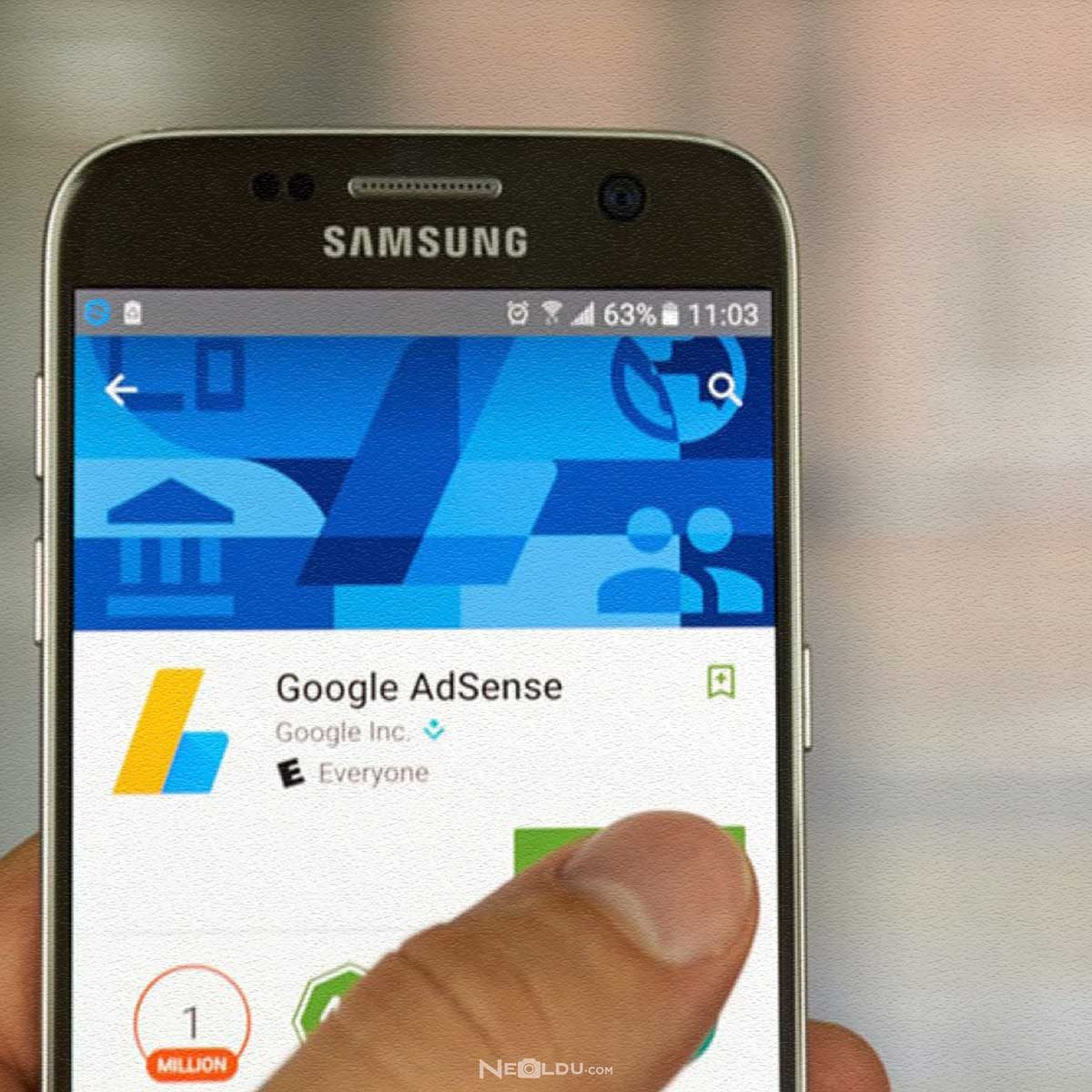
Let’s cut through the noise. Google AdSense isn’t a magic money printer. It’s a system. Specifically, it’s the framework that lets online creators turn views and clicks into actual cash without taking on huge risks. If you’ve ever wondered how websites and YouTube channels fund themselves between sponsorships or product sales, this is usually the engine under the hood.
But here is where most people get stuck. They look at AdSense and see complexity. They don’t see the mechanics. The truth is simpler. You place ads. People see them. You get paid. The trick isn’t the act of placing them. It’s optimizing them for the highest yield while keeping your audience from bouncing away in frustration.
Many searchers are currently hunting for “how to earn money with Google AdSense” and hitting dead ends. They find generic advice that doesn’t scale. They need structure. That’s exactly what structured learning on platforms like Udemy provides.
### The Gap Between Knowledge and Income
There is a massive difference between knowing what AdSense is and knowing how to squeeze maximum value from it.
Most beginners start by just slapping a banner code on their sidebar. They wait. Nothing happens. Or worse, low-paying ads show up. Their RPM (revenue per thousand impressions) tanks. They quit.
The problem isn’t the platform. It’s the strategy.
Successful publishers don’t guess. They use data. They understand which ad formats convert. They know where placement impacts user experience without killing revenue. They research which niches attract high-paying advertisers. This isn’t intuition. It’s learned skill.
“AdSense is not passive income until you’ve actively engineered it.”
If you are serious about treating your blog or channel as a business, you cannot afford to leave money on the table. Every empty ad slot or poorly placed unit is lost revenue.
### Structured Learning on Udemy
This is where the Adsense courses on Udemy come into play.
Udemy isn’t just a random marketplace for videos. It is a curated repository of practical, step-by-step guides. You won’t find abstract theories here. You will find screen recordings of people setting up accounts, adjusting code, and analyzing reports.
Why does this matter?
Because visual learners need to see the interface. Because technical users need to know exactly which setting controls display ads versus search ads. Because parents and students need a clear roadmap, not a maze.
When you enroll in a dedicated AdSense course, you get:
- Step-by-step setup guides that prevent common rejection reasons.
- Placement strategies for blogs, YouTube, and apps.
- Optimization techniques to boost click-through rates (CTR) safely.
- Policy compliance checks to keep your account from being suspended.
These aren’t theoretical concepts. They are tactical moves.
### Who Benefits From These Courses?
Let’s be specific about the audience.
Students often look for side hustles that don’t conflict with study schedules. Writing a blog or starting a niche YouTube channel fits that mold. AdSense provides a low-barrier entry point. But without guidance, they waste months. A course compresses that timeline.
Parents juggling work and family might want a flexible income stream. Content creation offers

Why Online Coaching Courses Are the Smartest Upgrade
Let’s cut through the noise. Coaching isn’t just a buzzword thrown around by people who want to charge premium rates for listening. At its core, it’s a structured business model where a trained professional guides another person toward specific personal or professional goals. We see it everywhere now. Health. Sports. Career pivots. Even life management. The demand is real because people are tired of figuring it out alone.
But here’s the catch. You can’t just call yourself a coach and expect trust to follow. Trust comes from competence. And competence comes from training.
If you are serious about entering this field, skipping the basics is a recipe for disaster. You need mentorship from established experts in the field. You need to understand the frameworks, the ethics, and the psychology behind guidance.
The Low-Cost Barrier to Entry
This is where most people get stuck. They think professional certification requires a massive financial investment or a two-year degree program. That’s an outdated belief. The shift to digital learning has democratized access to high-quality coaching education.
Udemy has become the go-to platform for this specific niche. Why? Because it removes the gatekeeping.
You don’t need to pay thousands for a classroom seat. You can access comprehensive coaching courses for a fraction of that cost. The price point is often just a few dollars during sales, making it the most cost-effective way to upskill.
How to Get Started in 3 Steps
- Identify Your Niche. Are you looking at corporate executive coaching? Life balance? Fitness transformation? Define what you want to teach before you start learning.
- Find a Highly-Rated Course. Look for instructors with verified credentials and high student ratings. Don’t just buy the cheapest option; buy the one with proven results.
- Commit to the Curriculum. Take notes. Practice the techniques. Coaching is a skill, not just knowledge. You have to do the work.
“Professional coaching is not about guessing. It’s about applying proven methodologies to help clients unlock their potential.”
Online Learning: The New Standard
All these courses are delivered online. This isn’t a compromise on quality; it’s an evolution. You can learn at your own pace. You can revisit complex modules. You can fit education into a busy schedule.
For students, parents, and lifelong learners, this accessibility changes everything. You no longer need to quit your job or relocate to take a step forward in your career. You just need a laptop and the willingness to learn.
If you’re ready to stop wondering if you’re “cut out” for coaching and start building the actual skills, the path is clear. Click the link below to find a course that fits your budget and your goals. The barrier to entry has never been lower.

Remote work isn’t just a buzzword anymore. It’s the standard for millions. Who wants to sit in traffic when you can open a laptop and start your shift? The flexibility is the main draw. You set the pace. You choose the environment.
But knowing how to work remotely is one thing. Knowing how to deliver high-quality digital products is another. That is where skills come in. Specifically, presentation skills.
Why Mastering PowerPoint Matters for Remote Professionals
Many people think PowerPoint is basic. They are wrong. In a remote-first world, your slides are often the only physical representation of your ideas. If they are clunky, your credibility takes a hit. If they are sharp, you look like a pro.
Online courses teach you more than just drag-and-drop features. They cover design theory. Visual hierarchy. Storytelling through data. These are transferable skills. They help you pitch to clients. They help you onboard new team members. They help you explain complex concepts without putting everyone to sleep.
The demand for skilled presenters has never been higher. Companies are hiring remote trainers. They need internal communications specialists. They need marketing creatives who can make decks that convert.
What You Will Actually Learn
A good online course breaks down the process. It does not assume you are a graphic designer. It meets you where you are.
- Template customization : Stop using the default blue background. Learn to build your own brand-consistent themes.
- Animation logic : Motion should guide the eye. It should not distract. Courses teach you when to use simple fades versus complex morphs.
- Data visualization : Turning a spreadsheet into a clear chart takes practice. You learn which charts work for which data sets.
- Presenter view : Remote presentations often happen over Zoom or Teams. Mastering the speaker notes and dual-monitor setup is a critical technical skill.
Who Should Take This Course?
You do not need an art degree. You need a desire to communicate better.
If you are a student, this skill will set you apart in internships. Professors love clear, concise presentations. If you are a parent looking to freelance, this is a low-barrier entry point. You can offer slide design services on freelance platforms.
Udemy and similar platforms host courses created by industry experts. These are not theoretical lectures. They are hands-on tutorials. You follow along. You build. You export.
The ROI of Learning Presentation Design
Time is money. A poorly made slide wastes minutes of meeting time. It causes confusion. It leads to follow-up emails. A polished deck moves meetings forward. It gets approvals. It wins contracts.
Learning to make great slides is an investment in your own efficiency. It reduces friction in remote communication.
Once you have the skills, the opportunities expand. You can create digital products. Sell templates. Offer consulting. The remote job market rewards specialists. Presentation design is a niche that pays well if you do it right.
Start small. Pick one feature to master this week. Maybe it’s using the ‘Morph’ transition. Maybe it’s aligning objects perfectly. Progress comes from repetition. Not perfection.
The screen is your canvas. Make it count.

Let’s be honest. We’ve all sat through presentations that could have been an email. Or a text message. PowerPoint is Microsoft’s answer to visual storytelling, and while it’s been around forever, it hasn’t lost its edge. In fact, it’s become a universal language in both boardrooms and lecture halls.
If you’re a student, you need it for thesis defenses. If you’re in business, you need it to secure funding or explain a quarterly report. The gap between a mediocre slide deck and a great one? That’s where career trajectories shift. But knowing the software isn’t enough anymore. You need to know how to use it to build value.
That’s where the online learning market steps in. Platforms like Udemy have democratized this skill. For the price of a few coffees, you can access courses that take you from basic templates to advanced animation techniques. It’s not just about clicking buttons. It’s about design logic, audience psychology, and clear communication.
10. The Passive Income Angle
Here is the twist. You don’t just learn PowerPoint to make your slides better. You learn it to sell the result.
This section introduces the concept of a Passive Income Kursu (Passive Income Course). Why is this relevant to your PowerPoint journey? Because expertise is a product. Once you’ve mastered the tool through those affordable online courses, you aren’t just an employee. You become a creator.
Think about the friction points people face when trying to learn this themselves. It’s tedious. It’s trial-and-error heavy. This is where you step in. By packaging your newfound knowledge into a course, a template pack, or a consulting service, you turn a skill into a revenue stream. The barrier to entry is low. The demand is high.
“The best time to plant a tree was twenty years ago. The second best time is now.”
Applying this to digital skills means starting the learning process today so you can monetize it tomorrow. The low cost of entry on learning platforms means the risk is minimal. The potential upside? Unlimited. You are essentially buying a toolset that allows you to solve expensive problems for others, or teach others how to solve them.
It’s not about getting rich quick. It’s about building a asset that works while you sleep. And in an era where attention spans are shrinking and visual content is king, PowerPoint isn’t just a relic. It’s a fundamental building block of modern communication. Master it. Then, sell the mastery.

Pasif gelirin özünü anlamak, çoğu insanın aklındaki o “uyurken kazanma” fikrini gerçekçi bir çerçeveye oturtmayı gerektirir. Tanımı basit. Bir amaç doğrultusunda emek harcarsınız. Sonrası otomatik. Para akışı başlar. Bu sadece yatırım yapmak değil, önceden yapılmış işin karşılığını almak olarak da görülebilir.
Geleneksel örnekler bellidir. Araç kiralamak. Yatırım amaçlı gayrimenkul edinmek. Parayı borsa araçlarına yönlendirmek. Hepsi doğru. Hepsi pasif gelir kategorisine girer. Ancak herkesin elinde büyük bir sermaye veya lüks bir emlak portföyü yok. Peki, sermaye kısıtlaması olan biri ne yapar?
İşte burada Udemy devreye giriyor.
Online eğitim platformu Udemy, pasif gelir alanında uzmanlaşmak isteyenler için tek bir ürün sunmuyor. Onlarca, hatta yüzlerce farklı kurs barındırıyor. Bu kurslar, konuyu derinlemesine inceleyen eğitmenler tarafından hazırlanmış. Katılımcılar sadece teoriyi öğrenmiyor. Kendi ticari faaliyetlerini kurma adımlarını da somutlaştırıyor.
Udemy Kurssları ile Pasif Gelir Rehberleri
Birçok insan bu platformu sadece yazılım dilleri öğrenmek için biliyor. Yanlış anlama yok, bu güçlü bir yön. Ama pasif gelir konusundaki dersler de oldukça derin. Sorularınızın cevaplarını burada bulabilirsiniz:
- Pasif gelir nedir? Temel kavramlar netleştiriliyor.
- Nasıl elde edilir? Adım adım süreçler anlatılıyor.
- Püf noktaları nelerdir? Hata yapmamak için ipuçları paylaşılıyor.
- Hangi ticari faaliyetler uygun? Kişisel durumunuza göre model seçimi yapılıyor.
Bu kurslar, soyut bilgilerden ziyade uygulamaya yönelik. Birini seçtiğinizde, o alandaki en önemli araçları ve yöntemleri elinize alıyorsunuz. Kendi işinizi kurma sürecindeki ilk adımları atabiliyorsunuz.
Hangi Kursu Seçmelisiniz?
Piyasada binlerce kurs var. Doğru olanı seçmek zaman alabilir. Ama odak noktanız pasif gelir ise, şunlara dikkat edin:
- Eğitmenin Geçmişi: Sadece teoriden mi bahsediyor, yoksa kendi deneyimlerini mi paylaşıyor?
- Müfredatın Yapısı: Konular mantıksal bir sırayla ilerliyor mu?
- Güncellik: Piyasalar ve dijital araçlar hızla değişiyor. Dersler güncel mi?
- Yorumlar: Gerçek kullanıcılar ne diyor?
Udemy’deki bu çeşitlilik, her seviyeye hitap etmesini sağlıyor. Başlang

Muhasebe sadece rakamları toplamak değil. Varlıkların ve kaynakların hareketlerini sınıflandırıp yorumlayan bir dil. Ticari faaliyetlerin omurgası burası. Finans ise parayı nasıl yöneteceğinizi gösteren strateji. Yatırım yapmak için gereken zihniyet buradan geliyor.
Bu iki alan, bireysel veya kurumsal gelir elde etme çabalarının merkezinde duruyor. Online eğitimler bu süreci hızlandırıyor. Uyumluluktan blockchain’e. Vergiden teknik analize. Her şey şu anda bir tuşa basarak ulaşılabilir.
Sektörde öne çıkmak için ne yapmalısınız? Doğru kaynaklara yatırım yapmak. İşte yetkinliğinizi bir üst seviyeye taşıyacak en etkili on eğitim.
1. Udemy: Muhasebe ve Finans Temelleri
Başlangıç seviyesi için en pratik çözüm. Bu platformda binlerce kurs var. Ama hangisi işe yarar?
Muhasebe ve defter tutma temellerini öğrenmek istiyorsanız, yüksek puanlı, güncel müfredata sahip kurslara bakın. “Nasıl yapılır” odaklı. Adım adım. Gerçek senaryolar üzerinden.
“Teoriyi pratiğe dökmeden muhasebe öğrenilemez.”
Udemy’deki popüler kurslar genellikle Excel ile entegre çalışır. Bu, iş dünyasında en çok talep edilen becerilerden biri. Sadece kağıt üzerinde değil, dijital ortamda da çalışmayı öğrenirsiniz.
2. Coursera: Finansal Modelleme ve Analiz
Daha akademik, daha derin bir yaklaşım. Coursera, üniversite işbirlikli programlar sunar.
Finans alanında uzmanlaşmak isteyenler için finansal modelleme kritik bir beceri. Bu kurslar, şirketlerin geleceğini tahmin eden modelleri oluşturmayı öğretir.
Hangi üniversiteler?
– Wharton (Pennsylvania)
– Columbia Üniversitesi
– Imperial College London
Bu sertifikalar, CV’nizde ağırlık taşır. Özellikle yatırım bankacılığı veya kurumsal finansman hedefliyorsanız.
3. edX: Ekonomi ve Finansal Okuryazarlık
Ekonomi, paranın neden değerli olduğu sorusuna cevap arar. edX’taki kurslar, makroekonomik eğilimleri anlamanızı sağlar.
Neden önemli?
– Faiz oranlarındaki değişimleri öngörmek.
– Enflasyonun yatırımlara etkisini anlamak.
– Global piyasalarda hareket alanı yaratmak.
“Küresel ekonomi nasıl çalışır?” sorusuna net bir cevap arayanlar için ideal. MIT gibi köklü kurumların içerikleri burada yer alır.
4. LinkedIn Learning: Kişisel Finans ve Bütçe Yönetimi
Kişisel finans, kurumsal finansın küçük bir aynasıdır. Bütçe yapmak, nakit akışını yönetmek.
Bu platformda koçluk tarzı kısa dersler var. Hız