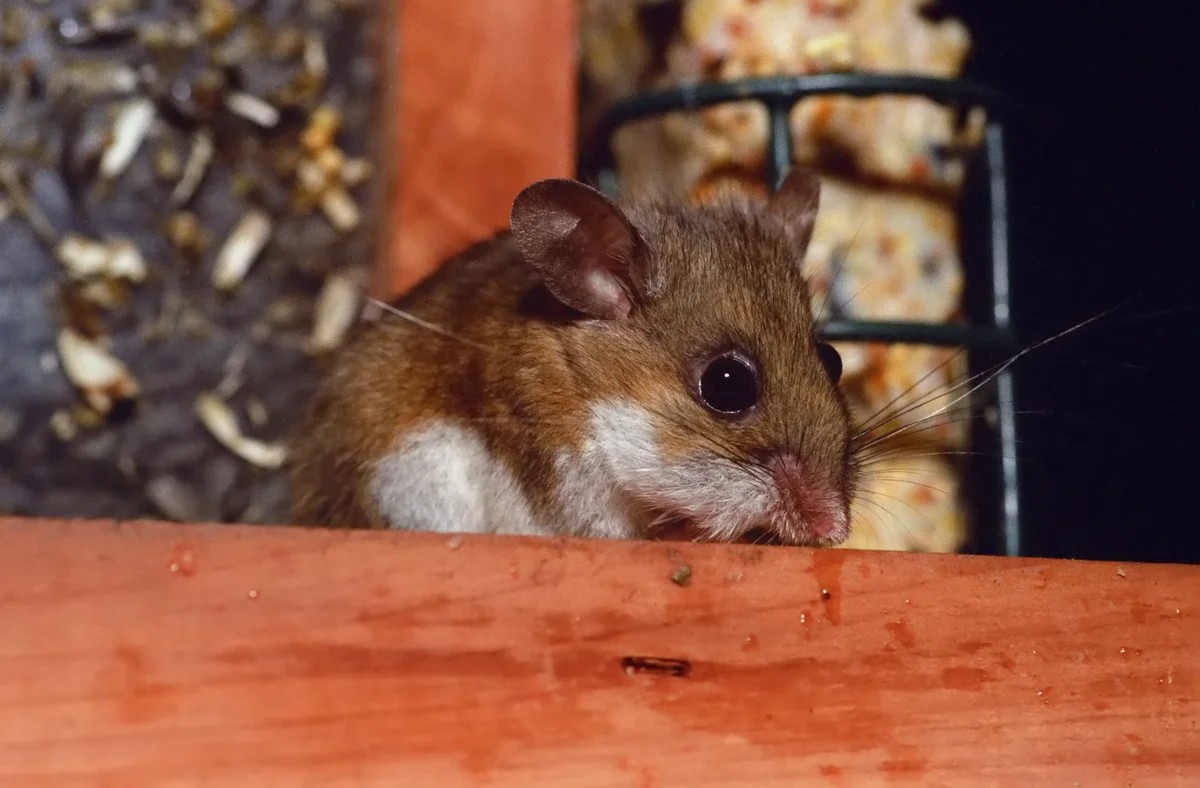
Rats. Mice. Chipmunks. A shockingly high number of them were carrying the Sin Nombre hantavirus.
Stephanie Seifert caught them. She is an assistant professor at Washington State University. Her team published the findings in Emerging Infectious Diseases late in April.
Here is the thing. It wasn’t the Andes virus. That is the one currently making headlines on a cruise ship, sickening people and killing three so far. Sin Nombre belongs to the same family, yes. But it is distinct. The study took place last summer, before the outbreak at sea ever happened.
The numbers are sticky. Roughly 10% of the 189 captured animals had the virus actively present in their systems at the time. Antibodies showed up in almost 30%.
That means exposure is far more common than we thought.
Seifert calls the results surprising. Previous suspects had it low.
How does this matter?
You do not catch Sin Nombre from a cough. Human to human transmission does not exist. You have to breathe in the dust. Feces. Urine. Direct contact with rodents and their mess. This bottleneck keeps human cases rare.
Rare but lethal.
Think 1993. Four Corners. Eleven dead. Nearly two dozen sick. That is when the world met the virus. Mortality sits between 35% and 50%. It does not play.
Most US cases land in the Southwest. Always has. Yet the Pacific Northwest punches above its weight. Look at the data from 1993 to 2022. Eight hundred sixty-four total US cases. One hundred nine of those happened in Idaho, Oregon, or Washington.
Seifert notes the lack of historical baselines. We have no idea if rodent carriage has grown or stayed flat over the decades.
Climate might be shifting the needle though. Wet winters feed plants. Plants feed mice. Warm winters mean breeding lasts longer. Survival odds go up. More rodents.
Land use changes the dynamic too.
“We know tilling is disruptive to rodents,” Seifert said, describing how traditional farming scares them off. “Which flee the croplands to surrounding refugee including rural homes.”
Farmers are moving to no-till methods now. Good for soil maybe. But does it keep rodents closer to the farm? Or does it allow diverse populations to expand right up to our porches?
Seifert doesn’t know.
She wants to know. She just doesn’t have the money. Funding dried up.
The question remains hanging in the air. Are we safer with quiet fields or louder ones? Nobody has answered yet.