It costs money. Way more than you think.
By adding just one minute to your daily drive, you could save $26 million every day nationwide.
Sounds like a joke, right? It isn’t. A new study out of the University of Minnesota puts a price tag on the thrill of hitting the gas pedal. Not the thrill, actually, the drag. Air resistance pushes back against your car. Harder when you go faster. The engine has to burn more fuel to overcome it. Basic physics, but Will Northrop, a mechanical engineering professor, wanted to know exactly how much extra cash that physics is costing us.
Previously, it was just a concept. Speeding burns more gas. Everyone knew that. Now we have the numbers.
His team had a unique advantage. They got their hands on a massive dataset of real vehicle trajectories across the US. Real cars. Real roads. Real speeding tickets waiting to happen in the data. The info came from car manufacturers and tracked locations and speeds every three seconds on four different days throughout the year. They mapped the GPS coordinates onto local speed limits, did the math, then wiped the personal identifiers.
Privacy preserved, data revealed.
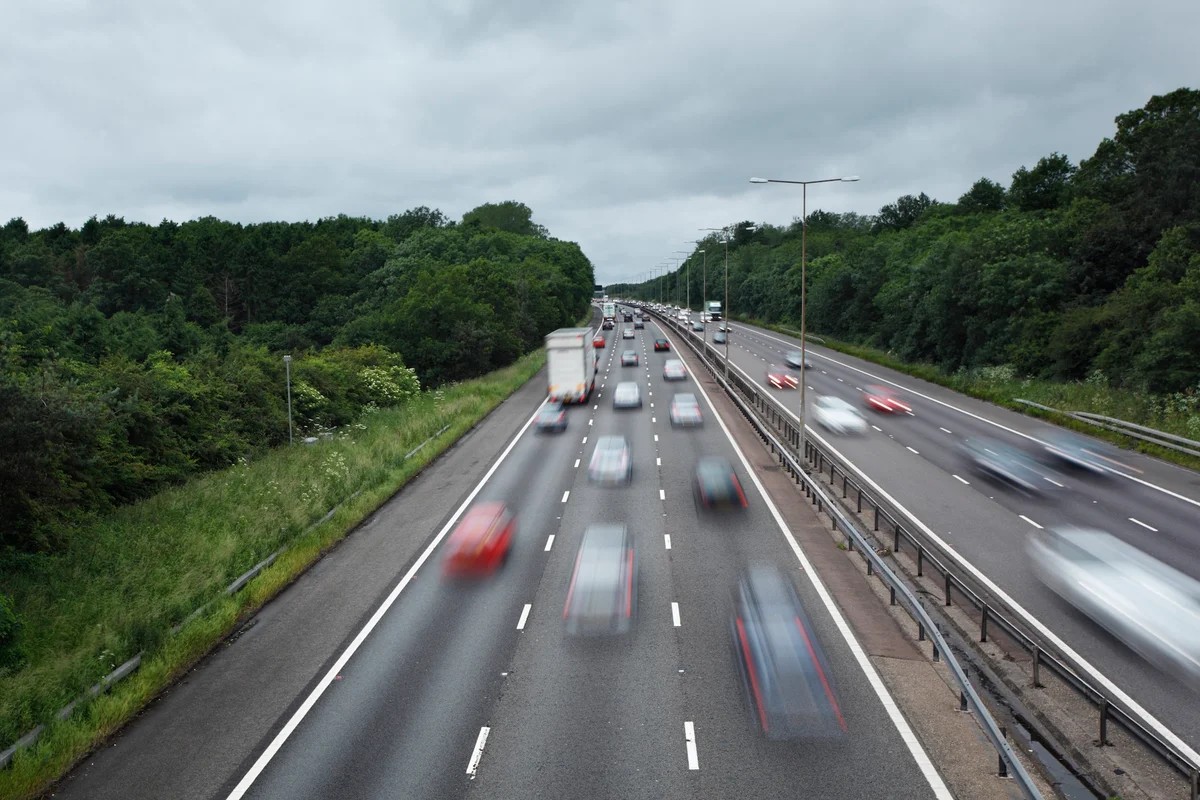
Out of 120 million analyzed trips, 43 percent involved some speeding.
That is nearly half.
Northrop’s team used a supercomputer to simulate these trips without the speeding. Imagine running that calculation. It took years of processing power. But the results are clear.
Based on 2021 prices, avoiding the speed limit violations would have saved drivers $22 million every single day. Gas prices went up. We are in 2024 now, looking toward 2026. The estimated daily savings is now closer to $26 million. Plus, they’d be cutting nearly 60,00 metric tons of CO2 emissions each day.
Why don’t we do it?
Traffic makes it messy. Real life is complicated. Northrop admits their study doesn’t account for road rage or gridlock. Sometimes you speed because you can’t go slow, not because you want to go fast. But the habit itself? The engineers see the data as the solution, even if it doesn’t change behavior on its own.
“We don’t have a social solution,” Northrop said. “We are engineers. We’re putting the data out there so people know this is what speeding causes.”
It leaves the choice to us. Burn the extra gas. Pay the extra tax on carbon. Or just slow down.
The road is there. It’s usually wide enough for two speeds, or maybe just one sensible one.