
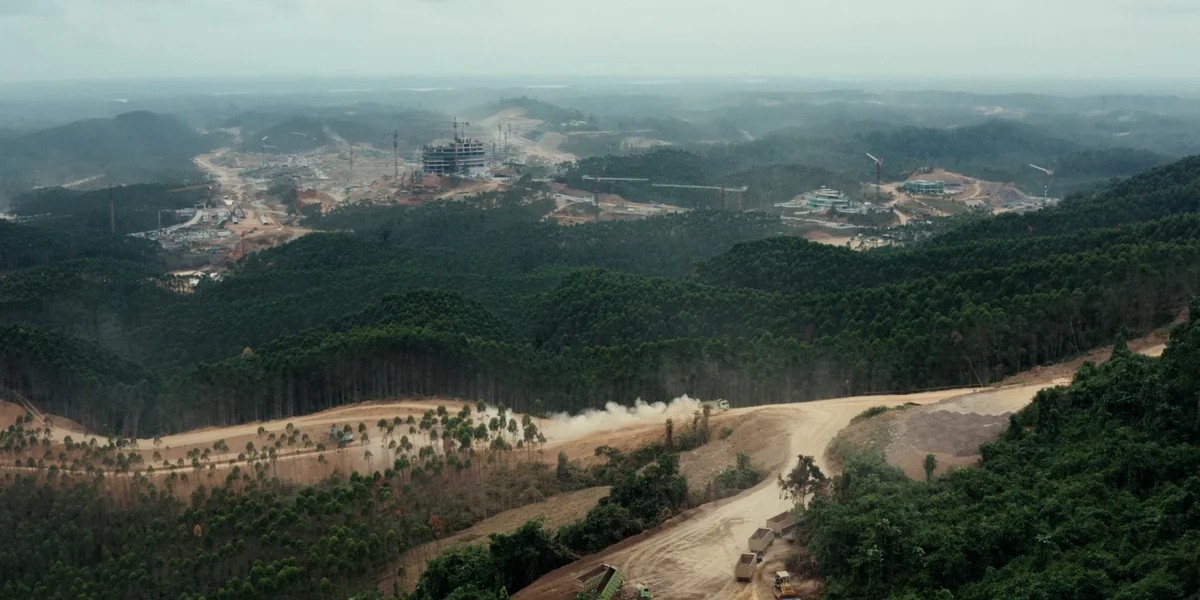
Джакарта тонет.
К 2050 году треть города может оказаться под водой из-за просадки грунта и повышения уровня моря. Поэтому Индонезия строит новую столицу. На Борнео. К 2045 году правительство надеется запустить умный и «зеленый» мегаполис. Они назвали его Нусантара.
Звучит грандиозно. В рекламных роликах говорят о встрече истории и будущего в центре биоразнообразия. О коллективном усилии.
Но у леса есть свои планы.
Венди Эрб, эколог, почувствовала, что что-то не так, в тот самый момент, когда столица перенесли на Калимантан. Она работает там уже десять лет. Перемещение сердца нации вглубь тропического леса — это не просто вопрос недвижимости. Это биологическое событие.
«У нас есть рекордеры на вершинах гор, в мангровых зарослях, рядом с пещерами».
Задача проекта на бумаге проста: захватить акустический ландшафт. Создать капсулу времени, пока не нагрянули машины. Они отбирали двадцать участков. Записывали звуки в течение十八 месяцев.
Они хотят понять, куда уходит дикая природа, когда меняется шум. Когда включаются бензопилы.
Шум перемен
Познакомьтесь с Абидином.
Он всю жизнь живет в Пемалуане. Родился там. Никогда не переезжал. Это земля его предков. Он любит горы. Тишину. Безопасность.
Затем начались стройки.
«Гиббоны кричат на рассвете. Совсем чуть-чуть до утра. Если они кричат в девять или десять, а в лесу тихо… значит, кто-то умрет. Так мой дедушка это понимал. А теперь я слышу бензопилы».
Абидин помнит времена, когда самым громким существом в лесу была белохокая водяная курица. Когда кричали дятлы. Когда великий аргус был королем поляны. Народ Балик почитал эту птицу. Его собственные дети не знают, как она звучит.
Великий аргус — символ местной флоры и фауны. Но его присутствие угасает.
Вместо птиц теперь слышны металлические звуки. Гул двигателей. Резкий визг техники заменяет хор гиббонов. Абидину страшно. Не только за птиц. За память его народа. Если исчезнет звук, исчезнет и знание.
Поэтому они записывают звуки. Не только как ученые, но и как архивариусы исчезающей культуры.
«Пророчество гласило так… Это похоже на течение реки».
Абидин объясняет, что на протяжении веков все стекалось в Джакарту. Ресурсы. Власть. Внимание. Теперь река течет вспять. Его деревня оживает. Он видит жилые комплексы. Он видит отель Swiss-Belhotel. Он видит дворец.
Теперь здесь что-то есть. Вчера это не было городом. Завтра это не будет лесом.
Слушаем больной лес
Эрб и ее команда слушают то, что она называет «жевательной резиной и лазерами» (имея в виду специфические звуки). Гигантские белки. Странные, резкие щелчки, которые означают здоровье кроны леса.
Если они замолчат, значит, лес болен.
Но дело не только в подсчете видов. Дело о людях. Местные исследователи помогли им определить проблемы. Они определили места съемки. Они научили команду называть вещи, которые они не знали. Например, бесаван — стебель растения, который едят только в случае крайней необходимости, когда нет другой еды.
«Это вкусно?» — спрашивает Эрб.
«Если приготовить — да».
Наука выигрывает благодаря местному участию. Но выигрывают и люди. Они определяют свою собственную реальность. Не ждут, пока внешние эксперты расскажут им, что важно.
Можем ли мы настроить свой слух? Замечаем ли мы, когда наш дом начинает казаться неправильным?
Без чистого финала
У Абидина есть страхи за своих внуков. Они сильно отстали от детей на Яве в плане образования. Старый образ жизни — зависимость от леса — умирает. Он не знает, как они выживут в городе, который не понимают.
«Я сам не могу жить в городе… Если мы станем изгойми… лучше просто умереть».
Это жестоко. Но правда.
Исследователи не могут остановить стройку. Квартиры уже возведены. Бюджет был сокращен в 2025 году новым президентом, что отбросило тень на проект, но бульдозеры все еще работают. Будущее неопределенно, но оно же неизбежно.
Все, что они могут сделать, — записывать. Сохранять голоса. И леса, и Абидина.
Эрб беспокоится, что люди потеряют свою связь с землей. Паутина между землей и человеком рвется нить за нитью. Абидин пытается учить своих детей языку. Звукам животных. Он надеется, что они вспомнят культуру, когда станут его возраста.
Рекордер все еще включен.
Дождь идет на Борнео. Где-то режет бензопила.