American passengers are home. Or at least the ones involved in that deadly cruise ship outbreak are. They are under a microscope.
Seventeen days in. That’s how long some might stay. Or more.
The quarantine period stretches to 42 days. A special facility in Nebraska holds the majority. Another group is in Georgia. The isolation covers the virus’s incubation period—the time between exposure and the first shiver of fever. Brendan Jackson from the CDC called it out Monday. He noted that the Andes virus moves differently than most. It drags its feet. Symptoms take weeks to surface. This delays everything. It muddies the waters for contact tracers. They can’t see the chains of transmission because the links haven’t broken yet.
Three passengers died during that 147-person voyage near the Canary Islands. Eleven cases total now. At least one of the repatriated passengers tested positive back in the US. The rest wait.
They won’t stay locked up if they feel fine.
Department of Health and Human Services officials laid out the plan at Nebraska’s medical center. Stay asymptomatic? Go home. Monitor yourself. The rules shift slightly for those two moved to Atlanta. One is sick. The other is just along for the ride as a spouse. Seven more returned early on April 24—before anyone knew there was a problem. They are home in Arizona, California, Texas, and elsewhere. State health departments are watching.
The general public isn’t in immediate danger. But “low risk” isn’t a guarantee. It’s just where we stand right now.
The Slow Burn
Hantaviruses aren’t all the same.
Daniel Pastula, who studies neuroinfectious diseases at Colorado Anschutz, says the timeline varies. Greg Mertz at the University of New Mexico has been tracking this specific virus since the 1990s. The range? Four to 42 days. Most people feel sick around weeks two to four. Seven weeks is possible. But rare.
Based on this current outbreak, Pastula guesses two to three weeks.
It depends on how you caught it. Hantavirus usually comes from rodents. Their feces. Their urine. The Andes virus is an outlier though. It jumps between humans.
Does the route matter? Probably.
“Whether they get it through a mouse… or an infected human, I think that probably plays a role.”
A big dose hits harder faster. Small dose? Maybe longer wait.
Hiding in Plain Sight
Most respiratory viruses don’t bother with stealth.
Influenza replicates fast. SARS-CoV-2 moves quick through the airways. One to fourteen days usually. You’re coughing before you know it. Andes is different. It doesn’t just infect the upper tract. It spreads wide. And silent.
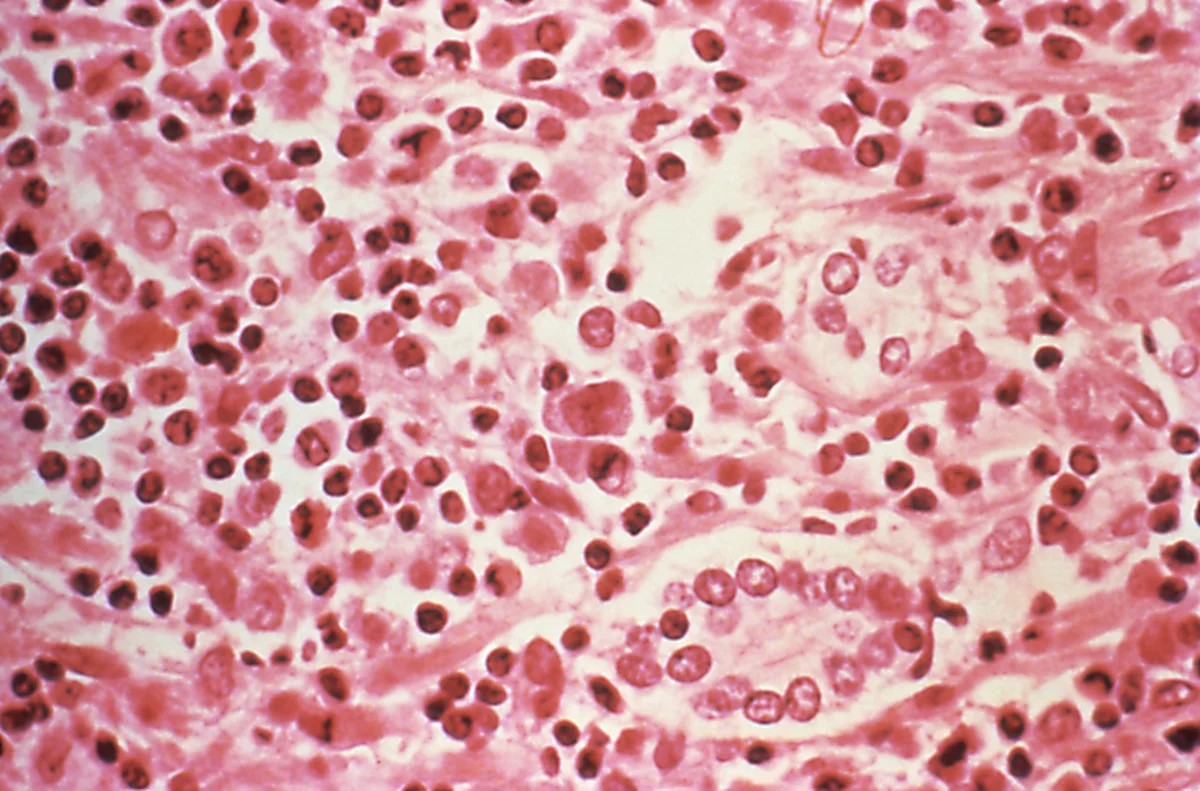
The virus circulates in the blood first. No immune response yet. Just quiet circulation. Eventually it reaches the lungs. It invades the cells lining the blood vessels. It replicates without killing them immediately. No alarm bells.
Then the body wakes up. Too late. Inflammation surges. Fluid builds in the lungs. Breathing becomes hard work.
Mertz notes a key insight from a 2007 Chile study. Researchers checked weekly on household contacts of the infected. They found the virus in the blood. Up to 14 days before symptoms started. A recent study in The Lancet Infectious Diseases confirmed it. The virus hides in blood and saliva. Even at the end stages.
Does that mean you are contagious when you feel fine?
Not necessarily. Pastula is unsure. A PCR test tells you the virus is there. It doesn’t tell you if you can spread it. It just says hello.
This slowness creates a paradox.
A longer incubation usually helps stop person-to-person spread. Officials get a window. They can track contacts. They can lock it down. But travel ruins that window.
I can fly across the world in two days. The virus stays inside for two weeks.
By the time the symptom hits, the carrier is miles away. Contact tracing becomes a nightmare. It requires local robust surveillance. It requires coordination. It requires luck.
We don’t know where this stops. The timeline stretches out. The waiting is the hardest part.