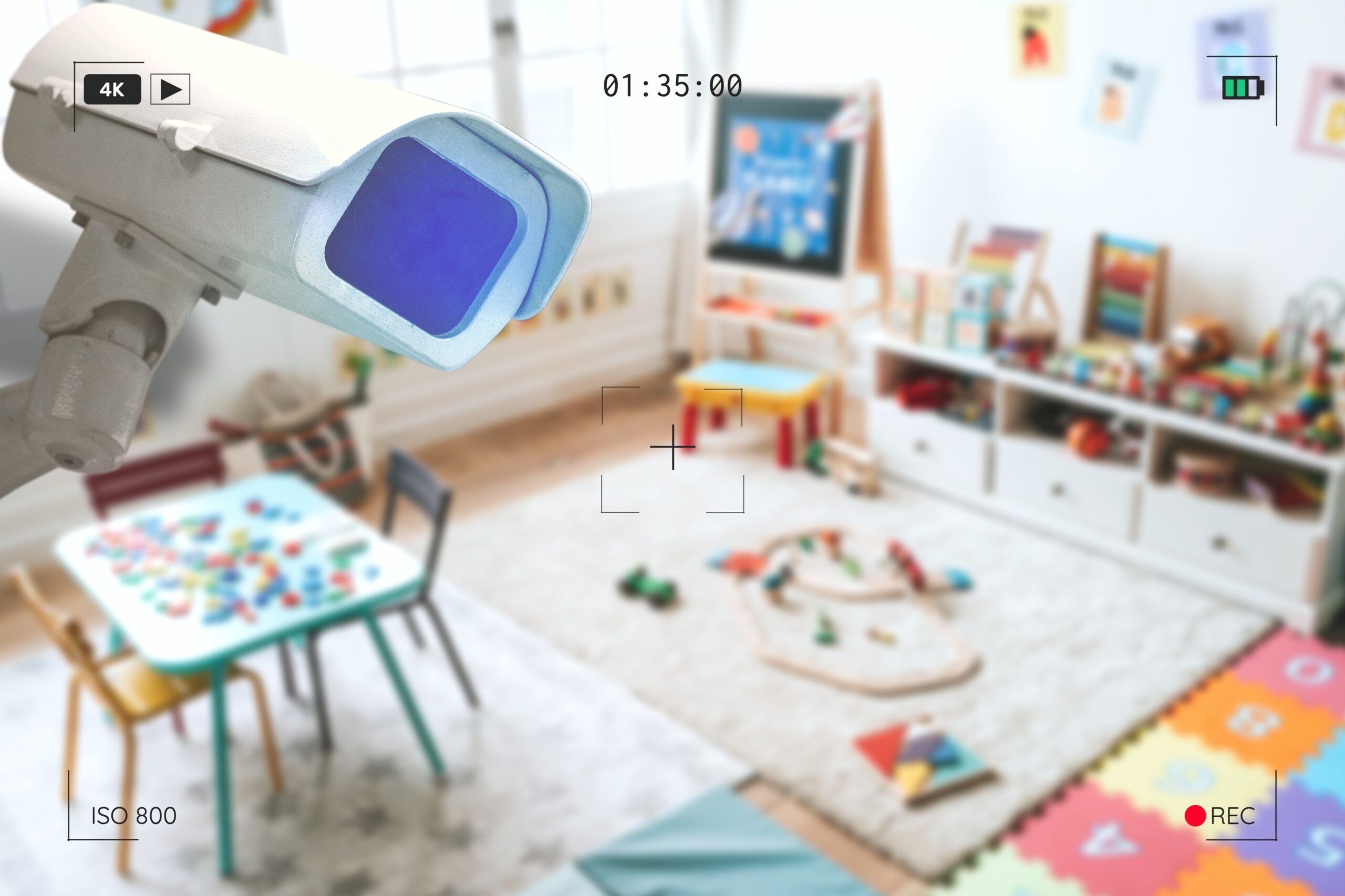
Phones are banned. Tablets are contested. And now the push is on for another gadget: surveillance cameras.
Legislators across five states—Florida, Iowa, Maryland, South Carolina, and Tennessee—are introducing bills to install them. Specifically in self-contained special education classrooms. You know, the rooms where students with significant needs go for their primary instruction.
This isn’t brand new. It’s a decade-long trickle becoming a wave. Louisiana, West Virginia, Georgia, and Alabama already have the laws. Why? To stop the worst behaviors. Physical restraints. Seclusion rooms. In some horrifying cases, actual violence from teachers who have no other tools left.
“It’s usually an impetus,” Lindsay Kubatzky, policy director at the National Center for Learning Disabilities, says. Something breaks. A teacher feels cornered. Legislation follows.
While districts scramble to figure out what tech stays and what goes, parents of kids in special ed often want the lenses. Hard.
“This protects everyone; this is your eyewitness in the room,” Jacqui Luscombe from the Broward County advisory board says. No he-said, she-said.
But wait. Privacy. It’s the other side of the coin. Critics argue it brands an already marginalized group as dangerous. It turns a classroom into a cage.
The Legal Patchwork
Texas started this in 2015. Others followed. Now, cost is dropping, apps are getting smarter, and the cameras are becoming harder to resist.
Take Broward County. They piloted a program starting in 2021 that let parents request a cam in special ed rooms. By 2024? Parents loved it.
“Let’s have cameras,” Luscombe heard. Again and again. Empowering? For some. Maybe. The board went permanent. Eighty rooms now have them.
Florida lawmakers tried to go statewide. Failed in the Senate committee. Stalled.
Elsewhere? Chaos.
Tennessee wants majority parent consent. Maryland, South Carolina, Iowa want cameras in all special ed classrooms. No questions asked. Louisiana expanded its rules—no longer just a parent request. Now it’s mandatory. West Virginia? Mandatory. Texas? Request only. Georgia? Let the school decide. Alabama? Only if the class is over half special ed students.
Some laws, like Louisiana’s recent update, ban restraints and seclusion entirely. Broward County? Doesn’t ban them yet, though teachers get de-escalation training. Luscombe admits that isn’t enough.
“We need to stop shoving kids into rooms,” she says. Stop treating education as a survival exercise.
Then comes the data problem. Who watches the tapes? Some states include the minutes before and after an incident. Some only let administrators watch. Not the parents. All this tangles up with FERPA (Family Educational Rights and Privacy Act). The federal shield for student records. Most states cite it. South Carolina does not.
Advocacy groups? They’re torn. Mixed feelings.
TASH, a big Nashville group, hated the idea when Texas passed its law in 2015
Video surveillance becomes an “easy substitute for… cultivating schoolwide inclusion,” they argued. A distraction. A box to check.
A Red Herring?
Do the cameras actually help?
There is zero data to say they stop the violence. Not in Broward. Not in Texas. Anywhere.
But there is another fear. Teachers won’t come. The special ed teacher shortage is a crisis right now. 45 states are empty. Will mandatory surveillance push more away?
Jacquelie Rodriguez, head of the National Center on Learning Disabilities, says stop whining.
“The leaky bucket isn’t because of a camera,” she says. People are leaving the profession for reasons way deeper than a lens on the wall. She calls cameras a “red herring.”
A Band-Aid for a broken system. A way for districts to check a box without doing the hard work.
“We should be training teachers better,” Rodriguez insists. “Not just watching them.”
Because a camera records a punch. It doesn’t stop it.
What do we actually need here? More eyes on the kids or fewer reasons for them to fight back?
It’s still loud in those rooms. The tapes are rolling.