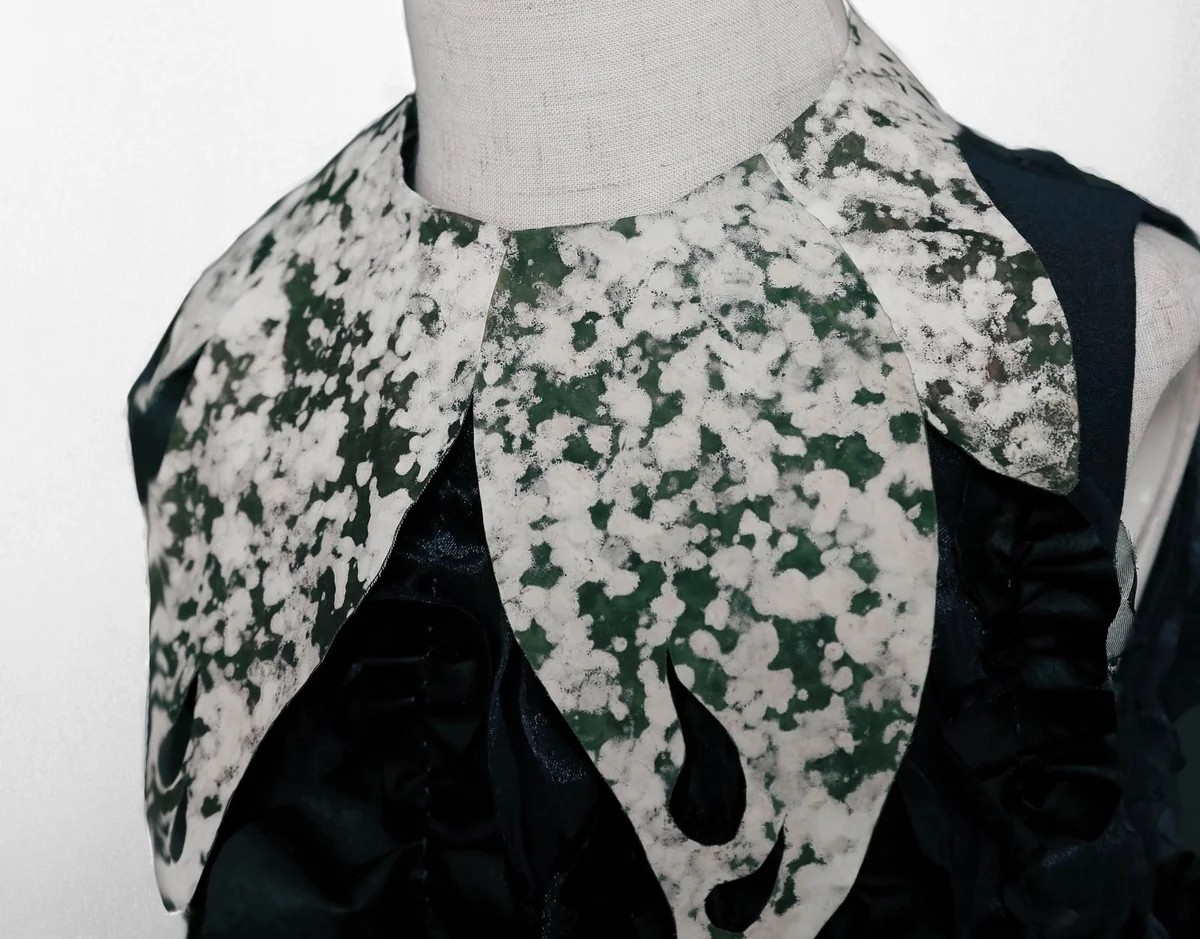
Imagine clothes that don’t just sit in your closet. They breathe. They grow. They might even protect you from the sun without any synthetic additives.
Researchers have developed a living textile made from fungi. It stays alive after manufacturing. This isn’t dead mushroom leather. This is a material that can repair itself.
How Is Living Mycelium Fabric Different From Traditional Bio-Materials?
We’ve seen mycelium before. It’s the root-like network of a fungus. Designers use it for packaging, insulation, and even vegan leather substitutes. But those products are processed. They’re dead. Once shaped, they’re static.
This new approach changes the rules.
Bolin An, a research professor at the Chinese academy of sciences, wanted to know something specific. Could a mycelium material stay alive and flexible? Most fungal materials become rigid or brittle once processed.
The team at the Chinese Academy of Sciences grew dense mats of mycelium. These natural filaments intertwine into sheets on their own. No weaving machines needed.
Then came the trick. They soaked the mats in glycerol. Think of it as a syrupy plasticizer. It keeps the fungus soft. It keeps it alive. The result? A supple, living fabric.
“We wanted to ask whether a mycelium材料 could remain alive and programmable while still acting as a freestanding flexible textile,” says An.
Why Use Alive Organisms For Clothing Or Packaging?
You might ask why bother. Why not just stick with cotton or polyester? Or even dead mushroom leather?
Alexander Bismarck and Mitchell Jones from the University of Vienna offer a skeptical take. They weren’t involved in the study, but their perspective is fair. Just because we can keep the fungus alive doesn’t mean it’s better. Is it safer? Is it preferable to existing options?
The answer depends on what you want the fabric to do.
This living material can change its function after it’s made.
- Self-Repair: Feed it nutrients, and it sprouts a fuzzy new layer of filaments. Damage happens? The surface renews itself.
- Dynamic Coloring: Embed engineered yeast, and the fabric produces pigments. You get patterns without dyeing vats.
- UV Protection: Add a specific fungus that creates melanin. The textile blocks ultraviolet light naturally.
Bismarck and Jones note that the individual parts are known. The yeast is common. The mycelium is common. The novelty is putting them together in a single living platform.
Where Does Living Textile Technology Fit In Fashion And Design?
Let’s be real. You won’t see this on runways tomorrow.
Clothing made from living organisms requires careful storage. Contamination is a risk. If you don’t keep the conditions right, mold you don’t want takes over.
There’s also the lifespan issue.
The fabric biodegrades almost completely within six weeks. A winter coat? Bad idea. You’d need a new one every month.
But for disposable packaging? Maybe. Temporary structures? Definitely.
An envisions a living curtain. One that provides passive UV shielding. Maybe one that cleans its own surface. In the future? It could sense environmental changes or purify the air.
The fashion industry wastes billions. Not just because of materials. It’s the business models. The fast fashion habits. Switching to living fabric won’t fix consumer behavior. It won’t stop the churn of trends.
It is, however, technically impressive. It is visually striking.
Is it practical? Not yet. But it proves we don’t have to choose between inert materials and dead organisms. We can have both. Alive and useful.
For now, it’s a lab experiment. A proof of concept.
Will we wear our dinner one day? Probably not. But we might hang a curtain that protects our skin and eats the smog.